Upgrading from TTL to RS485 laser rangefinders improves communication distance, noise immunity, and industrial reliability. RS485 supports long cable runs, multi-device networking, and seamless PLC integration.
To upgrade from a TTL to an RS485 telemetro laser in industrial systems:
- Choose an RS485-native laser sensor
- Confirm Modbus RTU or protocol compatibility
- Use shielded twisted-pair RS485 wiring
- Add 120Ω termination resistors
- Integrate the sensor with a PLC or industrial controller
As industrial automation systems scale up, many engineers find that TTL-based laser rangefinders, while simple and cost-effective, start to hit their limits. Longer cable runs, electromagnetic interference (EMI), unstable data transmission, and multi-device networking requirements often push systems beyond what TTL can reliably handle.
This is where RS485 laser rangefinders come in.
In this article, we’ll explain when and why to upgrade from TTL to RS485, the key technical differences, and how to implement the upgrade smoothly in real-world industrial systems.
1. TTL vs RS485: A Quick Technical Comparison
| Caratteristica | TTL Laser Rangefinder | RS485 Laser Rangefinder |
|---|
| Signal Type | Single-ended | Differential |
| Communication Distance | < 1 m (typical) | Up to 1200 m |
| Noise Immunity | Basso | High (industrial-grade) |
| Multi-device Bus | Not supported | Supported (multi-drop) |
| Industrial Suitability | Limited | Excellent |
| Typical Applications | Arduino, ESP32, lab testing | PLC, AGV, factory automation |
Key takeaway:
TTL is ideal for short-distance, embedded development, while RS485 is designed for long-distance, noisy, multi-node industrial environments.
2. When Does a TTL Laser Rangefinder Become a Bottleneck?
You should consider upgrading to RS485 if you encounter any of the following:
- ❌ Unstable distance readings due to EMI
- ❌ Cable length exceeds 1–2 meters
- ❌ Need to connect sensors to a PLC or industrial controller
- ❌ Multiple sensors must share the same communication bus
- ❌ System operates near motors, VFDs, or high-voltage equipment
These are common scenarios in:
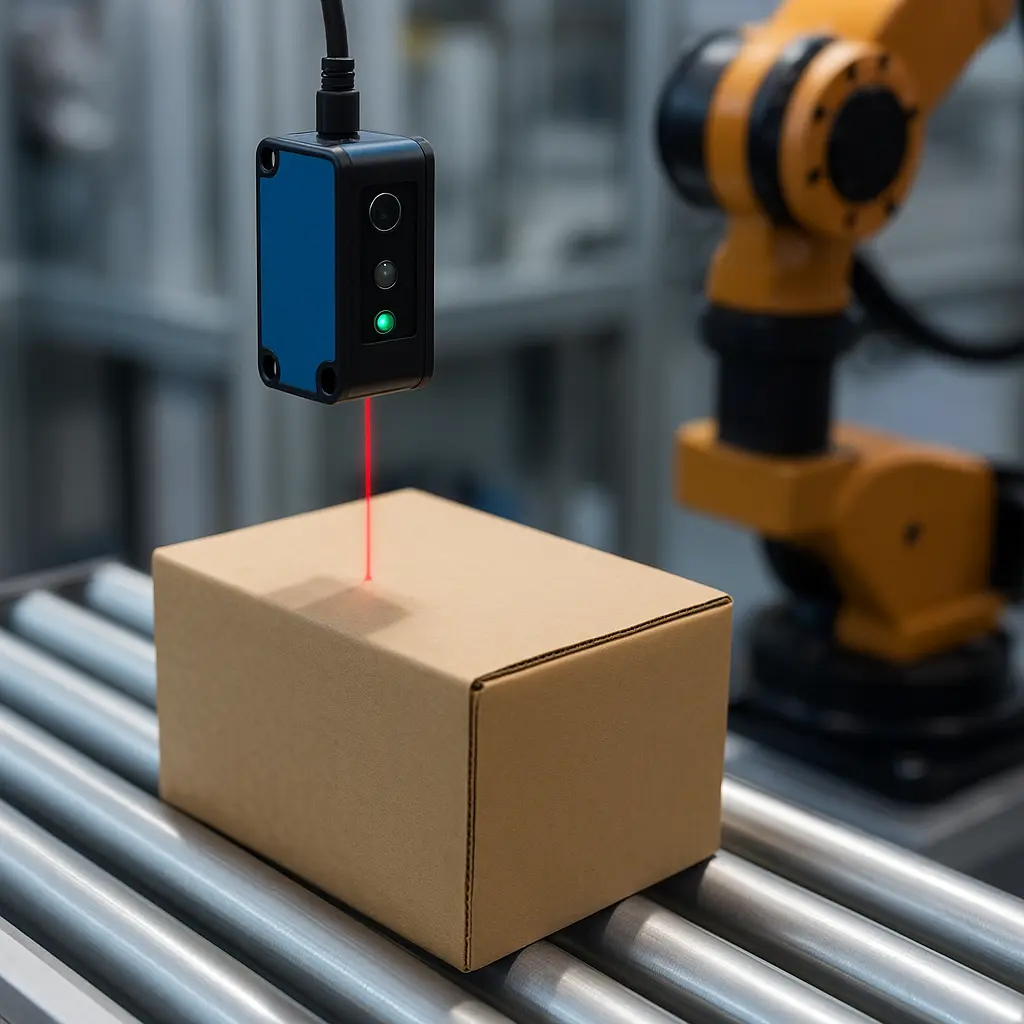
- Automated production lines
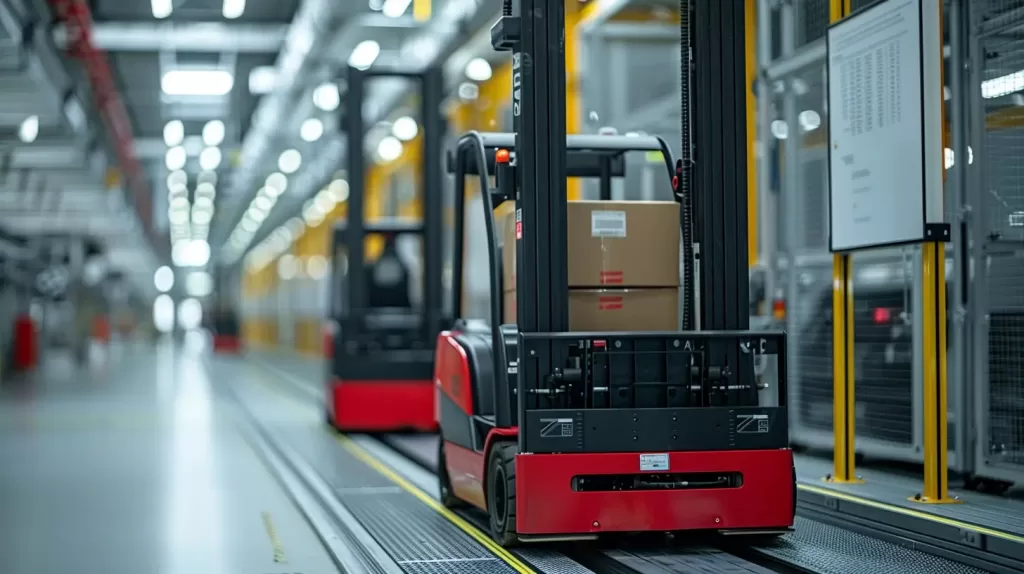
- AGVs and AMRs
- Warehouse and logistica systems
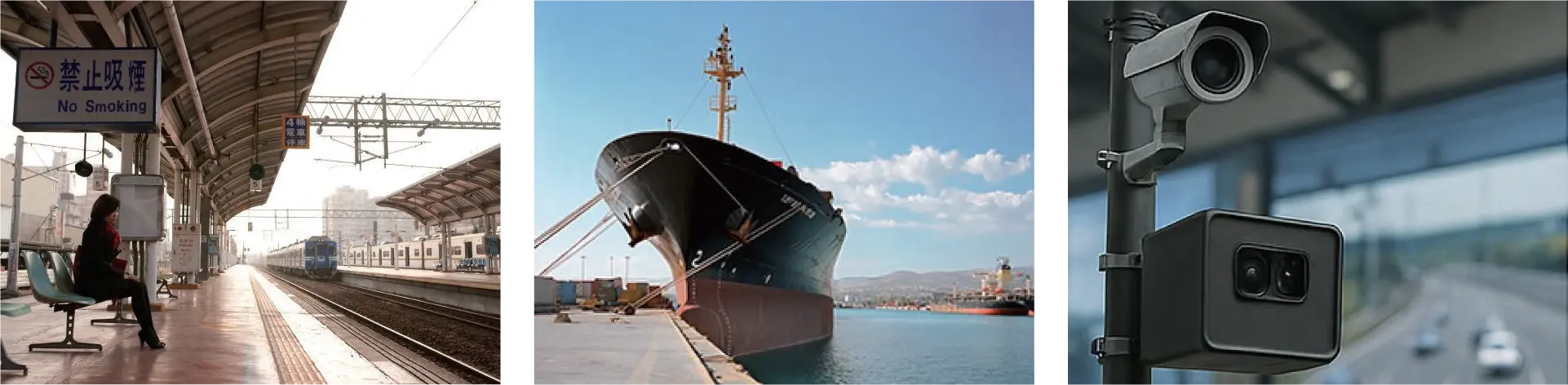
- Smart transportation and traffic monitoring
3. Why RS485 Is the Industrial Standard for Laser Rangefinders
3.1 Differential Signaling = Noise Resistance
RS485 uses A/B differential signals, allowing the receiver to reject common-mode noise—critical in factories with strong electromagnetic interference.
3.2 Long-Distance Communication
RS485 supports cable lengths up to 1200 meters, making it ideal for:
- Sistemi di trasporto
- Large machinery
- Distributed sensing networks
3.3 Multi-Device Networking
A single RS485 bus can connect up to 32 devices (or more with repeaters), reducing wiring complexity and cost.
4. System Architecture: TTL vs RS485
TTL-Based System
Laser Sensor (TTL) → MCU (UART RX/TX)
RS485-Based Industrial System
Laser Sensor (RS485)
        ↓
RS485 Bus (A/B)
        ↓
PLC / Industrial PC / Gateway
This architecture allows for:
- Centralized data acquisition
- Easier system expansion
- Improved reliability
In industrial environments, seeing a laser rangefinder working demo can help engineers better understand communication stability and real-world performance.
5. Practical Upgrade Path: From TTL to RS485
Option 1: Use an RS485 Interface Version of the Sensor (Recommended)
Many industrial laser rangefinders are available in RS485-native versions, supporting:
- Modbus RTU
- Custom ASCII or binary protocols
✅ Best for new designs or system upgrades
✅ Highest stability and lowest integration risk
Option 2: Add a TTL-to-RS485 Converter
If replacing the sensor is not feasible:
Hardware required:
- TTL-to-RS485 converter (e.g., MAX485-based)
- Proper termination resistors (120Ω)
- Shielded twisted-pair cable
Limitazioni:
- Additional failure points
- Still constrained by TTL sensor stability
- Not ideal for harsh environments
6. Communication Protocol Considerations
Most RS485 laser rangefinders support Modbus RTU, which offers:
- Standardized registers
- Easy PLC integration
- Broad software compatibility
Typical parameters:
- Baud rate: 9600–115200
- Data bits: 8
- Parity: None / Even
- Stop bits: 1
📌 Tip: Always confirm protocol documentation and register mapping before deployment.
7. Power Supply and Wiring Best Practices
When upgrading, ensure:
- Stable industrial power supply (12–24V DC)
- Common ground reference
- Shielded cables with grounding at one end
- Correct termination resistors at bus ends
Poor wiring can negate the benefits of RS485—even with high-quality sensors.
8. Application Examples
AGV Obstacle Detection
- TTL: Unstable data near motors
- RS485: Reliable long-range distance feedback to PLC
Smart Traffic Systems
- Multiple sensors on one RS485 bus
- Centralized control cabinet
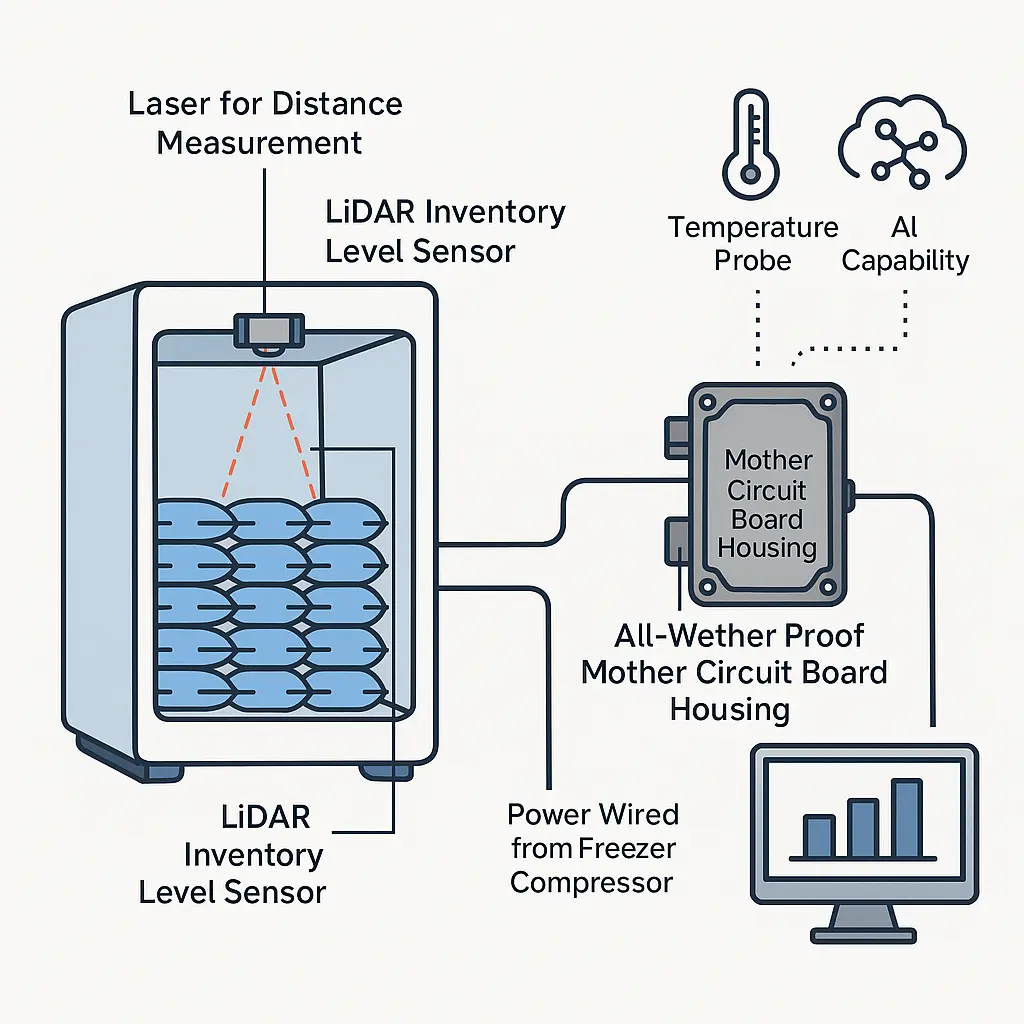
Industrial Level Measurement
- Long cable runs
- Continuous, noise-resistant operation
9. Choosing the Right RS485 Laser Rangefinder
When selecting a sensor, consider:
- Measurement range & accuracy
- Output frequency
- Protocol support (Modbus RTU preferred)
- Operating temperature
- IP rating
- Mounting options
👉 Industrial-grade RS485 laser distance sensors are designed specifically for these requirements and integrate seamlessly into PLC-based systems.
10. Conclusion: TTL Is for Prototyping, RS485 Is for Production
Upgrading from TTL to RS485 is not just a communication change—it’s a system-level reliability upgrade.
- TTL → best for development and short-distance tests
- RS485 → essential for industrial deployment
If your system is moving from prototype to production, RS485 laser rangefinders are the natural next step.
Frequently Asked Questions: TTL vs RS485 Laser Rangefinders
-
What is the difference between TTL and RS485 laser rangefinders?
TTL laser rangefinders use single-ended UART signals and are designed for short-distance communication, typically within one meter. RS485 laser rangefinders use differential signaling, which allows much longer communication distances, higher noise immunity, and reliable operation in industrial environments.
-
When should I upgrade from a TTL to an RS485 laser rangefinder?
You should upgrade from a TTL to an RS485 laser rangefinder when your system requires longer cable runs, stable communication in electrically noisy environments, PLC integration, or when multiple sensors need to communicate on the same bus.
-
Why is RS485 better than TTL for industrial laser distance measurement?
RS485 is better suited for industrial distanza laser measurement because it supports long-distance communication, resists electromagnetic interference, and allows multiple devices to operate reliably on a single communication bus. These features make RS485 ideal for factory automation, AGVs, and industrial control systems.
-
Can a TTL laser rangefinder be converted to RS485?
Yes, a TTL laser rangefinder can be converted to RS485 using a TTL-to-RS485 converter. However, for industrial applications, using a native RS485 laser rangefinder is recommended, as it offers higher stability, fewer failure points, and better long-term reliability.
-
Do RS485 laser rangefinders support PLC communication?
Most RS485 laser rangefinders support PLC communication through standard industrial protocols such as Modbus RTU. This makes them easy to integrate with PLCs, industrial PCs, and other automation controllers.
-
What communication distance can RS485 laser rangefinders achieve?
RS485 laser rangefinders can achieve communication distances of up to 1200 meters under proper wiring, shielding, and termination conditions. This is significantly longer than what is possible with TTL-based communication.