Non-Contact Distance Sensor for Sports Height Measurement Systems
Accurately measuring how high an athlete reaches or jumps is essential in sports training, physical education, and performance evaluation. Traditional mechanical touch boards and contact-based systems often lack accuracy, durability, and 디지털 integration.
A non-contact 거리 센서 offers a modern solution by measuring height without physical contact. Using 광학 거리 측정 technology, the system can detect an athlete’s maximum reach point and display the result instantly on an LCD screen.
This article explains how non-contact distance sensors are used in vertical jump 높이 측정 systems and what to consider when selecting the right sensor for this application.
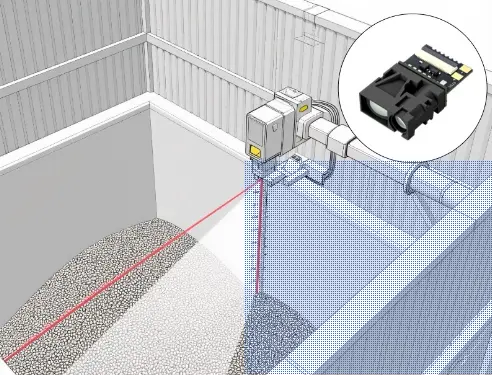
In practical sports training systems, this type of non-contact height measurement is typically implemented using a compact optical distance sensor designed for fast and accurate measurements.
Application Scenario: Vertical Jump and Reach Measurement
In a typical setup, a non-contact distance sensor is mounted above or in front of the athlete. As the athlete jumps and reaches upward, the sensor continuously measures the distance to the hand or touch surface.
When the athlete reaches the highest point, the system records the minimum measured distance and converts it into height data. The final result is displayed on an LCD screen immediately after the jump.
This type of height measurement system is commonly used in:
- Sports training centers
- Schools and universities
- Fitness testing facilities
- Custom sports equipment projects
Why Use a Non-Contact Distance Sensor?
Non-contact distance sensors provide several advantages over traditional contact-based systems:
- No physical wear – no moving parts or touch elements
- 더 높음 측정 정확도 – consistent and repeatable results
- 빠른 응답 시간 – suitable for dynamic movements like jumping
- Easy digital integration – compatible with controllers and displays
Because the measurement is optical and contact-free, the system remains reliable even after repeated use.
System Architecture Overview
A vertical jump height measurement system based on a non-contact distance sensor typically includes:
- Optical distance sensor
- Microcontroller or embedded controller
- LCD display
- Power supply
- Mechanical mounting structure
The sensor continuously outputs distance data. The controller calculates the height difference between the baseline and the peak reach position, then sends the result to the LCD for display.
Key Sensor Requirements for Height Measurement
Choosing the right non-contact distance sensor is critical for accurate performance.
측정 범위
The sensor must cover the full distance from the mounting position to the athlete’s maximum reach height.
Accuracy and Resolution
Millimeter-level resolution ensures reliable differentiation between multiple jumps.
응답 속도
Fast sampling rates are essential to capture the peak reach during short jump durations.
출력 인터페이스
Digital outputs such as UART, TTL, or RS485 allow easy integration with 마이크로 컨트롤러 and LCD modules.
Ambient Light Resistance
Indoor sports environments often have strong lighting, so the sensor must perform reliably under varying light conditions.
Displaying Height Data on an LCD
Distance data from the non-contact distance sensor is processed in real time and displayed on an LCD screen. Typical display information includes:
- Maximum reach height
- Jump height relative to baseline
- Measurement units (mm or cm)
Instant visual feedback improves training efficiency and user engagement.
Expandability and Future Upgrades
Once a non-contact distance sensor is integrated, the system can be expanded to support:
- Data logging and performance tracking
- Wireless communication
- Athlete profile management
- Integration with training software
This makes non-contact height measurement systems suitable not only for training but also for commercial sports equipment and OEM solutions.
Sensor Technology Considerations
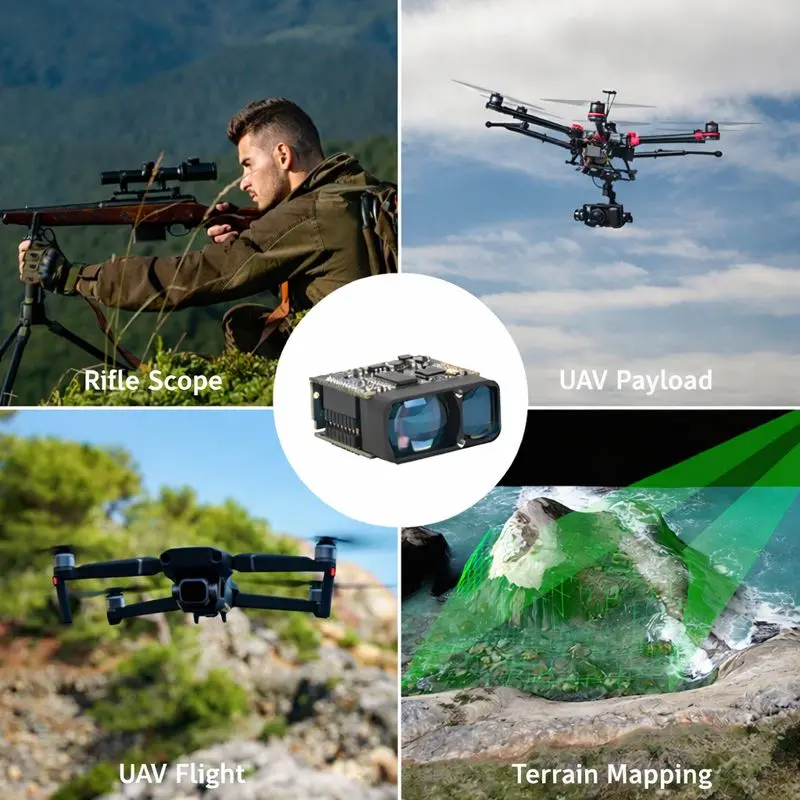
Most non-contact distance sensors used in sports applications are based on optical distance measurement, often implemented using laser-based technology. Compared with ultrasonic alternatives, optical sensors provide higher accuracy and faster response.
For applications requiring precise, repeatable height measurement, optical non-contact sensors are generally preferred.

결론
A non-contact distance sensor provides a reliable, accurate, and scalable solution for vertical jump and reach height measurement. By eliminating physical contact and using optical distance measurement, the system delivers consistent results suitable for sports training and performance evaluation.
This approach can be adapted to a wide range of human motion and height measurement applications beyond sports environments.
For engineers or developers looking to implement this solution, you may explore our non-contact distance sensor models designed for accurate height measurement and system integration.
Frequently Asked Questions – Non-Contact Distance Sensor for Height Measurement
What is a non-contact distance sensor used for in sports training?
A non-contact distance sensor is used to measure an athlete’s reach or jump height without physical contact by detecting distance changes using optical sensing technology.
Why is non-contact measurement important for vertical jump systems?
Non-contact measurement eliminates mechanical wear, improves accuracy, and ensures consistent results during repeated jump tests.
How accurate is a non-contact distance sensor for height measurement?
High-quality non-contact distance sensors can achieve millimeter-level accuracy, making them suitable for precise sports performance measurement.
Can non-contact distance sensors measure fast movements like jumping?
Yes, non-contact distance sensors with fast sampling rates can capture rapid movements and reliably detect the highest reach point during a jump.
What type of sensor technology is commonly used for non-contact height measurement?
Most non-contact height measurement systems use 광학 거리 센서, often based on 레이저 측정 technology, for high accuracy and fast response.
Is a non-contact distance sensor safe for human-centered applications?
Yes, sensors used for sports and training applications typically comply with laser safety standards and are safe for use around people.
How is the height measurement displayed to the user?
The measured distance data is processed by a controller and displayed on an LCD screen in real time after each jump.
Can non-contact distance sensors be integrated with microcontrollers?
Yes, non-contact distance sensors are commonly integrated with 아두이노, ESP32, and other microcontrollers for height measurement systems.
Are non-contact distance sensors affected by indoor lighting conditions?
Quality optical distance sensors are designed to operate reliably under varying indoor lighting conditions found in sports halls and gyms.
Who typically uses non-contact height measurement systems?
These systems are used by sports training centers, schools, fitness facilities, research institutions, and sports equipment manufacturers.