شرح مستشعرات المسافة I2C: أفضل خيار لأردوينو و Raspberry Pi؟
قياس المسافة is essential in many modern electronics projects, from robot الملاحة و تجنب العوائق إلى الأتمتة الصناعية والأجهزة الذكية.
للمطورين الذين يعملون مع أردوينو أو Raspberry Pi، فإن اختيار واجهة الاتصال المناسبة لا يقل أهمية عن اختيار المستشعر نفسه.
من بين الواجهات المتاحة, مستشعرات المسافة I2C أصبحت أحد الخيارات الأكثر شيوعاً لأنها توفّر
- أسلاك بسيطة
- اتصالات رقمية موثوقة
- التوافق مع العديد من المتحكمات الدقيقة
- سهولة التكامل مع الأنظمة المدمجة
في هذا الدليل، سنشرح في هذا الدليل كيفية عمل مستشعرات المسافة I2C، ومقارنتها مع واجهات المستشعرات الأخرى، واستكشاف سبب كونها الخيار الأفضل لمشاريع Arduino و Raspberry Pi.
ما هو مستشعر المسافة I2C؟
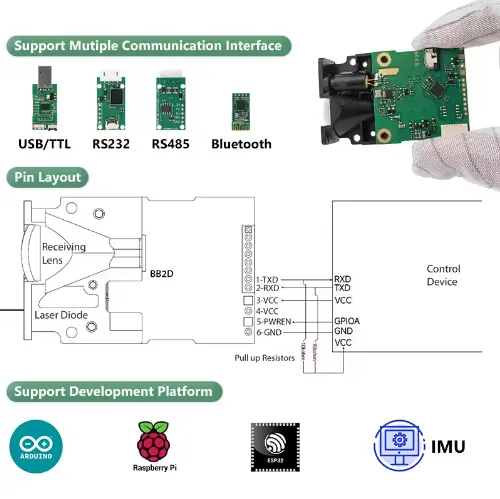
I2C مستشعر المسافة هو قياس عدم التلامس مستشعر يتواصل مع متحكم دقيق باستخدام بروتوكول I2C (الدائرة المتكاملة).
بدلاً من إخراج التناظرية إشارات الجهد أو النبض، يرسل المستشعر بيانات المسافة الرقمية عبر ناقل I2C.
تشمل المكونات النموذجية ما يلي:
- باعث الليزر أو مصدر الأشعة تحت الحمراء
- مستقبل ضوئي
- شريحة معالجة الإشارات
- واجهة اتصال I2C
تقيس هذه المستشعرات المسافة إلى جسم ما وتنقل القيمة مباشرةً إلى وحدة التحكم.
تشمل التقنيات الشائعة المستخدمة في مستشعرات المسافة I2C ما يلي:
نظرًا لأن البيانات رقمية بالفعل، يمكن لوحدة التحكم الدقيقة قراءة قيم دقيقة للمسافة دون معالجة تناظرية معقدة.
لماذا تُعد مستشعرات I2C مثالية لأردوينو وRaspberry Pi
مقارنة بالتناظرية أو UART المستشعرات، توفر وحدات I2C العديد من المزايا للمطورين المدمجين.
1. الحد الأدنى من الأسلاك
يتطلب I2C خطي اتصال فقط:
- SDA (بيانات)
- SCL (ساعة SCL)
بالإضافة إلى الطاقة والتأريض، هذا يجعل الأسلاك بسيطة للغاية.
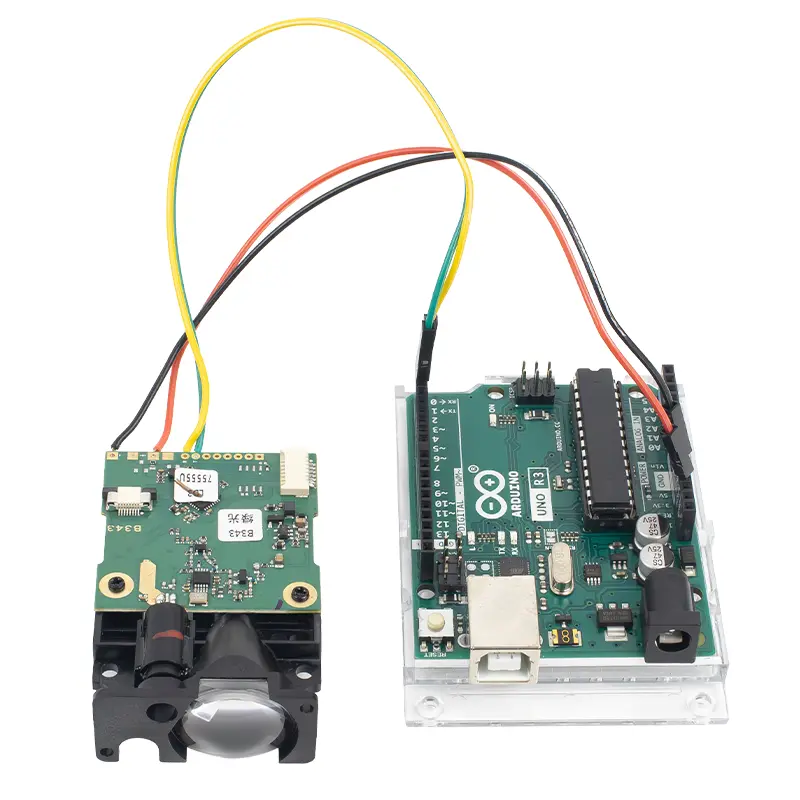
توصيل Arduino نموذجي:
المستشعر SDA → Arduino SDA
المستشعر SCL → Arduino SCL
المستشعر VCC → 5 فولت أو 3.3 فولت
GND للمستشعر → GND
بالنسبة إلى Raspberry Pi، يكون التوصيل مشابهًا باستخدام دبابيس I2C GPIO.
2. أجهزة استشعار متعددة على ناقل واحد
إحدى أكبر مزايا I2C هي عنونة الجهاز.
يمكن أن تشترك عدة مستشعرات في نفس الناقل.
مثال على النظام:
- مستشعر المسافة
- مستشعر درجة الحرارة
- مقياس التسارع
- شاشة OLED
كلها متصلة باستخدام سلكي اتصال فقط.
هذا مفيد للغاية لـ
3. الدقة الرقمية
على عكس مستشعرات المسافة التناظرية, ، تخرج مستشعرات I2C قياسات رقمية معالجة، مما يقلل من الضوضاء ويحسن الموثوقية.
هذا الأمر مهم بشكل خاص لـ
- الأتمتة الصناعية
- الروبوتات الدقيقة
- تطبيقات القياس
أنواع مستشعرات المسافة I2C
تُستخدم تقنيات قياس مختلفة حسب متطلبات النطاق والدقة.
1. مستشعرات وقت التحليق (ToF) I2C
مستشعرات الترددات فوق البنفسجية قياس الزمن الذي يستغرقه الضوء المنبعث للانعكاس عن جسم ما.
المزايا:
- مدمجة
- قياس سريع
- دقة جيدة على مسافات قصيرة
التطبيقات النموذجية:
- العائق الكشف
- الأجهزة الذكية
- الروبوتات
2. مستشعرات تحديد المدى بالليزر
تستخدم وحدات جهاز تحديد المدى بالليزر ليزر نابض وتقيس التأخير الزمني للإشارة المنعكسة.
المزايا:
- نطاق قياس أطول
- دقة أعلى
- مناسبة للاستخدام الخارجي
الاستخدامات الشائعة:
- قياس ارتفاع الطائرة بدون طيار
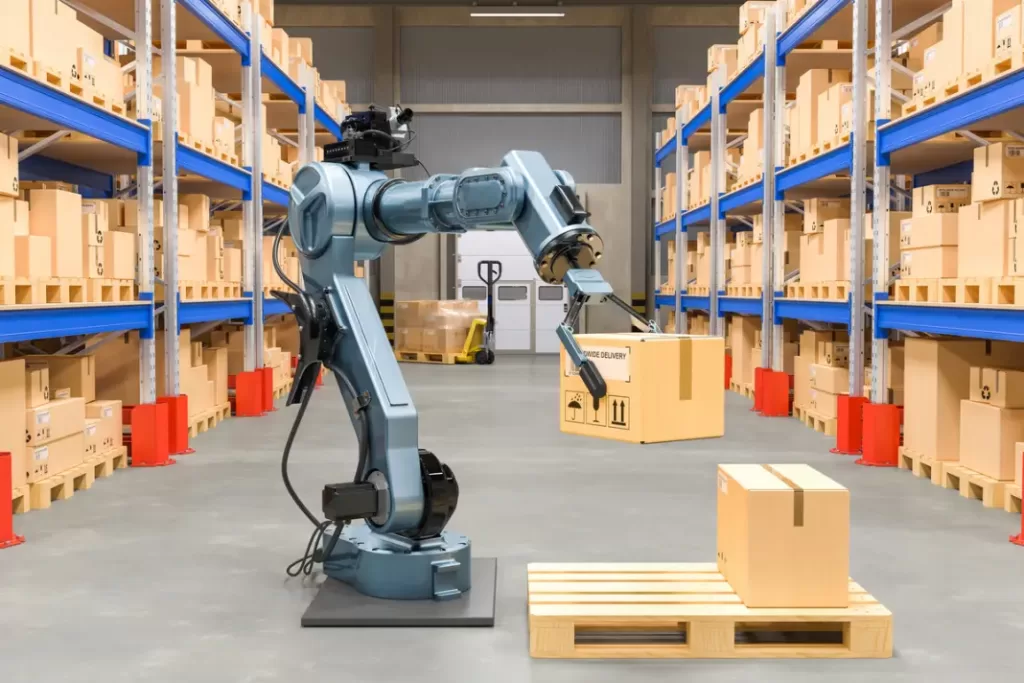
- أتمتة المستودعات
- التمركز الصناعي
3. أجهزة الاستشعار البصرية الصناعية
تجمع المستشعرات الصناعية بين بصريات الليزر وواجهات الاتصال الرقمية مثل I2C أو RS485.
تم تصميمها من أجل:
- البيئات القاسية
- الكشف بعيد المدى
- ثبات عالٍ
مثال على كود Arduino لمستشعر المسافة I2C
قد يبدو مثال بسيط من Arduino باستخدام مكتبة Wire هكذا:
#P5Tinclude #P5Tdefine SENSOR_ADDR 0x62void setup() {
  Wire.begin();
  Serial.begin(9600);
}تكرار باطل() { {
  Wire.startTransmission(SENSOR_ADDR);
  Wire.write(0x00);
  Wire.endTransmission()؛ Wire.requestFrom(SENSOR_ADDR, 2)؛ إذا (Wire.available())) {
    int المسافة = Wire.read() << << 8 | Wire.read();
    Serial.println(المسافة);
  } تأخير(100);
}
يقرأ هذا الرمز قيمة المسافة مباشرةً من المستشعر عبر ناقل I2C.
تطبيقات مستشعرات المسافة I2C
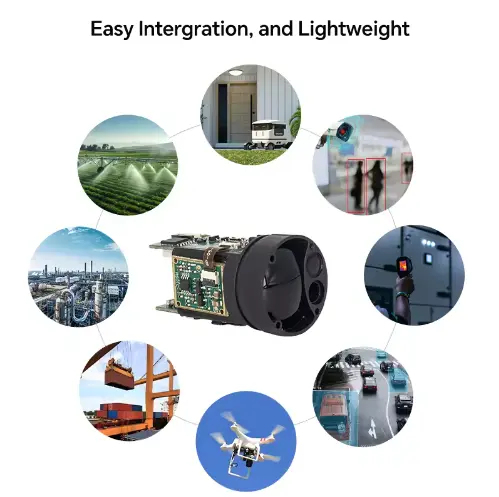
تُستخدم مستشعرات المسافة I2C على نطاق واسع في كل من مشاريع DIY والأنظمة الصناعية.
الروبوتات
تجنب العقبات والملاحة.
الأجهزة الذكية
واجهات لا تعمل باللمس واكتشاف الإيماءات.
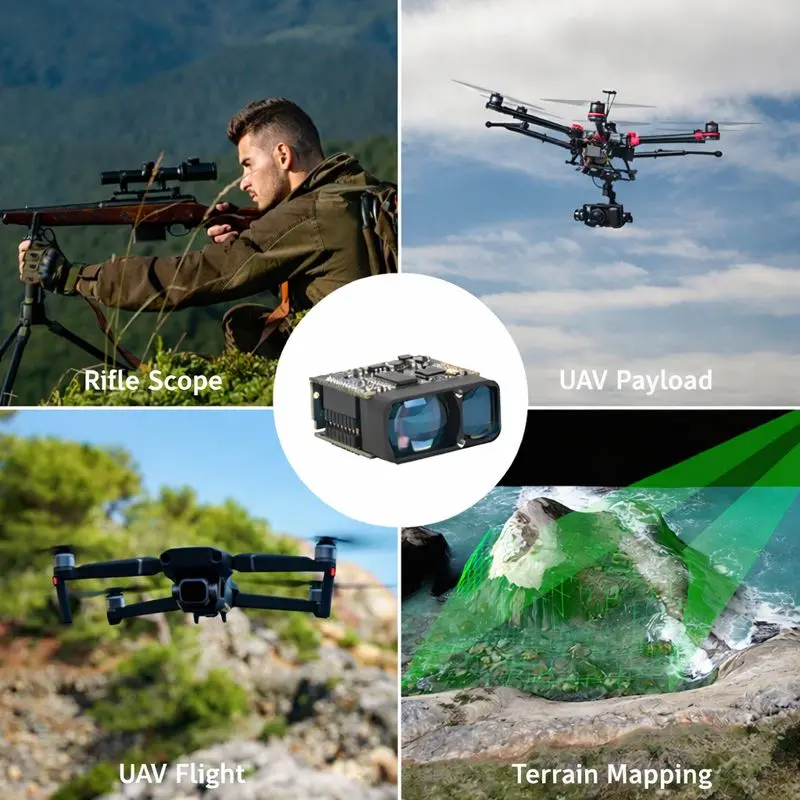
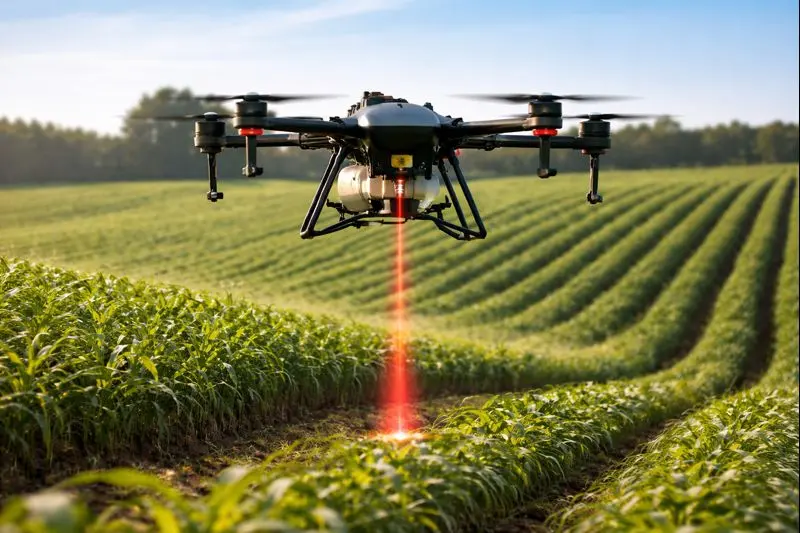
الطائرات بدون طيار والطائرات بدون طيار
قياس الارتفاع والمساعدة في الهبوط على الارتفاع.
الأتمتة الصناعية
تحديد موقع الكائن ومراقبة المسافة.
الزراعة الذكية
مراقبة مستوى الحبوب وأتمتة التخزين.
اختيار أفضل مستشعر المسافة I2C
عندما اختيار جهاز استشعار, ، ضع في اعتبارك العوامل التالية:
| العامل | ما أهمية ذلك |
|---|
| نطاق القياس | التطبيقات قصيرة المدى مقابل التطبيقات طويلة المدى |
| الدقة | دقة القياس المطلوبة |
| توافق الواجهة | دعم Arduino / Raspberry Pi |
| معدل أخذ العينات | احتياجات القياس في الوقت الحقيقي |
| البيئة | الظروف الداخلية مقابل الظروف الخارجية |
على سبيل المثال:
- مشاريع الروبوتات قد تحتاج فقط إلى نطاق 2-4 أمتار
- الأتمتة الصناعية قد يتطلب 10-100 م
وحدات استشعار المسافة بالليزر الموصى بها
للتطبيقات التي تتطلب نطاقات قياس أطول ودقة أعلى, مسافة الليزر يمكن أن تكون الوحدات ذات الواجهات الرقمية خياراً أفضل.
على سبيل المثال، مضغوطة مستشعر المسافة بالليزر يمكن أن توفر الوحدات:
- دقة على مستوى المليمتر
- قياس مستقر
- سهولة التكامل مع الأنظمة المدمجة
يمكنك استكشاف المزيد من الخيارات هنا:
➡ وحدات استشعار المسافة بالليزر
تُستخدم هذه الوحدات على نطاق واسع في:
I2C مقابل UART مقابل مستشعرات المسافة التناظرية
| الواجهة | الإيجابيات | السلبيات |
|---|
| I2C | أسلاك بسيطة، أجهزة متعددة | طول الكابل المحدود |
| UART | التواصل المستقر | جهاز واحد فقط لكل منفذ |
| التناظرية | الإخراج البسيط | حساس للضوضاء |
بالنسبة إلى Arduino و Raspberry Pi، عادةً ما يكون I2C هو الواجهة الأكثر ملاءمة.
الخاتمة
توفر مستشعرات المسافة I2C مزيجًا قويًا من التكامل البسيط والاتصال الموثوق والقياسات الرقمية الدقيقة.
بالنسبة للمطوّرين الذين يعملون مع Arduino أو Raspberry Pi، فهي توفر طريقة فعالة لبناء المشاريع التي تتضمن:
- الروبوتات
- أنظمة إنترنت الأشياء
- الأجهزة الذكية
- معدات التشغيل الآلي
من خلال اختيار تقنية القياس الصحيحة ونطاق الاستشعار المناسب، يمكن للمهندسين بناء أنظمة دقيقة وسهلة التنفيذ.
الأسئلة الشائعة
ما هو مستشعر المسافة I2C؟
جهاز استشعار المسافة I2C هو جهاز قياس المسافة غير قابل للتلامس يتصل بوحدة تحكم دقيقة من خلال بروتوكول I2C الرقمي، مما يسمح بنقل بيانات المسافة الدقيقة باستخدام سلكي اتصال فقط.
هل يمكن أن تعمل مستشعرات المسافة I2C مع Raspberry Pi؟
نعم. معظم مستشعرات المسافة I2C متوافقة تمامًا مع Raspberry Pi لأن Raspberry Pi يدعم بروتوكول الاتصال I2C من خلال واجهة GPIO الخاصة به.
هل مستشعرات المسافة I2C أفضل من المستشعرات فوق الصوتية؟
في العديد من التطبيقات، توفر المستشعرات الضوئية I2C دقة أعلى واستجابة أسرع واستقرارًا أفضل من المستشعرات فوق الصوتية، خاصةً في الروبوتات المدمجة أو البيئات الداخلية.
ما هو النطاق النموذجي لمستشعر المسافة I2C؟