Analog vs ToF Distance Sensors: Which Technology Fits Your Project?
عند اختيار مستشعر المسافة module, one of the most common comparisons you’ll encounter is analog vs. مستشعرات الترددات البُعديّة. These two types of sensors serve similar purposes — measuring distance — but they differ in underlying technology, accuracy, integration, and use cases.
In this guide, we’ll explore the differences between analog and تو إف distance sensors, their advantages and limitations, and which type is best suited for your application.
1. What Are Analog and ToF Distance Sensors?
Understanding analog vs ToF distance sensors begins with how they work.
مستشعرات المسافة التناظرية
Analog sensors (such as IR or ultrasonic sensors) output a continuous analog voltage signal that corresponds to the detected distance. The farther an object is, the lower or higher the voltage, depending on the sensor design.
- التكنولوجيا: Infrared reflection or ultrasonic echo
- المخرجات: Voltage (e.g., 0–5V)
- حالة الاستخدام: Simple, low-cost proximity الكشف
ToF (Time-of-Flight) Distance Sensors
تو إف أجهزة الاستشعار emit a beam of light (usually laser) and measure the time it takes to reflect back. The result is a precise distance calculation, output as a digital signal via UART, I2C, or other protocols.
- التكنولوجيا: Laser-based time measurement
- المخرجات: Digital (millimeter or centimeter resolution)
- حالة الاستخدام: High-accuracy, real-time distance sensing
2. Analog vs ToF Distance Sensors: Comparison Table
Let’s compare analog vs ToF distance sensors across key technical metrics:
| الميزة | مستشعرات المسافة التناظرية | ToF Distance Sensors |
|---|
| الدقة | Moderate (±5–10%) | High (±1–3%) |
| النطاق | 10–150 cm (varies) | 5 cm – 4000+ cm |
| نوع الإخراج | Analog voltage | Digital (UART/I2C) |
| المقاومة البيئية | Affected by light/noise | More stable in varying light |
| التكلفة | منخفضة | Moderate to High |
| Setup Complexity | Very easy | Requires protocol setup |
| أفضل حالة استخدام | Basic projects | Industrial/robotics/drones |
As shown above, analog vs ToF distance sensors differ dramatically in performance and integration requirements.
3. Typical Applications
When to Use Analog Sensors
- Entry-level electronics and STEM education
- Basic proximity alerts
- Low-cost projects with minimal accuracy demands
When to Use ToF Sensors
- Robotics with تجنب العوائق
- Industrial measurement systems
- Smart consumer devices (e.g., smartphones, vacuum robots)
Choosing between analog vs ToF distance sensors depends largely on your project’s technical requirements and operating environment.
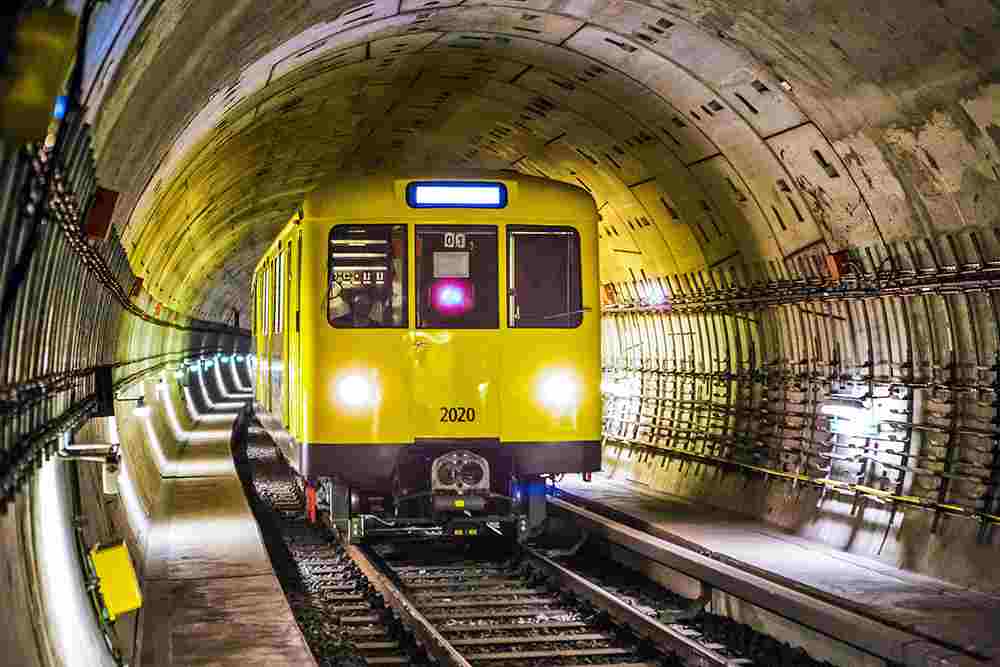 وقت الرحلة أجهزة الاستشعار
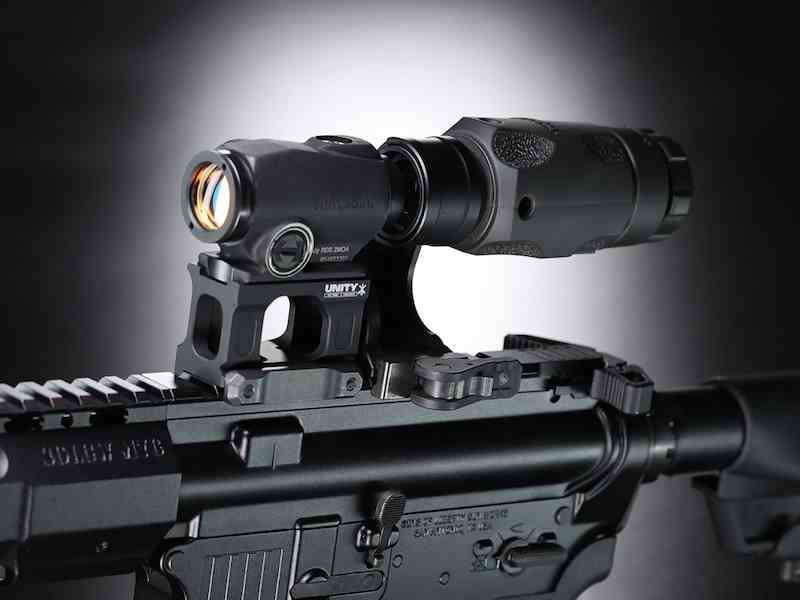 جهاز تحديد المدى بالليزر للصيد
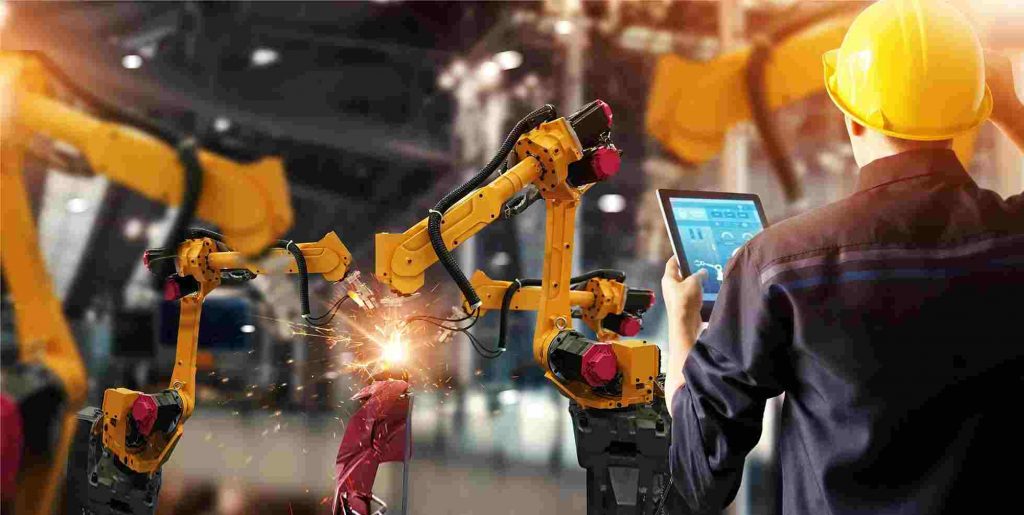 مستشعرات المسافة الروبوتية
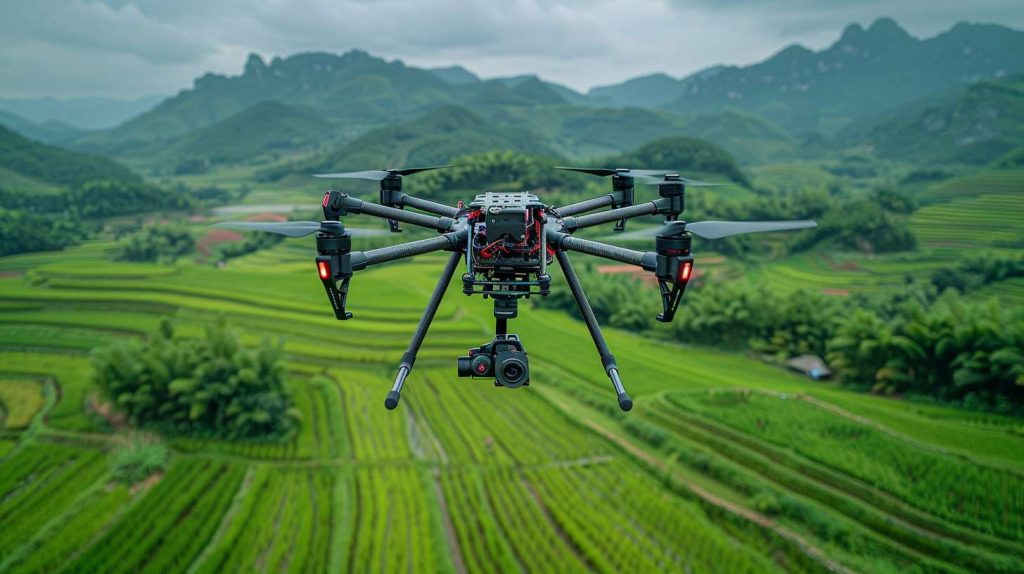
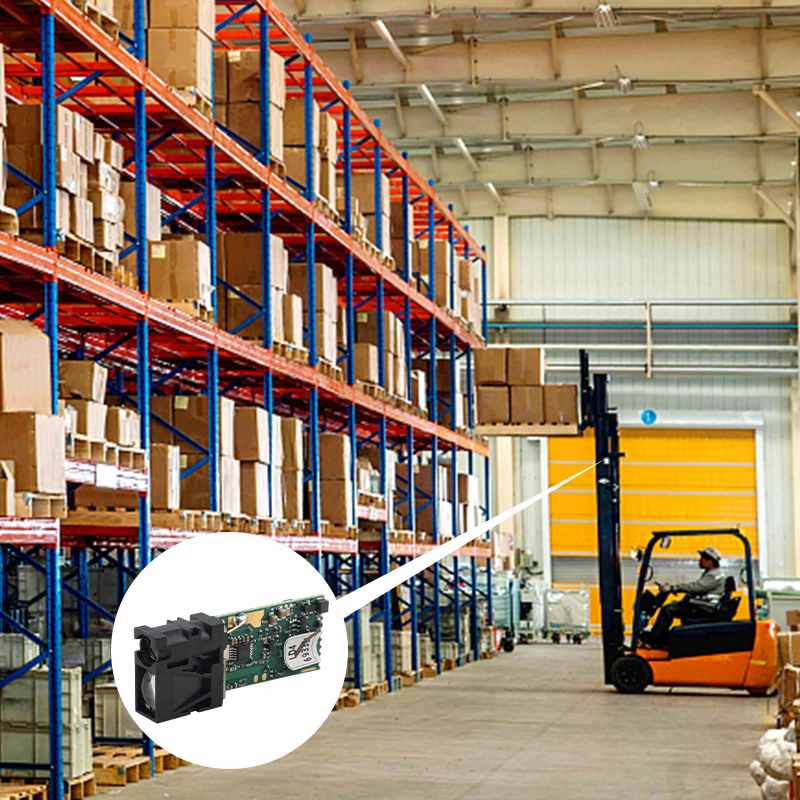 أردوينو مسافة الليزر المستشعرات
4. Integration Examples: Arduino and Raspberry Pi
Both analog and مستشعرات الترددات فوق البنفسجية work well with development platforms like Arduino and Raspberry Pi, though setup differs.
Analog Sensor Example (Arduino)
int analogPin = A0;
باطلة الإعداد() {
  يبدأ المسلسل(9600);
}
حلقة باطلة() {
  int val = analogRead(analogPin);
  float voltage = val * (5.0 / 1023.0);
  Serial.println(voltage);
}
ToF Sensor Example (VL53L0X with Raspberry Pi)
- Requires library:
python-vl53l0x
- Communicates over I2C
Community-driven examples are available via Raspberry Pi forums and GitHub.
5. Final Thoughts: Which Should You Choose?
Choosing between analog vs ToF distance sensors is a matter of precision, cost, and application:
| Project Type | المستشعر الموصى به | Reason |
|---|
| Toy Robot | التناظرية | Simple & cheap |
| Drone Obstacle Avoidance | تو إف | Fast & accurate |
| Factory Automation | ToF (RS485/CAN) | Reliable data transfer |
| Basic Measurement Tool | التناظرية | Minimal setup required |
Still unsure? Learn more about sensor communication protocols in our guide:
👉 Understanding Distance Sensor Modules: Interfaces, Protocols, and Use Cases