Infrared Sensors vs. أجهزة استشعار المسافة بالليزر: Understanding the Key Differences
When it comes to measuring distances or detecting objects in various applications, two of the most commonly used sensors are infrared sensors and مسافة الليزر sensors. Both technologies serve similar purposes, but they operate differently and are suited to distinct use cases. In this article, we will explore the main differences between infrared sensors and laser distance sensors, helping you choose the right solution for your needs.
1. Working Principle: How They Operate
Laser Distance Sensors use laser beams, to precisely measure distances by calculating the time it takes for light to bounce back, enabling accurate 3D mapping and object الكشف. In contrast, infrared sensors detect reflected infrared light or heat emissions, making them suitable for basic proximity sensing and thermal imaging.
2. Accuracy and Precision
One of the major differences between infrared sensors and laser distance sensors is their accuracy.
- مستشعرات الأشعة تحت الحمراء typically have lower accuracy and precision. They often operate with tolerances of a few centimeters, which makes them suitable for basic applications like presence detection or rough قياس المسافة.
- أجهزة استشعار المسافة بالليزر, however, provide much higher accuracy—often down to the millimeter level. This makes them ideal for applications requiring precise distance measurements, such as in industrial automation, robotics, or المسح.
3. Measurement Range
إن measurement range is another important factor to consider.
- مستشعرات الأشعة تحت الحمراء generally work well over shorter distances, typically ranging from a few millimeters to a few meters. This makes them ideal for close-range detection, such as detecting obstacles in a robot’s path or monitoring the level of a liquid in a container.
- أجهزة استشعار المسافة بالليزر can measure much longer distances, from a few centimeters to hundreds of meters, depending on the model. This extended range is ideal for tasks like building measurement, outdoor distance detection, and even autonomous vehicle navigation.
4. العوامل البيئية
Both sensors are sensitive to environmental conditions, but each has its own strengths and weaknesses.
- مستشعرات الأشعة تحت الحمراء are highly sensitive to changes in ambient light and temperature. Direct exposure to sunlight or varying temperatures can affect their accuracy and reliability. Furthermore, reflective surfaces or highly absorbing objects can also impact their performance.
- أجهزة استشعار المسافة بالليزر are less affected by ambient light, and modern models are designed to be stable in a range of environments, from extreme temperatures to outdoor conditions with varying light. They can deliver consistent performance even in bright sunlight or in low-light settings, thanks to their focused beam.
5. Cost
The cost of infrared sensors is typically lower than laser distance sensors, making them more affordable for simpler applications where high accuracy isn’t crucial. Infrared sensors are commonly used in everyday devices such as motion detectors, presence sensors, and basic proximity sensors.
In contrast, laser distance sensors are more expensive due to their higher accuracy, extended range, and more complex technology. However, the investment is worth it for high-precision applications like industrial measurement, geospatial mapping, or autonomous systems, where accuracy and long-range detection are crucial.
6. Applications
Each sensor type excels in different fields.
- مستشعرات الأشعة تحت الحمراء are commonly found in applications such as:
- Proximity detection (e.g., automatic doors, presence detection)
- Temperature sensing (e.g., in thermometers)
- Simple distance measurement (e.g., in basic consumer electronics)
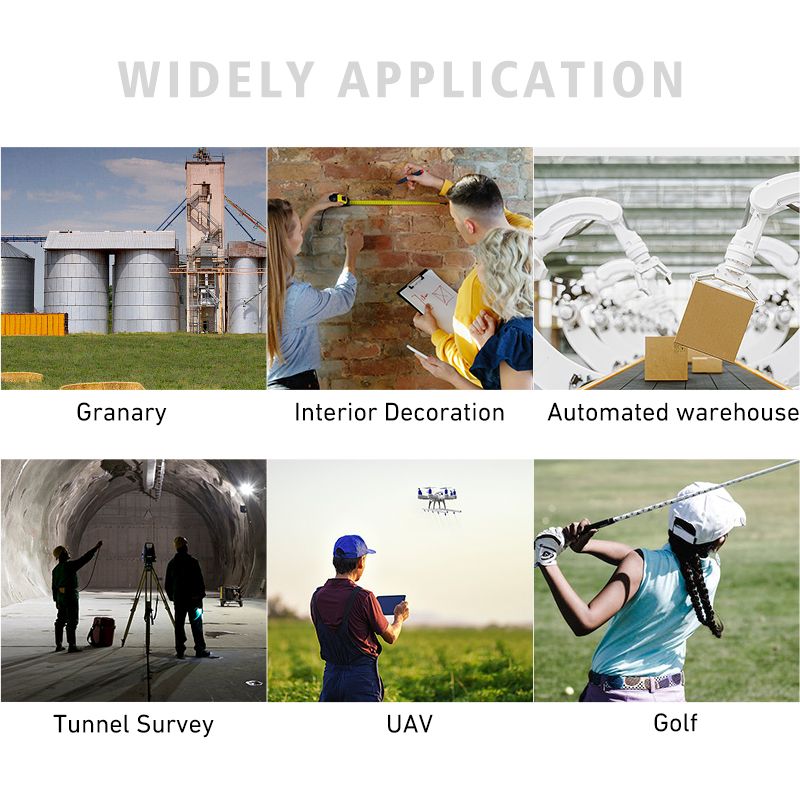
- أجهزة استشعار المسافة بالليزر are used in more advanced applications, including:
- الأتمتة الصناعية (e.g., precise measurement in manufacturing)
- الروبوتات (e.g., navigation and obstacle avoidance)
- المسح (e.g., land measurement and mapping)
- Automotive applications (e.g., ليدار for autonomous vehicles)
7. Summary Table: Quick Comparison
| الميزة | مستشعرات الأشعة تحت الحمراء | أجهزة استشعار المسافة بالليزر |
|---|
| مبدأ العمل | Reflection of infrared light | وقت الرحلة (تو إف) or phase-shift |
| الدقة | Lower precision (centimeters) | High precision (millimeters) |
| نطاق القياس | Short range (mm to a few meters) | Long range (cm to hundreds of meters) |
| Environmental Sensitivity | Affected by light and temperature changes | Less affected by environmental conditions |
| التكلفة | Low cost | Higher cost due to precision and range |
| التطبيقات النموذجية | Proximity detection, motion sensing | Industrial measurement, robotics, surveying |
Which Sensor Should You Choose?
- If you need a simple, cost-effective solution for detecting nearby objects or measuring short distances, an infrared sensor might be the right choice. It is perfect for applications where high accuracy isn’t critical, such as motion sensing or basic proximity detection.
- For applications requiring high precision and long-range measurement, a laser مستشعر المسافة is the better option. Its accuracy, long-range capabilities, and adaptability to various environmental conditions make it ideal for industrial, robotic, and surveying applications.
At the end of the day, the choice between an infrared sensor and a مستشعر المسافة بالليزر depends on your specific application requirements—from the range and accuracy to environmental factors and budget. By understanding these differences, you can make an informed decision to achieve the best performance for your project.
Feel free to contact us if you need assistance choosing the right sensor for your needs. As a leading manufacturer of أجهزة استشعار المسافة بالليزر, we provide custom solutions to meet any challenge in the most demanding environments.
تعرف على المزيد حول خدمات الاستشعار المخصصة لدينا