The Complete Buyer’s Guide to Choosing the Best Measuring Distance Sensor
From Principles to Applications – Everything You Need to Know Before You Buy
مقدمة
A measuring مستشعر المسافة is an essential component in today’s industrial automation, robotics, المسح, and smart device applications. Whether you’re working on a large-scale manufacturing line, developing an autonomous robot, or conducting precise land surveys, choosing the right distance sensor can determine the accuracy, efficiency, and success of your project.
With so many models and technologies available—ranging from مسافة الليزر sensors to ultrasonic and infrared modules—it can be challenging to decide which is best suited to your needs. This guide will walk you through the working principles, selection criteria, application areas, and supplier considerations so you can make a confident purchase decision.
What is a Measuring Distance Sensor?
A measuring distance sensor is a device that detects and measures the distance between itself and a target object without physical contact. It is widely used in industrial automation, commercial systems, and consumer electronics for accurate قياس المسافة.
Types of Measuring Distance Sensors:
1.مستشعرات الليزر – High precision, fast response, and long-range performance.
2.Ultrasonic sensors – Low-cost and versatile, but less accurate than laser.
3.Infrared sensors – Short-range, budget-friendly for consumer products.
4.Time of Flight (TOF) المستشعرات – Reliable for short to medium distances with consistent accuracy.
How Measuring Distance Sensors Work
The working principle depends on the sensor type:
1. Laser Time of Flight (TOF)
Measures the time it takes for a laser beam to travel to the target and back. Known for millimeter-level accuracy and fast response time.
2. Phase Shift Measurement
Determines distance based on the phase difference between emitted and reflected signals. Ideal for high-precision industrial applications.
3. Triangulation
Uses geometry to calculate distance based on the angle of reflected light. Common in short-range بصري distance sensors.
| التكنولوجيا | الدقة | النطاق | Typical Use Case |
|---|
| Laser TOF | ±1–3 mm | 0.1–2000 m | Surveying, automation, UAVs |
| تحوّل الطور | ± 1 مم | 0.1–200 m | Industrial measurement |
| التثليث | ±0.1 mm | 0.01–5 m | Robotics, 3D scanning |
Key Factors to Consider Before Buying
When selecting a measuring distance sensor, consider these factors:
1. Measurement Range
Choose a sensor that covers the distances you need.
2. Accuracy & Resolution
Higher precision usually comes at a higher cost, but it’s essential for applications like mapping or automated inspection.
3. Response Time
Fast response is crucial for moving targets, such as in robotics or drone navigation.
4. Output Interfaces
Common options: UART, RS232, RS485, 4-20mA, Modbus – choose based on your system compatibility.
5. Environmental Resistance
Consider IP ratings (IP65/IP67) for dust and water protection.
6. Size & Weight
Especially important for UAVs and portable devices.
7. Power Consumption
For battery-powered systems, low consumption is critical.
📌 See our أجهزة استشعار المسافة بالليزر الصناعية
Common Applications of Measuring Distance Sensor
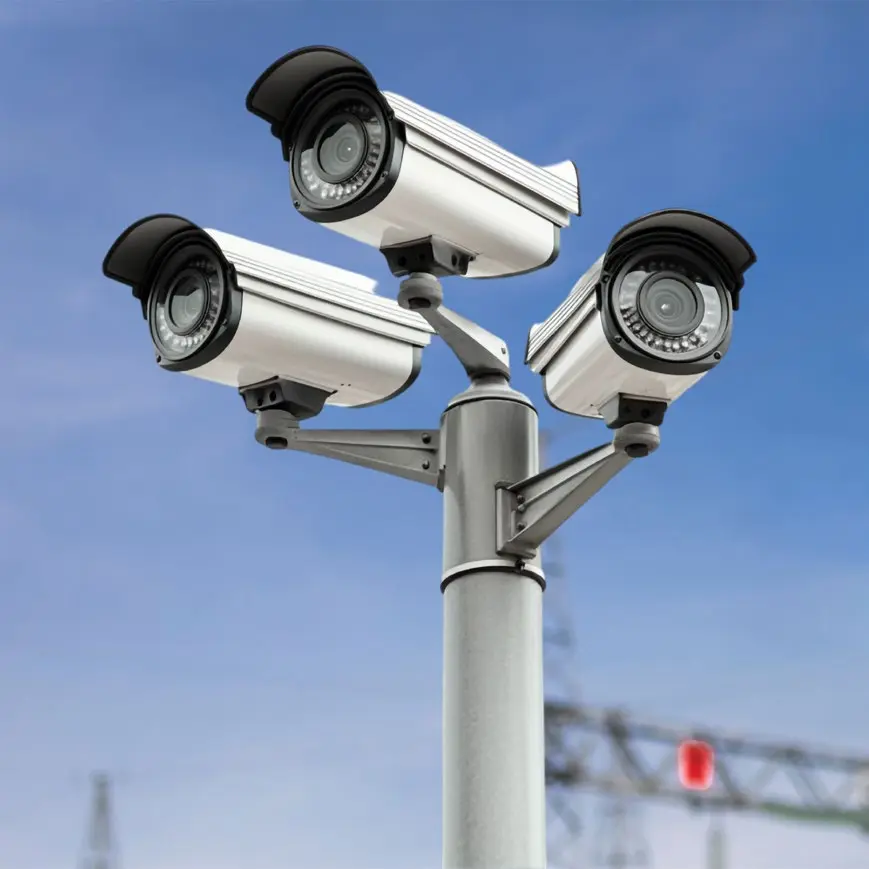
- الأتمتة الصناعية – Positioning, object الكشف, conveyor belt monitoring.
- المسح ورسم الخرائط – Land measurements, 3D terrain modeling.
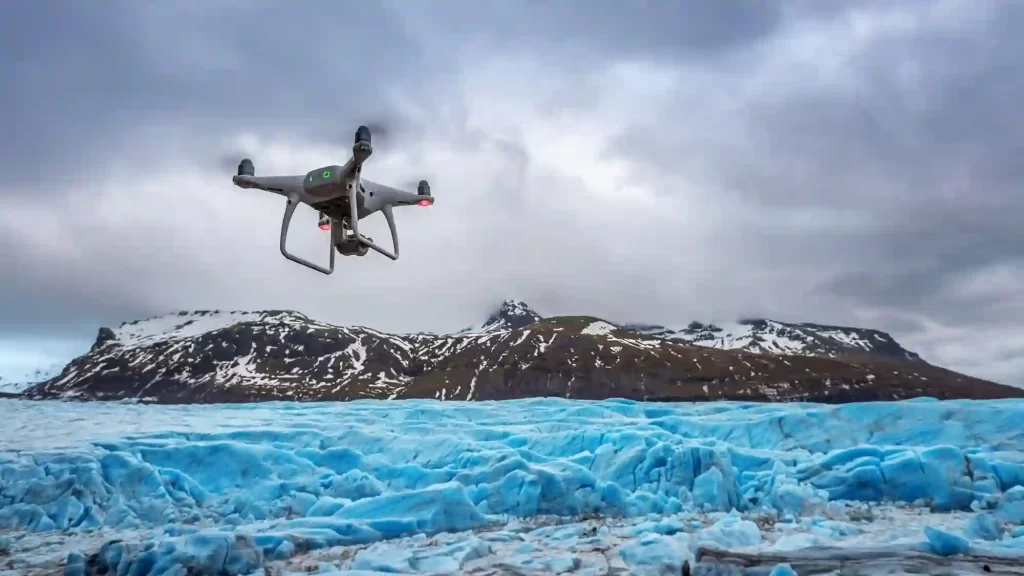
- الطائرات بدون طيار & الطائرات بدون طيار – Altitude holding, obstacle detection, terrain following.
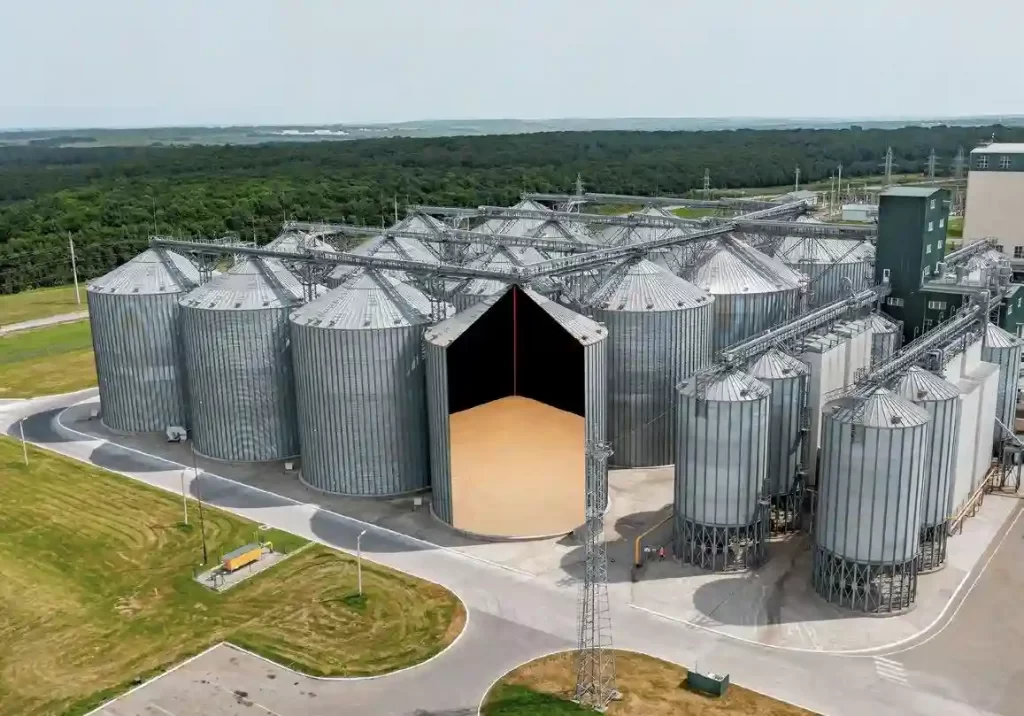
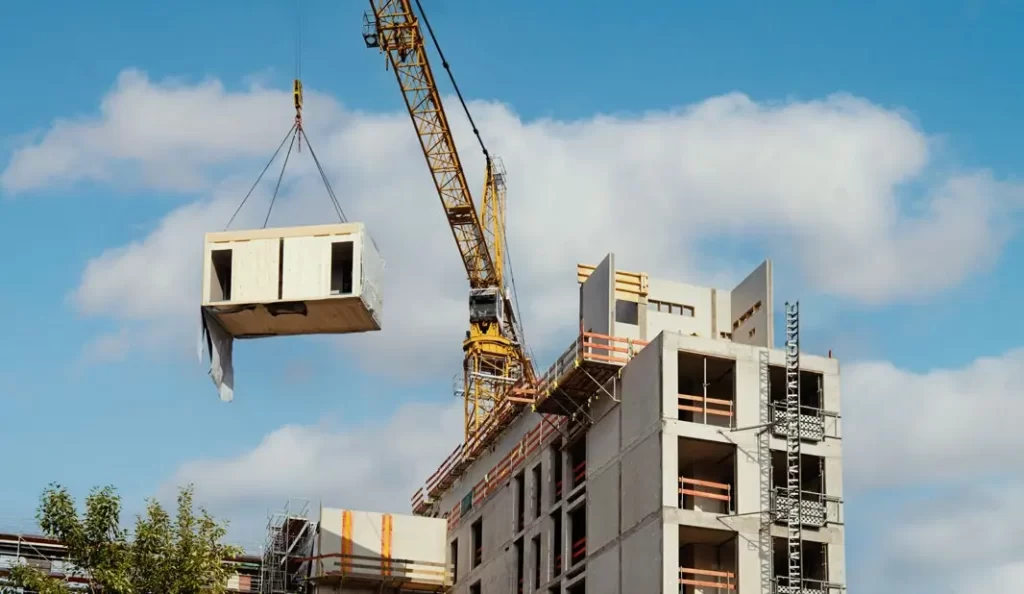
- Construction & Mining – Volume measurement, distance checks in harsh environments.
- الخدمات اللوجستية والتخزين – Pallet detection, stacking automation.
- الأجهزة الذكية – Automatic doors, touchless control systems.

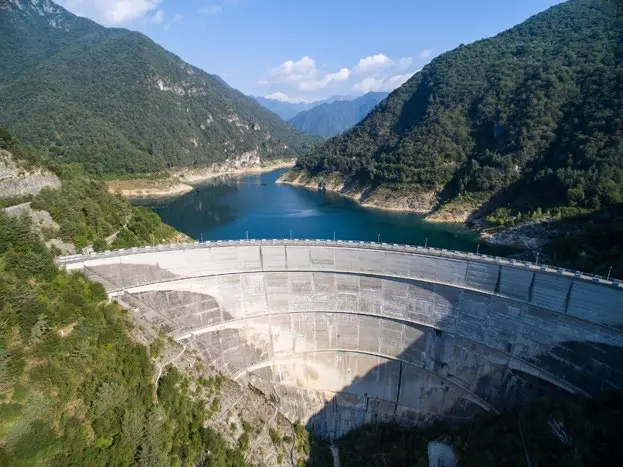
Laser Measuring Distance Sensor vs Other Types
| الميزة | مستشعر الليزر | جهاز استشعار بالموجات فوق الصوتية | مستشعر الأشعة تحت الحمراء |
|---|
| الدقة | High (±1–3 mm) | متوسط | Low to Medium |
| النطاق | Long (up to 200 m) | Short to medium | قصير |
| السرعة | Very fast | معتدل | Fast |
| التكلفة | متوسطة إلى عالية | منخفضة | منخفضة |
| البيئة | Works in most conditions | Sensitive to noise | Sensitive to light |
🔍 Read our comparison: Lidar vs Infrared Distance Measurement
Tips for Getting the Best Performance
- Mount the sensor at the correct angle to the target.
- Avoid measuring on low-reflective or transparent surfaces unless the sensor supports them.
- Use a stable power supply and shielded cables for industrial environments.
- Calibrate regularly to maintain accuracy.
How to Choose a Reliable Supplier
- Industry Experience – Choose suppliers with proven industrial projects.
- Customization Options – OEM & ODM capabilities for unique requirements.
- Technical Support – Availability of datasheets, CAD models, and API documentation.
- After-Sales Service – Warranty and repair options.
📞 Contact our sales team for a free consultation and quotation
Selecting the right measuring distance sensor involves understanding the technology, matching it to your application, and partnering with a trusted supplier. By considering factors like range, accuracy, environmental resistance, and output interface, you can ensure the best results for your project.
If you’re looking for a reliable laser measuring sensor for industrial or professional use, our team can help you select the perfect model—get in touch with us today.