-
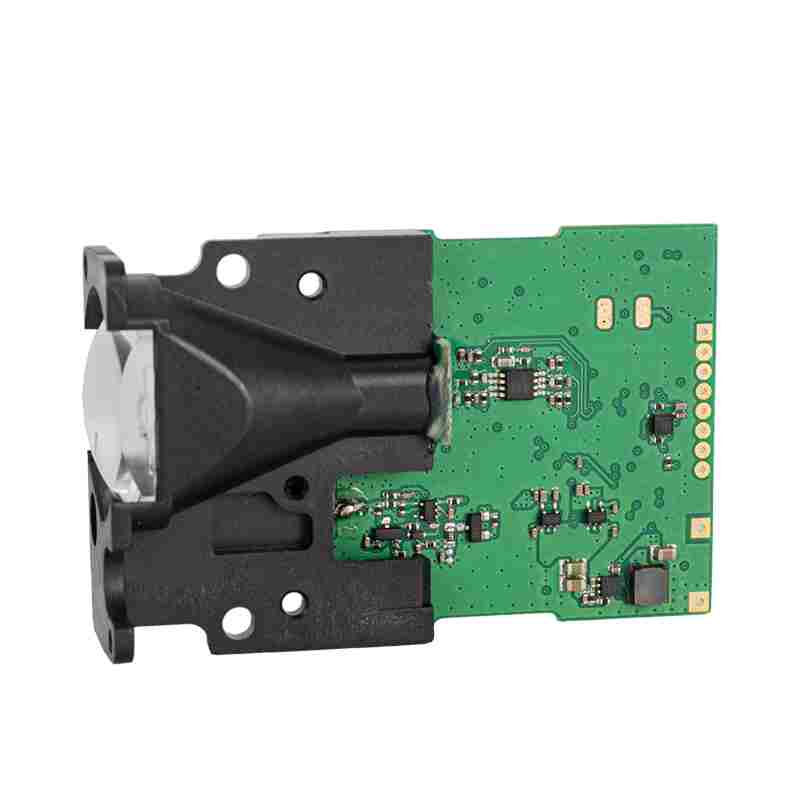
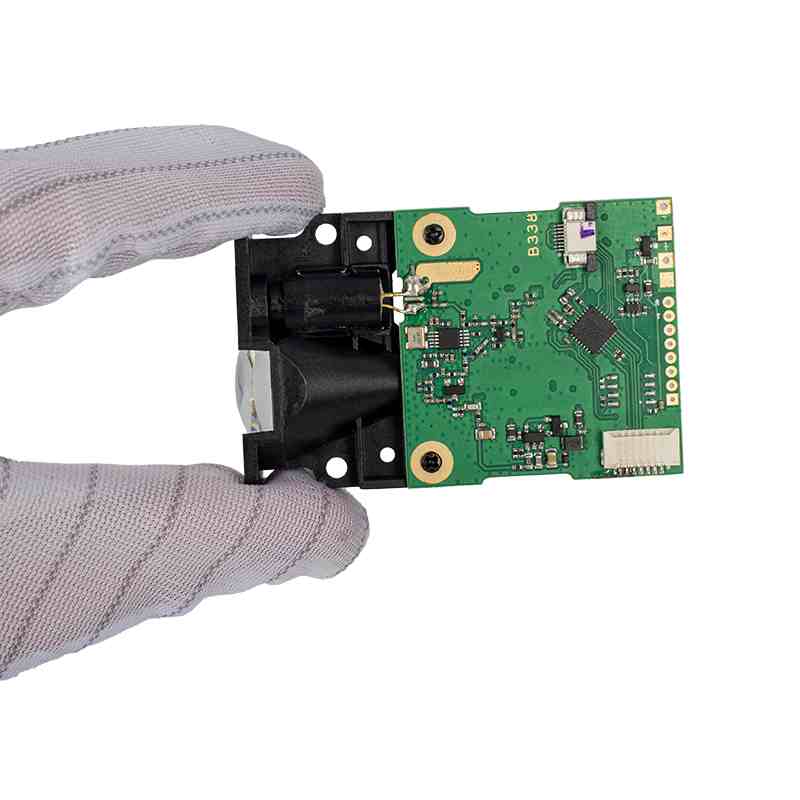
Arduino Laser Sensor 20Hz For Motion Distance Or Diy
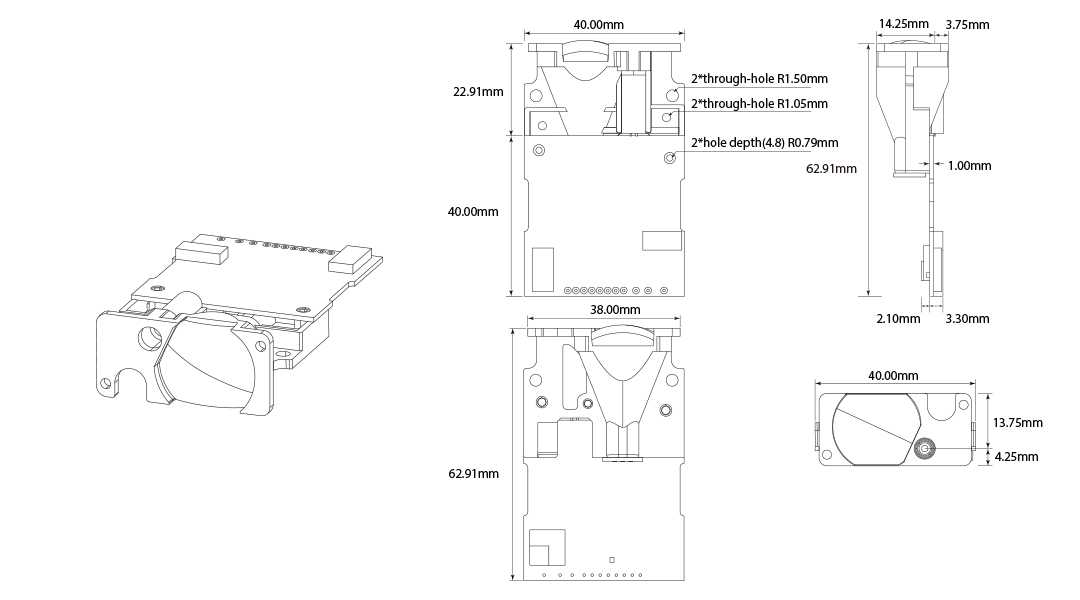
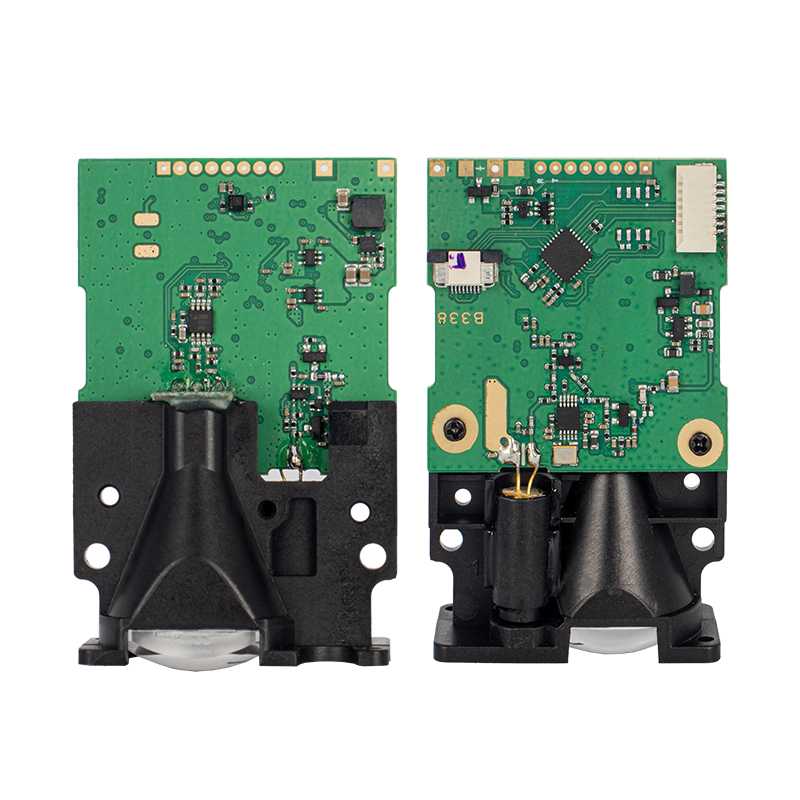
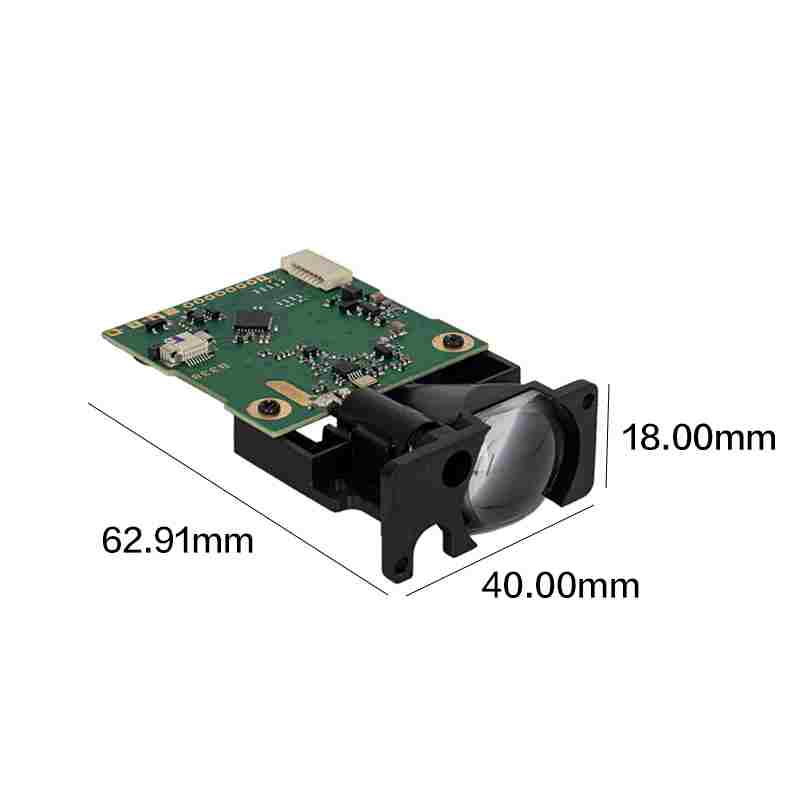
- Arduino Laser Sensor, a 1mm precision laser distance measurement module, is a device utilized for measuring target distances and transmitting data. It employs visible laser technology to emit laser beams and receive reflected laser signals to measure the distance between objects and the sensor. The laser ranging sensor supports communication interfaces such as USB, TTL, RS232, RS485, Bluetooth, enabling data transmission and communication with other devices.
- 1.Meskernel module responds quickly with high accuracy and long range measuring
- 2. We have been stand in this laser line for over 20 years, leading supplier of laser distance meter/sensor modules in China
- 3. 30m, 40m, 60m, 80m, 100m, 120m, 150m, each distance can be multifunctional
- 4. Voltage can be changed by power converter LDO
- 5. Operating temperature -10 ℃~50 ℃ can be customized
- 6. Analog can be customized.
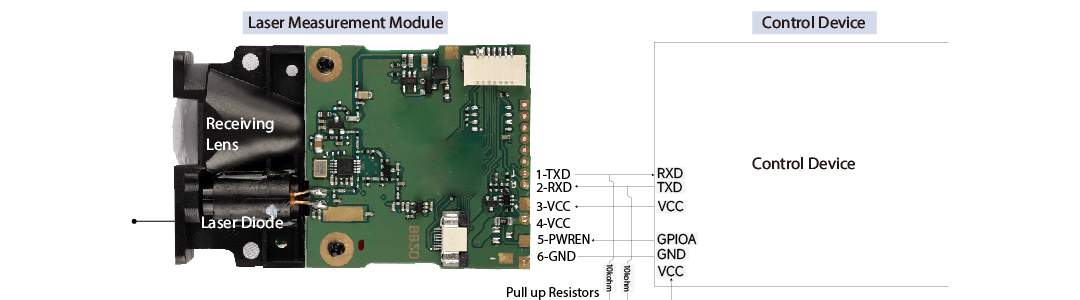
Arduino Laser Sensor Key Features:
- خيارات المسافات الواسعة
مجموعة واسعة من المسافات القابلة للتحديد، مما يجعلها مناسبة لمختلف التطبيقات. - سرعة الاستجابة السريعة
قدرات الحصول السريع على البيانات، وإكمال قياسات المسافة في غضون أجزاء من الثانية. - واجهات اتصال متعددة
يدعم العديد من واجهات وبروتوكولات الاتصالات، بما في ذلك RS232 و RS485 وBluetooth و Modbus وUART، مما يسهل التكامل مع عناصر التحكم أو البيانات الموجودة. - دقة قياس عالية
وبفضل دقته التي عادةً ما تكون في نطاق المليمتر، يلبي هذا المستشعر متطلبات الدقة العالية لتطبيقات مثل سيناريوهات الهندسة الجيودطيسية وهندسة البناء. - أداء مستقر
يحافظ المستشعر على نطاق ضيق من تقلبات البيانات ويعرض خطأ منخفضًا جدًا في التكرار. - قياس عدم التلامس
جهاز الاستشعار قادر على القياس بدون تلامس، وهو مناسب للكشف عن الأجسام المتحركة، والأجسام ذات درجات الحرارة العالية أو المنخفضة، والسوائل، والأجسام غير المنتظمة الشكل.
Using a laser sensor with an Arduino can be a great way to detect distances, measure position, or detect objects. Typically, laser sensors used with Arduino can be either laser rangefinders (for measuring distance) or laser detectors (to detect the presence of a laser spot). Below, I will walk you through the general setup for laser sensors, specifically focusing on how to interface a laser distance sensor with an Arduino, as this is one of the most common use cases.
How to use Arduino Laser Sensor?
1. Laser Distance Sensor (e.g., Lidar, LDJ Laser Sensor)
One popular laser-based sensor for distance measurement is the LDJ Laser Sensor Time-of-Flight (ToF) sensor. This is a compact and inexpensive sensor that uses laser light to measure the distance to an object.
Components Needed:
- Arduino board (e.g., Uno, Mega, Nano)
- LDJ Laser Sensor module
- Jumper wires
- Breadboard (optional)
Wiring the LDJ Laser Sensor:
The LDJ Laser Sensor communicates with the Arduino using the I2C protocol, which means you’ll need to connect the sensor to the SCL and SDA pins on your Arduino.
For an Arduino Uno:
- GND (sensor) to GND (Arduino)
- VCC (sensor) to 5V (Arduino)
- SDA (sensor) to A4 (Arduino Uno)
- SCL (sensor) to A5 (Arduino Uno)
If you are using a different Arduino model, check the I2C pins (SCL/SDA) for that board.
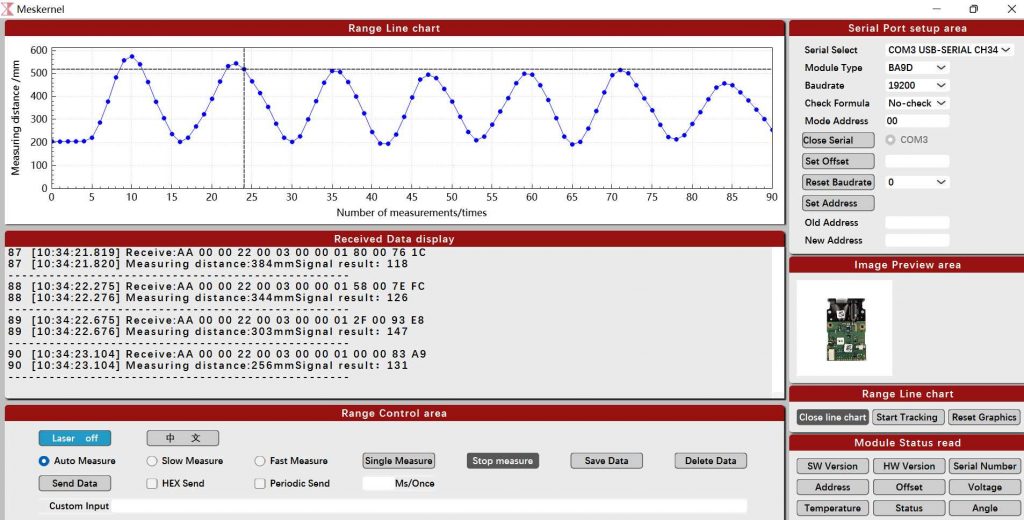
Test Software Platform For Arduino Laser Sensor
لماذا تختارنا؟
As a trusted OEM manufacturer, we specialize in providing high-quality industrial laser sensors with custom solutions to meet your specific requirements. Our customization options allow you to tailor sensor configurations to your operational needs, while our OEM pricing ensures competitive cost solutions for both large-scale and small businesses. Our team of experts will work closely with you from consultation to post-installation, ensuring your industrial laser sensor system is optimized for your unique needs.