Preciso control del nivel del depósito is critical in industries such as oil & gas, chemical processing, water treatment, and agriculture. Traditional contact-based level measurement technologies often struggle in harsh environments, where factors like corrosion, vapor, pressure, and temperature fluctuations affect reliability.
Sensores láser ofrecen una solución sin contacto y de alta precisión para la supervisión del nivel de los tanques, proporcionando mediciones exactas y estables incluso en condiciones industriales difíciles. Este artículo explica cómo funcionan los sensores láser, por qué superan a los métodos convencionales y cómo se utilizan en los modernos sistemas de monitorización remota.
¿Qué es la supervisión del nivel de los depósitos?
El control del nivel de tanques consiste en la medición continua de los niveles de líquidos o sólidos en el interior de tanques de almacenamiento, silos o contenedores. Desempeña un papel vital en:
- Evitar el desbordamiento o el funcionamiento en seco
- Garantizar la seguridad y el cumplimiento de los procesos
- Optimización de inventarios y logística
- Operaciones remotas y no tripuladas
En función de la aplicación, los sistemas de control del nivel de los tanques pueden utilizar sensores ultrasónicos, sensores de presión, sensores de radar o sensores láser de alcance.
Cómo funcionan los sensores láser en la supervisión del nivel de los depósitos
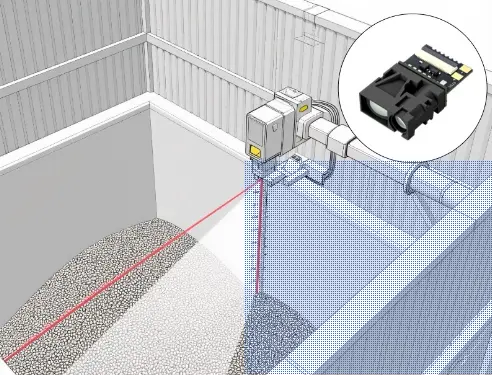
Los sensores láser miden la distancia utilizando el tiempo de vuelo (ToF). Se emite un rayo láser hacia la superficie objetivo y el sensor recibe la señal reflejada. La distancia se calcula en función del tiempo de recorrido del impulso láser.
En aplicaciones de control de nivel de tanques:
- El sensor láser se monta en la parte superior del depósito
- El rayo láser se dirige hacia la superficie del líquido
- El sensor mide la distancia a la superficie
- El nivel del depósito se calcula en función de la altura conocida del depósito
Dado que la medición se realiza sin contacto, los sensores láser evitan la exposición directa a líquidos, vapores o productos químicos.
Por qué los sensores láser son ideales para controlar con precisión el nivel de los depósitos
1. Medición sin contacto
Los sensores láser no tocan el medio medido, lo que elimina los problemas causados por la corrosión, la contaminación o la acumulación de material. Esto los hace ideales para productos químicos agresivos, aguas residuales y líquidos de gran pureza.
2. Alta precisión de medición
En comparación con los sensores ultrasónicos, los sensores láser ofrecen una precisión milimétrica, incluso a grandes distancias. Esta precisión es esencial para aplicaciones que requieren un control estricto del inventario o la estabilidad del proceso.
3. Gran resistencia a las interferencias ambientales
Los sensores láser industriales modernos están diseñados para funcionar de forma fiable en:
- Entornos de alta temperatura
- Condiciones de polvo o humedad
- Luz ambiente intensa
- Depósitos de alta presión
A diferencia de los sensores ultrasónicos, los sensores láser no se ven afectados por la densidad del vapor ni por los gradientes de temperatura.
4. Largo alcance de medición
Alcance láser pueden medir desde unos pocos centímetros hasta decenas o incluso cientos de metros, por lo que son adecuados tanto para tanques pequeños como para grandes silos de almacenamiento.
Sensores láser frente a otras tecnologías de medición de nivel en depósitos
| Tecnología | Póngase en contacto con | Precisión | Resistencia medioambiental | Mantenimiento |
|---|
| Sensor de flotador | Sí | Bajo | Pobre | Alta |
| Sensor de presión | Sí | Medio | Medio | Medio |
| Sensor ultrasónico | No | Medio | Sensible al vapor | Medio |
| Sensor de radar | No | Alta | Excelente | Bajo |
| Sensor láser | No | Muy alta | Excelente | Bajo |
Los sensores láser ofrecen un gran equilibrio entre precisión, estabilidad y coste del sistema, especialmente en aplicaciones en las que los sensores de radar pueden estar sobredimensionados.
Control remoto del nivel de los depósitos mediante sensores láser
Los sensores láser se utilizan ampliamente en sistemas de monitorización remota, especialmente cuando se combinan con controladores IoT y módulos de comunicación inalámbrica.
Una arquitectura de sistema típica incluye:
- Sensor láser de alcance
- Controlador o PLC
- Módulo de comunicación (4G, LoRa, NB-IoT)
- Plataforma en nube o sistema SCADA
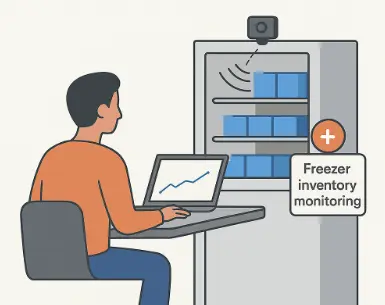
Esta configuración permite la supervisión del nivel en tiempo real, la activación de alarmas y el análisis de datos sin necesidad de personal in situ.
Consideraciones clave a la hora de elegir un sensor láser para la supervisión del nivel de tanques
A la hora de seleccionar un sensor láser para la supervisión del nivel de los tanques, los ingenieros deben tener en cuenta:
- Rango de medición y precisión
- Interfaz de salida (UART, RS485, CAN, analógico)
- Temperatura de funcionamiento y grado de protección IP
- Resistencia al polvo, al vapor y a la condensación
- Integración con sistemas de control remoto
Elegir bien sensor láser industrial garantiza la estabilidad a largo plazo y un rendimiento fiable.
Aplicaciones típicas del control de nivel de tanques por láser
Los sensores láser se utilizan habitualmente en:
- Depósitos de aceite y combustible
- Contenedores químicos y farmacéuticos
- Depósitos de agua y tanques de tratamiento de aguas residuales
- Riego agrícola y almacenamiento de fertilizantes
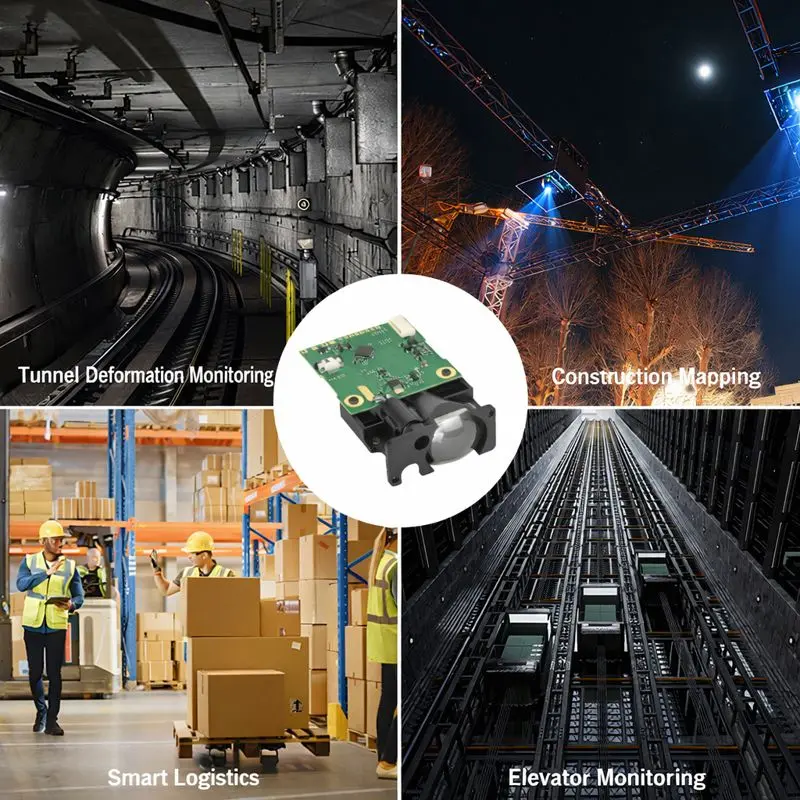
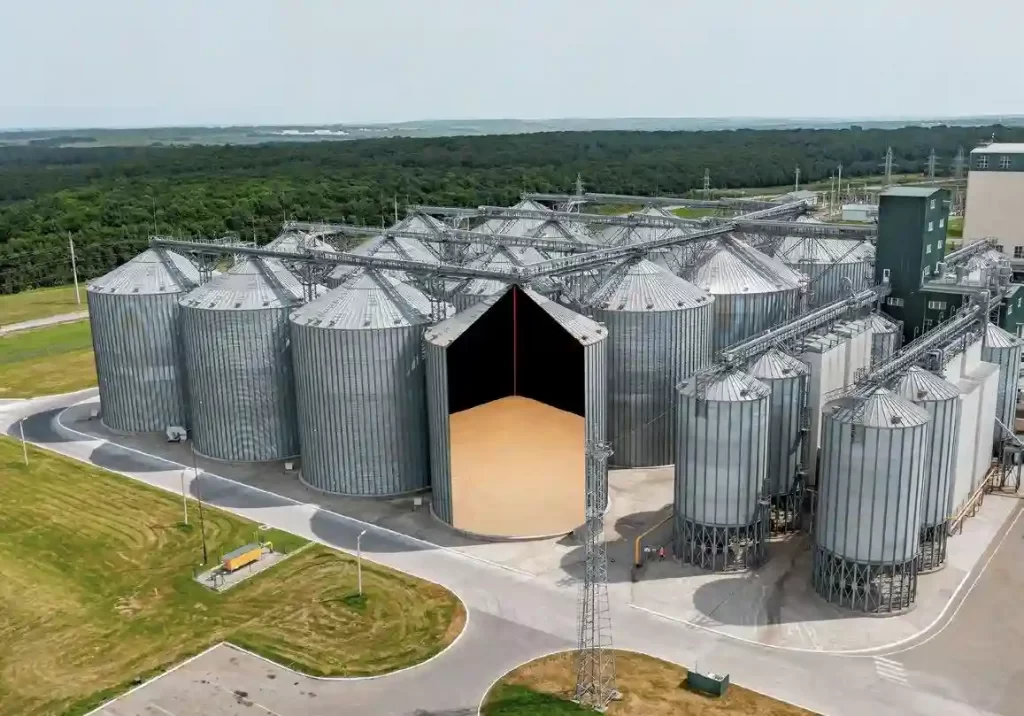
- Silos y contenedores de material a granel
Su flexibilidad las hace adecuadas tanto para aplicaciones de medición en continuo como puntuales.

Conclusión
Sensores láser permiten controlar con precisión el nivel de los depósitos combinando medición sin contacto, Los sensores láser de medición de nivel ofrecen un alto nivel de precisión y una gran adaptabilidad al entorno. En comparación con las tecnologías tradicionales de medición de nivel, los sensores de medición láser ofrecen una solución fiable y escalable para los modernos sistemas de supervisión industrial y remota.
A medida que las industrias siguen avanzando hacia la automatización y la digitalización, la supervisión del nivel de los tanques mediante láser se está convirtiendo en una tecnología esencial para unas operaciones seguras, eficientes e inteligentes.
FAQ: Sensores láser para control de nivel de depósitos
-
¿Cuál es la ventaja de los sensores láser frente a los ultrasónicos para controlar el nivel de los tanques?
Los sensores láser ofrecen una mayor precisión y no se ven afectados por los cambios de vapor, temperatura o presión, lo que los hace más fiables en entornos industriales difíciles.
-
¿Se pueden utilizar sensores láser para controlar a distancia el nivel de los tanques?
Sí. Los sensores láser suelen integrarse con sistemas IoT para la supervisión remota, el registro de datos y la gestión de alarmas.
-
¿Son adecuados los sensores láser para líquidos corrosivos?
Sí. Dado que los sensores láser utilizan la medición sin contacto, son ideales para líquidos corrosivos o peligrosos.
-
¿Cuál es la precisión de los sensores láser para controlar el nivel de los tanques?
Los sensores láser industriales pueden alcanzar una precisión milimétrica, según el modelo y las condiciones de aplicación.
https://meskernel.net/laser-ranging/