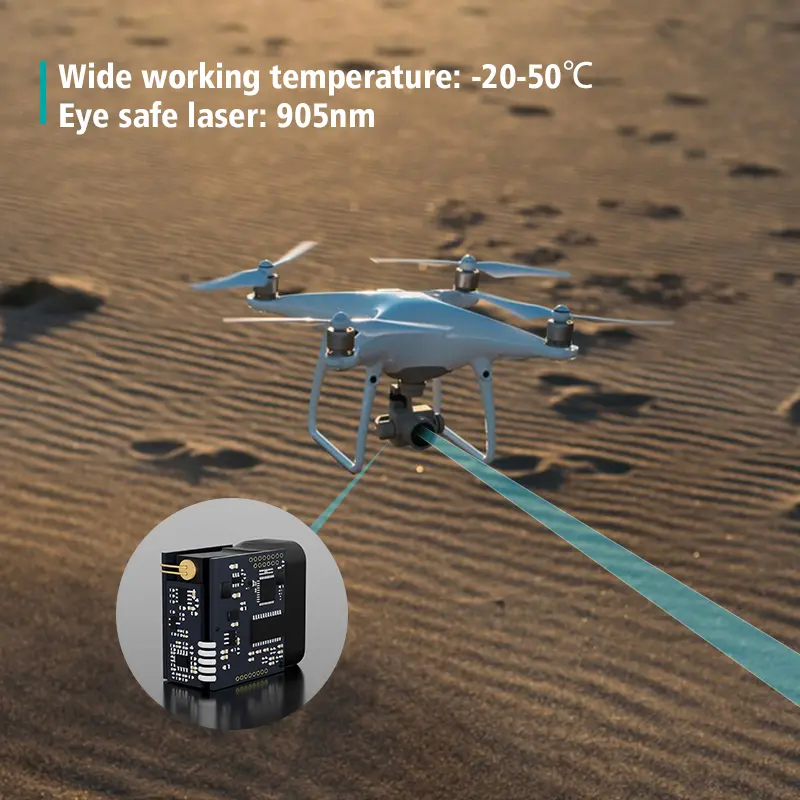
Drone Laser Rangefinders play a critical role in UAV applications such as altitude holding, terrain following, evitación de obstáculos, and precision landing.
However, when drones operate outdoors under strong sunlight, many engineers encounter unstable readings, reduced range, or complete measurement failure.
This article explains why sunlight interferes with drone laser rangefinders, what typical failures look like, and—most importantly—how to choose and integrate the right outdoor laser sensor de distancia for drone applications.
1. Why Sunlight Is a Major Problem for Drone Laser Rangefinders
1.1 The Physics Behind Sunlight Interference
Most drone laser rangefinders work based on Tiempo de vuelo (ToF) or pulse alcance láser.
In outdoor environments:
- Sunlight contains broad-spectrum infrared energy
- The sensor receiver may detect ambient IR noise
- The reflected laser signal becomes difficult to distinguish from background light
This leads to the classic telémetro láser sunlight problem, especially at:
- Noon or high-altitude flights
- Snow, sand, concrete, or reflective surfaces
- Downward-facing distance measurements
2. Typical Failure Symptoms in Outdoor Drone Applications
Engineers integrating an outdoor laser distance sensor for drones often report:
- ❌ Sudden distance jumps or zero readings
- ❌ Effective range reduced from 100 m to <20 m
- ❌ Inconsistent altitude data during hover
- ❌ Sensor works indoors but fails outdoors
- ❌ Data instability under direct sun exposure
These failures are not firmware bugs—they are óptico and system-level issues.
3. Key Design Factors That Determine Outdoor Performance
When selecting Drone Laser Rangefinders, sunlight resistance depends on several core design elements:
3.1 Laser Wavelength Selection
| Longitud de onda | Resistencia a la luz solar | Notas |
|---|
| 905 nm | Medio | Common, cost-effective |
| 1535 nm | Excelente | Strong sunlight immunity, eye-safe |
| 850 nm | Weak | High ambient interference |
👉 1535 nm laser rangefinder modules are widely used in professional UAV and industrial drone systems.
3.2 Optical Filtering & Receiver Design
High-quality drone laser rangefinders use:
- Filtros ópticos de banda estrecha
- Avalanche photodiodes (APD)
- Low-noise signal amplification
- Dynamic gain control
These features dramatically reduce ambient light noise.
3.3 Measurement Mode & Signal Processing
Advanced modules offer:
- Multi-pulse averaging
- Confidence threshold filtering
- Sunlight adaptive algorithms
- Strong/weak echo discrimination
Without these, even a powerful laser may fail outdoors.
4. How to Choose the Right Outdoor Laser Distance Sensor for Drones
Before purchasing or integrating a Drone Laser Rangefinder, ask these questions:
✅ Environment & Use Case
- Daytime or night-only operation?
- Downward altimeter or forward obstacle sensing?
- Typical altitude and surface reflectivity?
✅ Technical Requirements
- Required measurement range (30 m? 300 m? 1 km?)
- Update rate (10 Hz vs 50 Hz)
- Interfaz: UART / TTL / RS485 / CAN
- Weight and power constraints
✅ Outdoor-Specific Capabilities
- Sunlight resistance verified?
- Tested under real outdoor UAV conditions?
- Metal housing for EMI shielding?
- IP-rated protection?
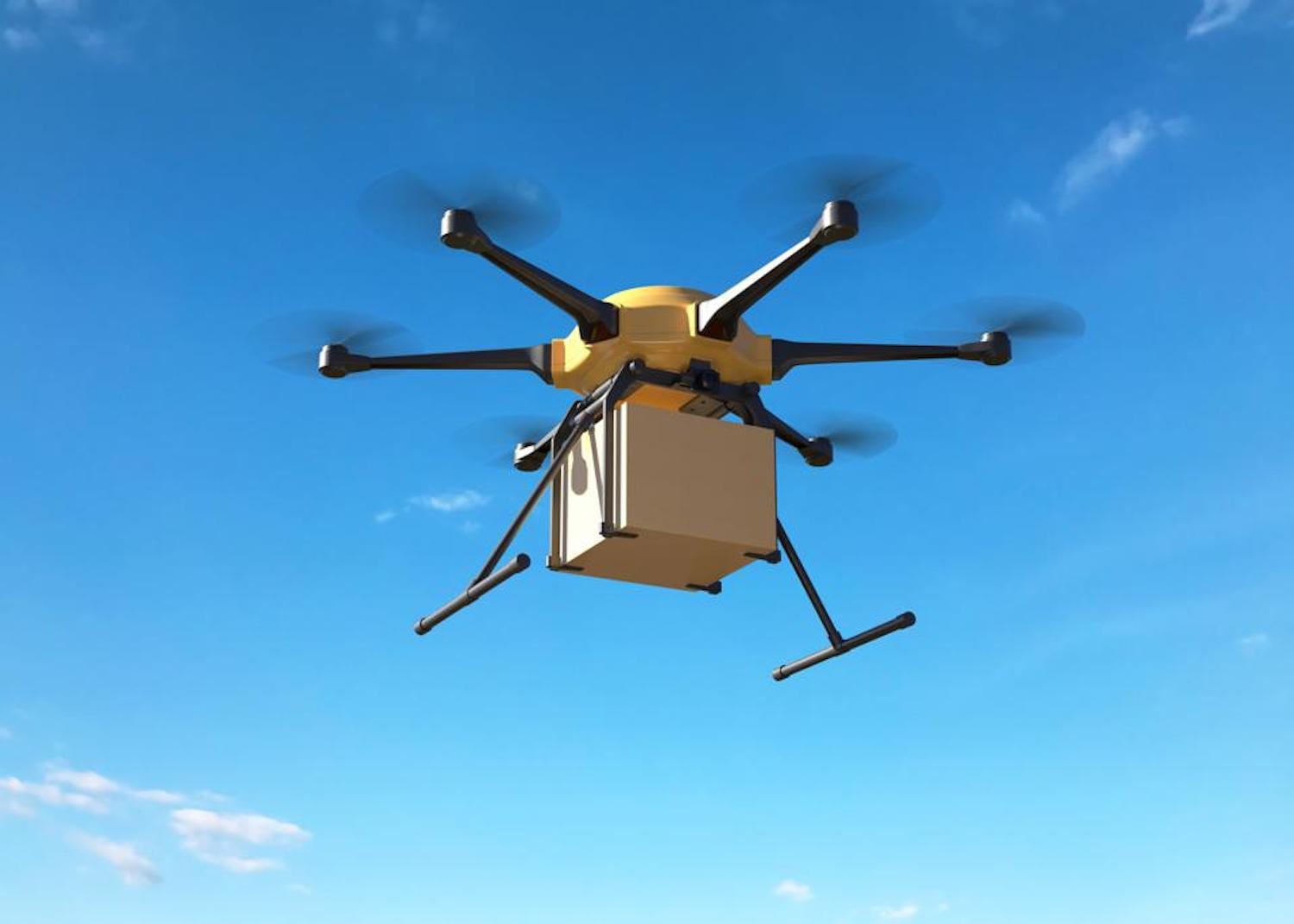
5. Real-World Drone Applications That Require Strong Sunlight Immunity
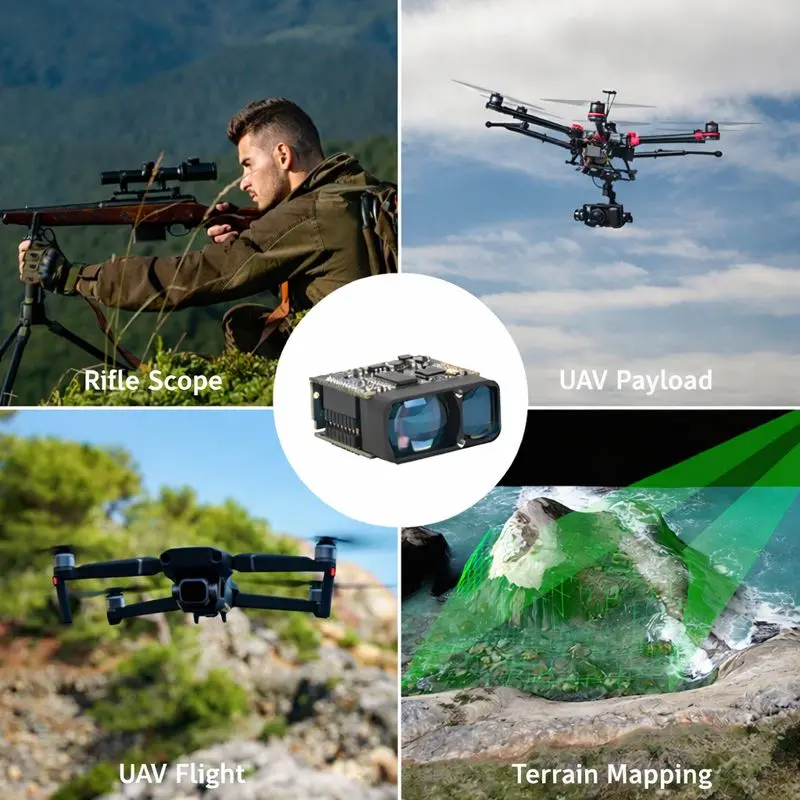
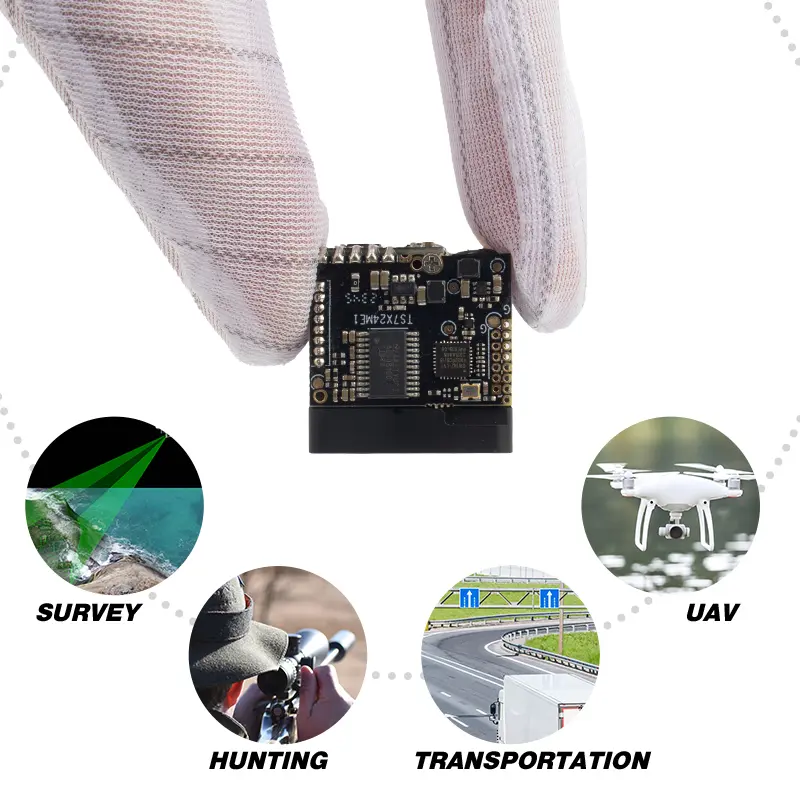
High-performance Drone Laser Rangefinders are widely used in:
- Terrain-following drones
- Precision landing systems
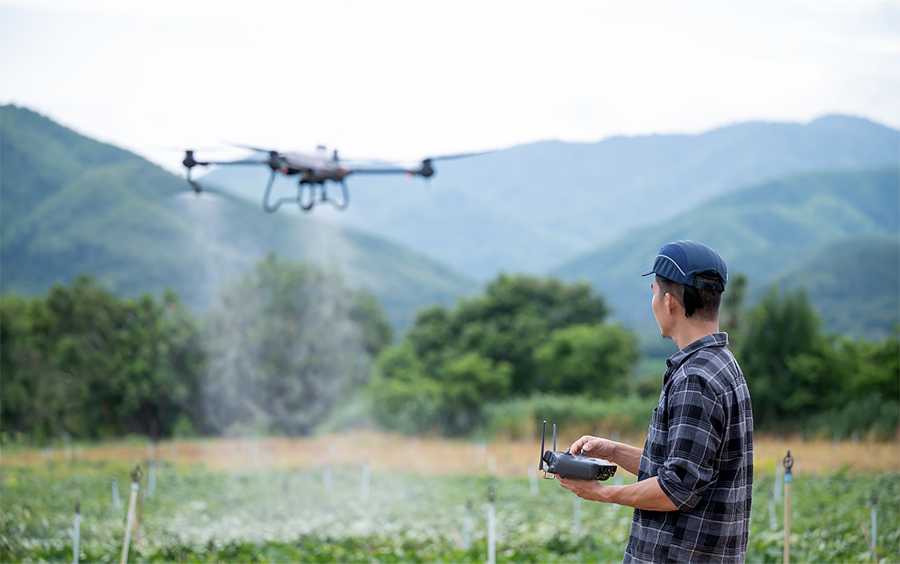
- Agricultural UAV spraying height control
- Mapping & topografía drones
- Obstacle avoidance for BVLOS drones
- Fixed-wing UAV altitude sensing
In these scenarios, indoor-grade sensores láser are simply not sufficient.
6. Integration Tips to Improve Outdoor Performance
Even with a good sensor, integration matters:
- Avoid direct sun exposure to the receiver window
- Use recessed or shaded mounting positions
- Minimize vibration coupling
- Garantizar un suministro eléctrico estable
- Match sensor update rate with flight controller loop
These small details often determine success or failure.
7. Professional Drone Laser Rangefinder Modules for OEM Integration
For UAV integrators looking for industrial-grade Drone Laser Rangefinders, OEM modules designed for:
- Outdoor strong-light environments
- Long-range performance
- Compact size and low weight
- UART/TTL integration with flight controllers
are the best choice.
👉 Many UAV fabricantes now adopt 1535 nm laser distance sensor modules specifically optimized for drone platforms, offering stable outdoor ranging even under direct sunlight.
FAQ – Drone Laser Rangefinders & Sunlight Issues
-
What causes sunlight interference in drone laser rangefinders?
Sunlight interference happens when ambient infrared energy overwhelms the sensor’s receiver, making it difficult for drone laser rangefinders to distinguish the reflected laser signal from background noise.
-
Why do drone laser rangefinders fail in strong outdoor sunlight?
Drone laser rangefinders fail outdoors because direct sunlight introduces infrared noise that reduces signal-to-noise ratio, especially on reflective surfaces or during midday flights.
-
Does sunlight reduce the accuracy of drone laser rangefinders?
Yes, strong sunlight can reduce accuracy by causing unstable readings, shortened measurement range, or intermittent signal loss in drone laser rangefinders.
-
What laser wavelength works best for outdoor drone laser rangefinders?
1535 nm is the best laser wavelength for outdoor drone laser rangefinders because it offers strong sunlight immunity, better signal discrimination, and eye-safe operation.
-
How can sunlight interference be reduced in drone laser rangefinders?
Sunlight interference can be reduced by using narrow-band optical filters, high-sensitivity receivers, adaptive signal processing, and proper sensor mounting to avoid direct sun exposure.
-
Why do some drone laser rangefinders work indoors but not outdoors?
Indoor environments lack strong ambient infrared radiation, while outdoor sunlight introduces noise that weak or indoor-grade drone laser rangefinders cannot filter effectively.
-
Are laser rangefinders better than ultrasonic sensors for outdoor drones?
Yes, laser rangefinders outperform ultrasonic sensors outdoors by providing longer range, faster response, and stable measurements unaffected by wind or altitude.
-
What is the best distance sensor for outdoor drone altitude measurement?
The best sensor for outdoor drone altitude measurement is a laser-based rangefinder designed for strong sunlight resistance and real-world UAV environments.
-
How does surface reflectivity affect drone laser ranging outdoors?
Highly reflective surfaces like concrete, sand, or water scatter sunlight and weaken return signals, increasing the chance of ranging failure in drone laser rangefinders.
-
Can software alone fix sunlight problems in drone laser rangefinders?
No, software can only partially compensate; effective sunlight resistance depends mainly on optical design, laser wavelength, and receiver hardware.
-
What range should an outdoor drone laser rangefinder support?
An outdoor drone laser rangefinder should support at least 30–100 meters for altitude sensing, with longer range required for surveying or obstacle detección.
-
Where should a drone laser rangefinder be mounted to avoid sunlight issues?
Drone laser rangefinders should be mounted in a recessed or shaded position, angled to minimize direct sunlight entering the receiver window.
Reflexiones finales
Sunlight interference is one of the most common failure points in drone medición de la distancia systems.
Choosing the right Drone Laser Rangefinder—designed for outdoor, strong-light conditions—is essential for reliable UAV performance.
For drone manufacturers, system integrators, and UAV engineers, investing in professional outdoor distancia láser sensors is not optional—it’s mission-critical.