Industrial laser sensor vs Arduino-based solutions are often evaluated during early development, but the right choice becomes critical when moving toward stable, real-world deployment.
The comparison between an industrial laser sensor and an Arduino-based solution is one of the most common decision points in medición de la distancia proyectos.
This article provides a practical, engineering-focused comparison based on real deployment conditions.
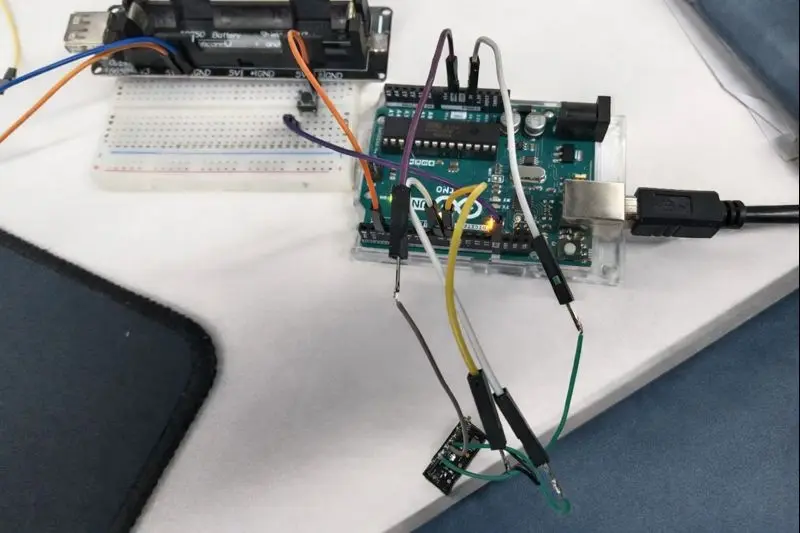
Arduino-Based Distance Measurement: Strengths and Limits
Arduino-based solutions offer:
- Fast setup
- Low entry cost
- High flexibility for prototyping
However, they are limited by:
- Environmental sensitivity
- Inconsistent long-term performance
- Lack of industrial certification
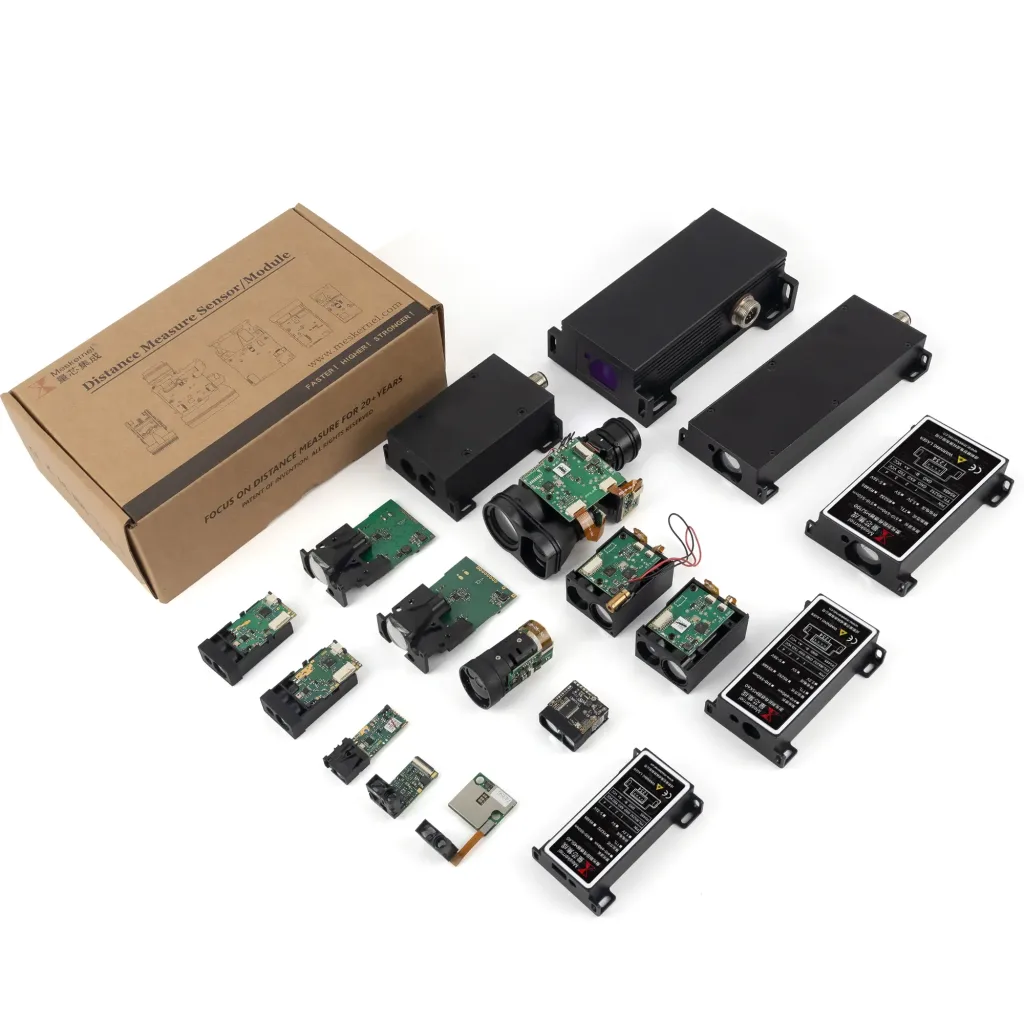
Industrial Laser Sensor: Designed for Deployment
Industrial sensores láser are engineered for:
- Continuous operation
- Electrical and óptico noise immunity
- Stable accuracy across temperature ranges
- Industrial communication protocols
Industrial Laser Sensor vs Arduino-Based Solutions: Core Differences
| Criteria | Arduino-Based | Industrial Laser Sensor |
|---|
| Operating environment | Lab / indoor | Indoor & outdoor |
| Accuracy stability | Variable | Stable |
| Interfaces | UART / I²C | RS485 / Modbus |
| EMC compliance | No | Sí |
| Production consistency | Bajo | Alta |
To observe real performance differences between simple prototype setups and robust industrial sensors, check Laser distance sensor performance comparison demo.
Choosing the Right Approach
Arduino-based solutions are suitable for:
- Education
- Investigación
- Early prototypes
Industrial laser sensors are required when:
- Reliability is non-negotiable
- Systems operate 24/7
- Outdoor or harsh environments are involved
This transition is part of the broader evolution described in Del prototipo a los sensores láser de distancia industriales, where performance requirements increase with deployment scale.
Lo más importante
The choice is not about cost—it is about risk management. Industrial laser sensors reduce technical uncertainty as projects move closer to production.
PREGUNTAS FRECUENTES
-
Why do Arduino-based laser distance sensors fail in industrial environments?
Arduino-based solutions are sensitive to ambient light, electrical noise, and temperature variation. They also lack industrial certification and robust calibration, making them unsuitable for long-term or safety-critical applications.
-
Is cost the main difference between Arduino-based and industrial laser distance sensors?
Cost is not the primary difference between Arduino-based and industrial distancia láser sensors; reliability and long-term stability are more critical factors.
-
Can Arduino-based sensors be used for pilot production?
They may be used in limited pilot setups, but scaling to production usually exposes consistency and reliability issues. Industrial sensors are recommended before volume deployment.
-
What interfaces make industrial laser sensors more suitable for automation?
Industrial laser sensors commonly support interfaces such as RS485, Modbus, or CAN, which are standard in automation and control systems and provide better noise immunity.
-
Is it possible to migrate from Arduino to industrial sensors without redesigning the system?
In many cases, system logic can be reused, but hardware interfaces and signal handling often need adjustment. Planning this migration early reduces integration effort.