Perché la “velocità” è più importante che mai nella misurazione della distanza
I robot, gli AGV e le macchine automatizzate si muovono più velocemente e operano più vicino alle persone e ai beni, misurazione della distanza la velocità diventa un fattore critico per le prestazioni. In molti progetti del mondo reale, gli ingegneri non chiedono più “Quanto può misurare?” ma piuttosto:
“Con quale velocità il sensore può aggiornare i dati sulla distanza in tempo reale?”.”
È qui che un laser veloce sensore di distanza diventa essenziale. Elevate frequenze di aggiornamento migliorano direttamente i tempi di reazione, la stabilità del controllo del movimento e la sicurezza del sistema, soprattutto in ambienti mobili e dinamici.
Che cos'è un sensore di distanza laser veloce?
Un veloce distanza laser è un modulo di misura laser in grado di fornire dati sulla distanza ad alta frequenza (tipicamente ≥100 Hz). A differenza di quelli a ultrasuoni o a bassa velocità sensori a infrarossi, utilizza un sistema a impulsi misurazioni laser per calcolare la distanza quasi istantaneamente.
Le caratteristiche principali includono:
- Alta frequenza di aggiornamento (centinaia di misure al secondo)
- Uscita a bassa latenza
- Prestazioni stabili a velocità elevate
- Misura senza contatto e direzionale
Queste caratteristiche rendono veloce sensori di distanza laser ideale per robotica, AGV, automazione industriale e sistemi embedded.
Misura della distanza ad alta frequenza: Perché la frequenza di aggiornamento è fondamentale
Cicli di controllo e risposta in tempo reale
La maggior parte dei sistemi robotici opera all'interno di cicli di controllo fissi:
- Anello di controllo del movimento: 10-20 ms
- Ostacolo rilevamento loop: 5-10 ms
- Logica di frenata d'emergenza: <10 ms
Se un sensore si aggiorna solo a 10-20 Hz, il sistema potrebbe agire su dati di distanza obsoleti. Una velocità sensore di distanza laser a 100-500 Hz può fornire più misure in un singolo ciclo di controllo, migliorando notevolmente la reattività e l'affidabilità.
Serie Meskernel PTFH: Una piattaforma di sensori laser di distanza ad alta velocità
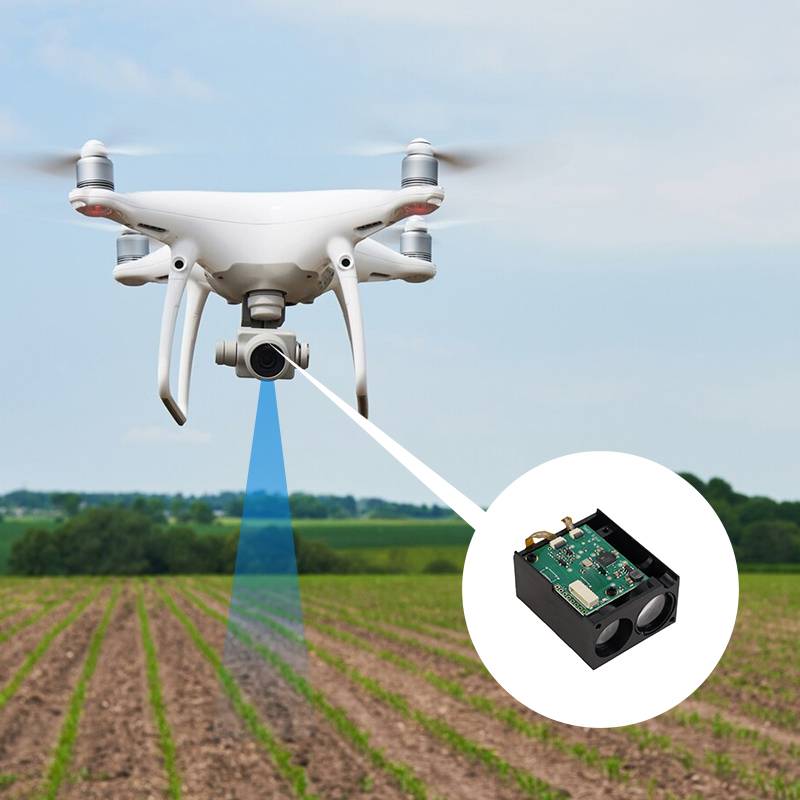
Il Meskernel PTFH è stata progettata specificamente per le applicazioni che richiedono un'elevata velocità di misura in un fattore di forma compatto.
Principali caratteristiche della performance
- Frequenza di misurazione: 100-500 Hz (condizioni di corto raggio)
- Campo di misura: fino a 400 m (a seconda della riflettività)
- Tipo di laser: 905 nm, Classe I (sicurezza per gli occhi)
- Metodo di misurazione: Principio dell'impulso
- Dimensioni compatte: 43 × 35 × 21 mm
- Leggero: ~30 g
Queste caratteristiche fanno del PTFH un pratico sensore di distanza laser veloce per sistemi embedded e mobili.
Applicazioni comuni alla ricerca di sensori di distanza laser veloci
In base al comportamento di ricerca reale e alle consultazioni ingegneristiche, le applicazioni che richiedono più frequentemente l'alta velocità sono le seguenti laser ranging:
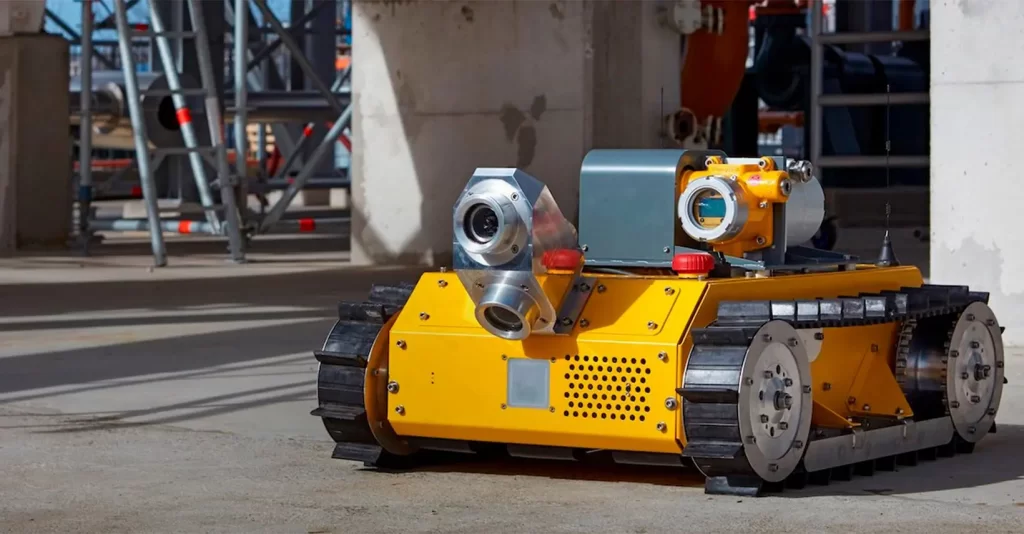
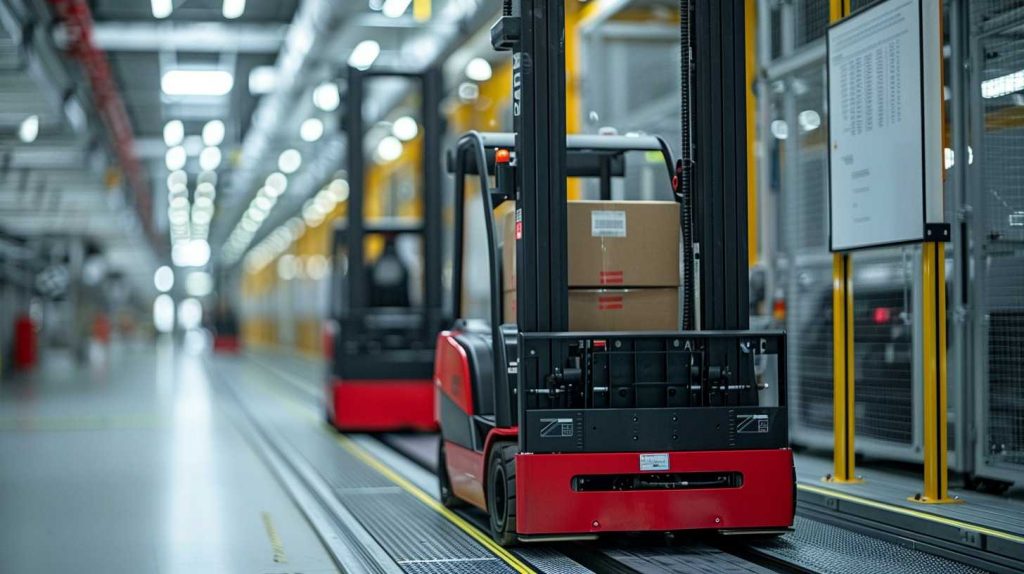
1. Robot mobili e AGV
- Rilevamento dinamico degli ostacoli
- Calcolo dello spazio di frenata
- Correzione del percorso ad alta velocità
- Aggancio e allineamento
Un rapido sensore di distanza laser assicura che il robot reagisca prima che si verifichi una collisione, non dopo.
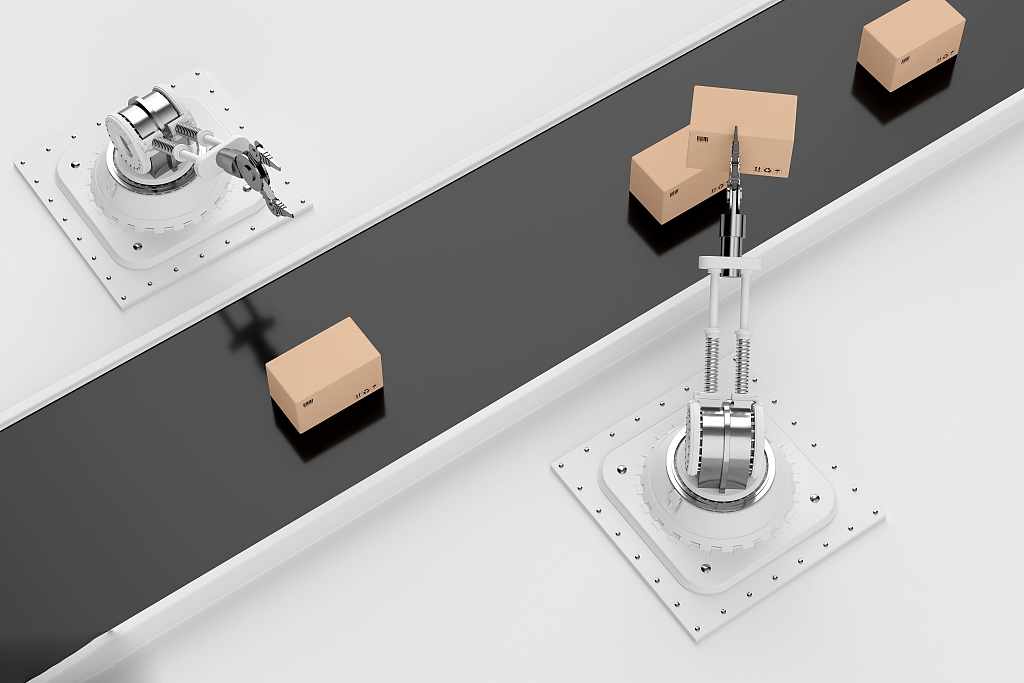
2. Automazione industriale e controllo del movimento
- Monitoraggio della posizione del trasportatore
- Rilevamento rapido del materiale
- Sincronizzazione con parti in movimento
- Tracciamento di oggetti ad alta velocità
La retroazione a distanza ad alta frequenza migliora la stabilità del sistema e riduce la sovraelongazione.
3. Bracci robotici e attuatori lineari
- Feedback di posizione in tempo reale
- Prevenzione delle collisioni
- Rilevamento di fine corsa
La velocità di aggiornamento è particolarmente utile quando il movimento meccanico è continuo piuttosto che a passi.
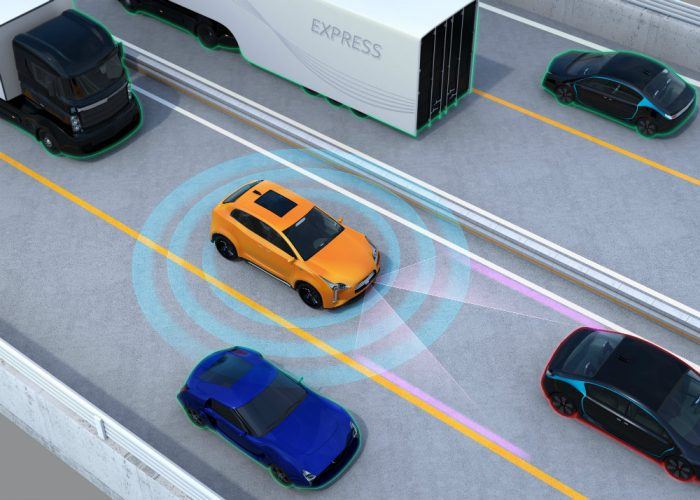
4. Veicoli intelligenti e piattaforme integrate
- Carrelli autonomi
- Robot di consegna
- Arduino / Sistemi basati su STM32
Dimensioni compatte, basso consumo energetico e UART comunicazione semplificano l'integrazione.

Interfacce di comunicazione e integrazione di sistema
Un sensore veloce è efficace solo se i dati possono essere trasmessi senza ritardi. La serie PTFH supporta:
- TTL (3,3 V) UART per il collegamento diretto all'MCU
- RS232 / RS485 per i sistemi industriali
- Velocità di trasmissione predefinita: 115200 bps
Questa flessibilità consente di utilizzare lo stesso sensore di distanza laser veloce sia per i prototipi che per le installazioni industriali.
Precisione vs. velocità: ciò che serve davvero agli ingegneri
Un'idea sbagliata comune è che la massima precisione sia sempre la priorità assoluta. Nei sistemi ad alta velocità, la coerenza e la frequenza di aggiornamento sono spesso più importanti della precisione millimetrica.
Requisiti tipici:
- Tendenza stabile della distanza
- Latenza prevedibile
- Misure ripetibili
Per le applicazioni dinamiche, un sensore di distanza laser veloce con un'uscita costante può superare un dispositivo più lento ad altissima precisione.
Domande frequenti (FAQ)
-
Un sensore di distanza laser veloce è migliore dei sensori a ultrasuoni?
Sì. Sensori laser offrono una velocità significativamente più elevata, una portata maggiore e una migliore direzionalità, soprattutto in ambienti rumorosi o in rapido movimento.
-
Questo è considerato LiDAR?
Anche se spesso vengono raggruppati con LiDAR, un veloce sensore di distanza laser a punto singolo che si concentra sulla velocità e sulla semplicità piuttosto che sulla scansione o sulla mappatura, rendendolo ideale per i sistemi di controllo incorporati.
-
Può funzionare all'aperto?
Sì. Le prestazioni dipendono dalla riflettività del bersaglio e dalla luce ambientale. L'uso di piastre target migliora la stabilità in presenza di forte luce solare.
-
Può essere personalizzato?
Sì. Parametri come la gamma, la frequenza, il baud rate, l'interfaccia e la tolleranza di temperatura possono essere personalizzati per progetti specifici.
-
Come scegliere il giusto sensore laser di distanza veloce
Quando si sceglie un sensore di distanza ad alta velocità, è bene tenere conto di quanto segue:
Frequenza di aggiornamento richiesta (Hz)
Temporizzazione dell'anello di controllo
Distanza del bersaglio e riflettività
Compatibilità dell'interfaccia
Vincoli di potenza e dimensioni
L'adattamento della velocità del sensore alla dinamica del sistema è la chiave per ottenere prestazioni affidabili.
La velocità è il nuovo standard
Poiché i sistemi di automazione sono sempre più veloci e intelligenti, la velocità di misurazione della distanza non è più un optional. Un sensore di distanza laser veloce consente di prendere decisioni in tempo reale, di rendere più sicuro il movimento e di aumentare l'efficienza del sistema.
La serie Meskernel PTFH offre la velocità di aggiornamento, il design compatto e la flessibilità di integrazione richiesti dai moderni progetti di robotica e automazione, rappresentando una scelta importante per gli ingegneri che danno priorità alla velocità, alla stabilità e alle prestazioni reali.