If you are comparing phase-based vs pulse distanza laser sensors, you are probably responsible for more than just selecting a component. You are responsible for whether a system works reliably after installation, how much time is spent debugging issues, and how often the sensor becomes a source of complaints or rework.
This article is written for engineers and buyers who need to make a safe, practical decision—not a theoretical one.
Why This Choice Matters in Real Projects
On paper, many sensori di distanza laser look similar. Accuracy, resolution, and range are often presented as clean numbers. In real projects, however, problems usually come from elsewhere:
- Readings become unstable after deployment
- Performance changes under sunlight or dust
- Different target materials produce inconsistent results
- Systems that worked in testing fail in daily operation
In many cases, these issues are tied directly to the measurement principle of the sensor.
Typical Applications for Laser Distance Sensors
Laser distance sensors are commonly used in:
- Industrial automation and positioning
- Mobile robots (AGVs, AMRs)
- Warehousing and logistica sistemi
- Level, height, and gap measurement
- Outdoor monitoring and infrastructure
The same sensor technology does not perform equally well in all of these environments.
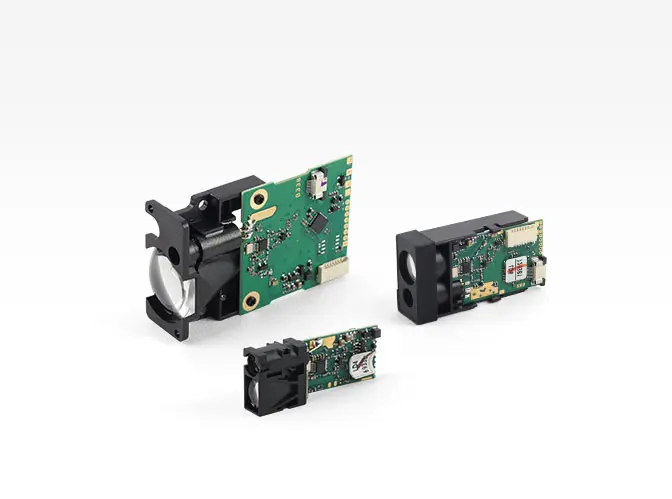
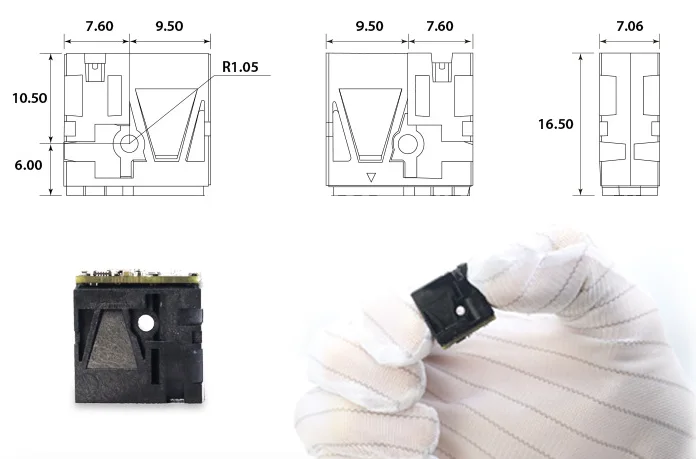
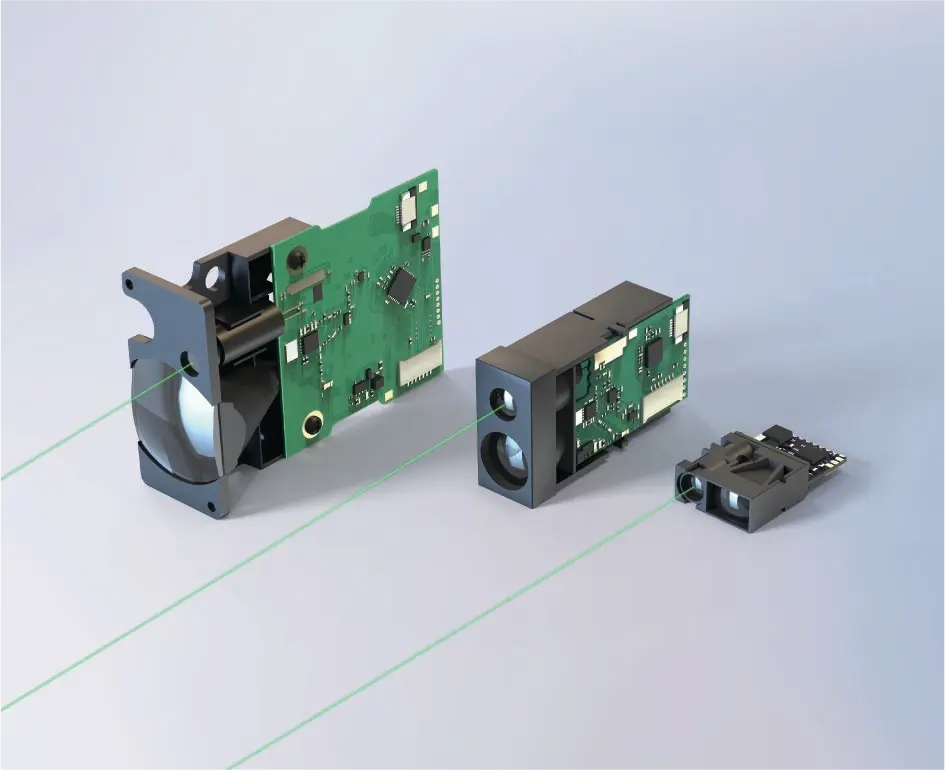
Phase-based sensors emit a continuous, modulated laser signal. Distance is calculated from the phase difference between the transmitted signal and the reflected signal.
- Short measurement distances
- Controlled indoor environments
- Applications requiring very fine resolution
- Cost-sensitive projects
These sensors are compact, fast, and widely used in factory automation and enclosed systems.
Limitations to Be Aware Of
- Sensitivity to strong ambient light
- Reduced stability on dark, matte, or angled surfaces
- Performance degradation in dusty or hazy environments
- Greater variation when conditions change over time
In practice, phase-based sensors tend to work best when the environment stays predictable.
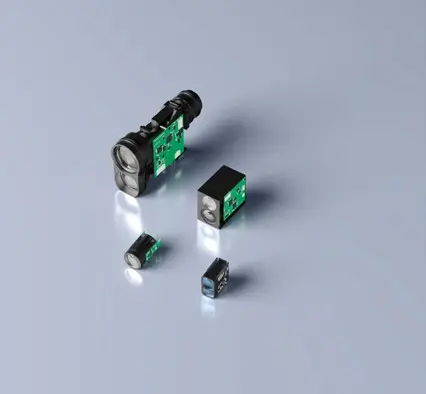
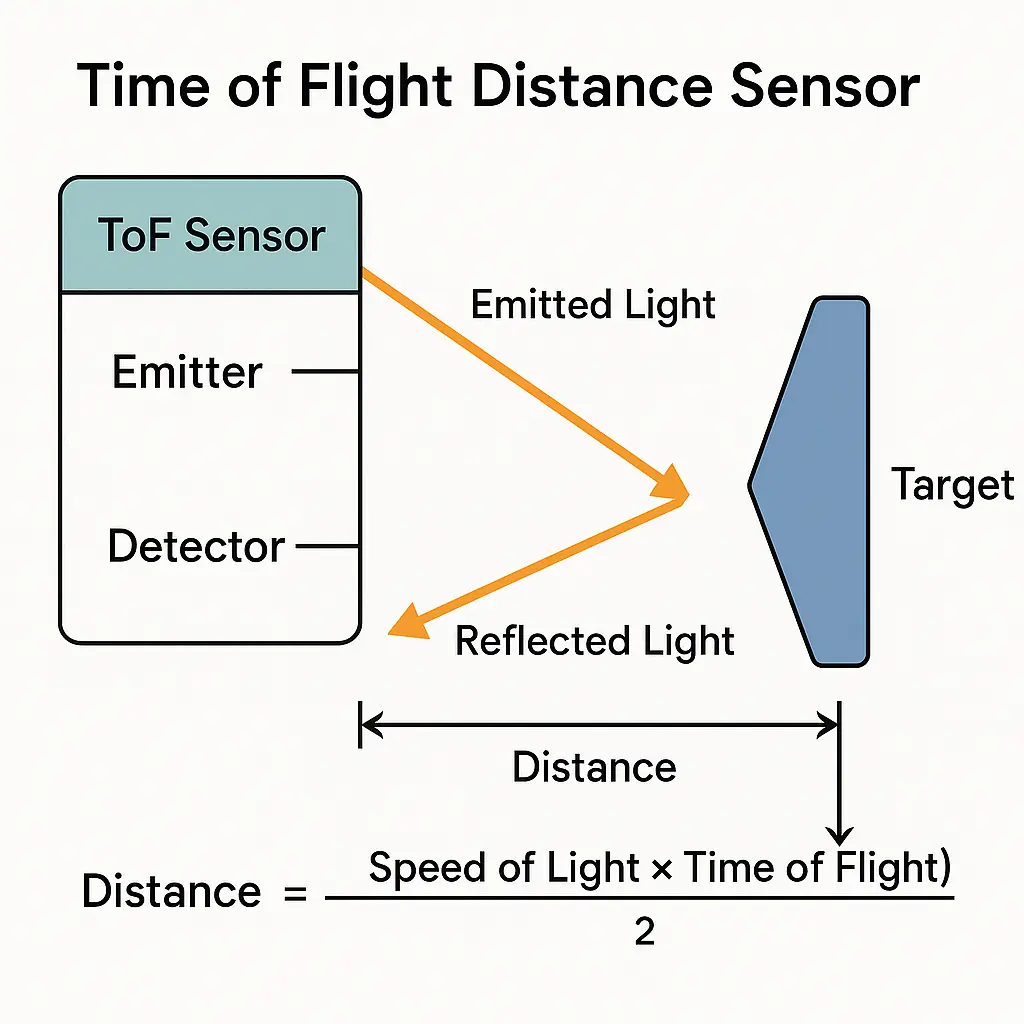
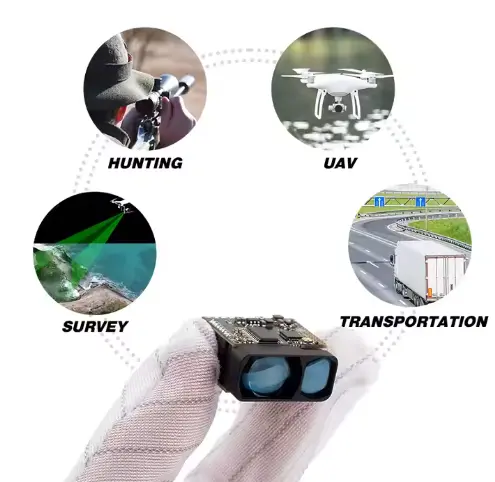
Pulse laser distance sensors, often referred to as Time-of-Flight (ToF) sensors, emit short laser pulses and measure how long the pulse takes to return from the target.
- Medium to long measurement distances
- Outdoor or semi-outdoor environments
- Dusty warehouses and logistics areas
- Applications with mixed target materials
Pulse sensors are generally more tolerant of environmental noise and changes.
Trade-Offs to Consider
- Higher unit cost
- Higher peak current during measurement
- A minimum measurement distance may apply
For many systems, these trade-offs are acceptable when reliability is a priority.
Practical Comparison: What Buyers Notice in the Field
| Aspect | Phase-Based Sensors | Pulse (ToF) Sensors |
|---|
| Best distance range | Da breve a medio | Medio-lungo |
| Sunlight resistance | Moderato | Strong |
| Dust and fog tolerance | Limitato | Strong |
| Target surface flexibility | Sensitive | Robust |
| Stability over time | Environment-dependent | Consistent |
| Typical troubleshooting effort | Medio | Basso |
This table reflects field behavior, not just datasheet specifications.
What Often Causes Problems After Installation
Environmental Changes
Lighting conditions, dust levels, and surface wear often change after a system goes live. Phase-based sensors are more likely to show drift or instability under these conditions.
Target Material Variation
Real targets are rarely ideal. Black rubber, matte plastic, and angled metal surfaces are common in industrial and robotic systems. Pulse sensors generally handle these variations more consistently.
Multiple Sensors in the Same Area
In systems with multiple robots or sensors operating together, signal interference is easier to manage with pulse-based designs.
Choosing Based on Your Application
Phase-Based Sensors Are a Good Choice If:
- The system operates indoors only
- Lighting conditions are controlled
- Measurement distances are short
- Budget and compact size are important
Common uses:
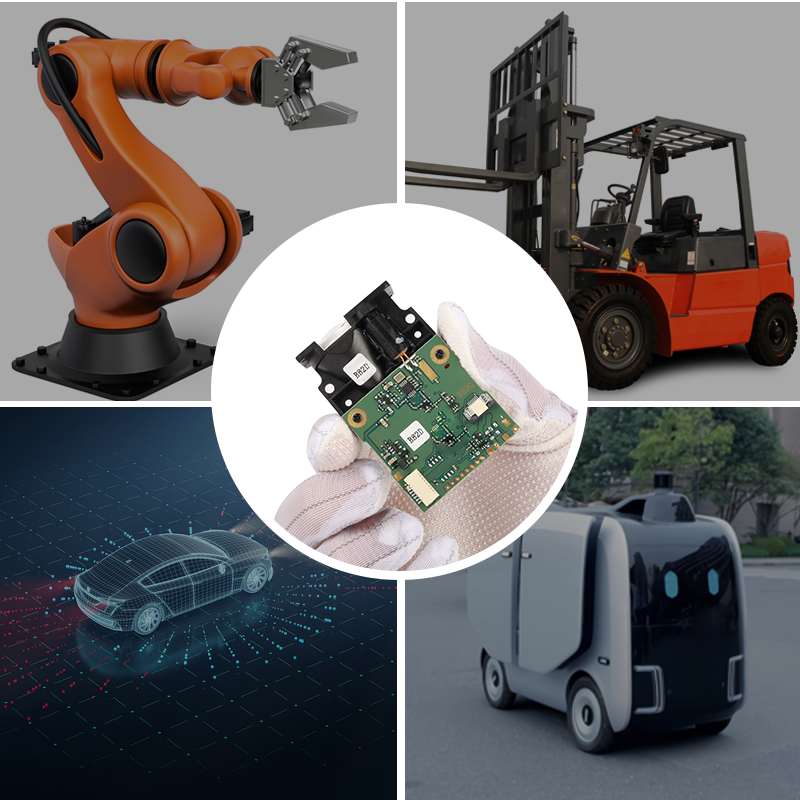
Factory automation, enclosed equipment, precision positioning at short range
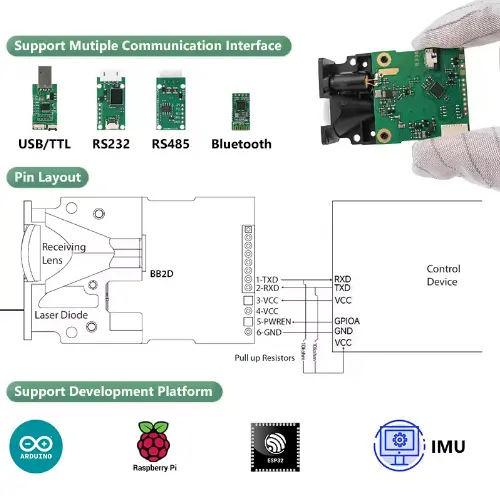
Pulse Laser Distance Sensors Are a Better Choice If:
- The sensor may be exposed to sunlight
- Dust or airborne particles are present
- Target materials vary
- The sensor is mounted on a moving platform
- Long-term stability is critical
Common uses:
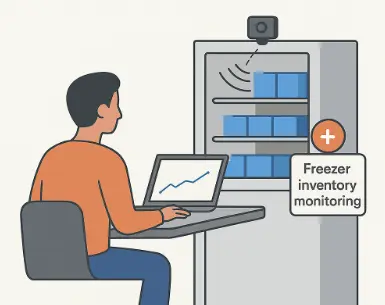
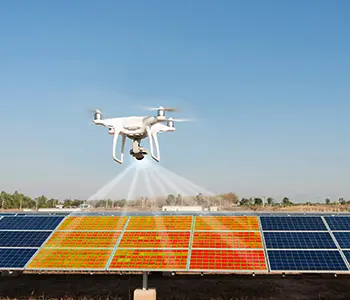
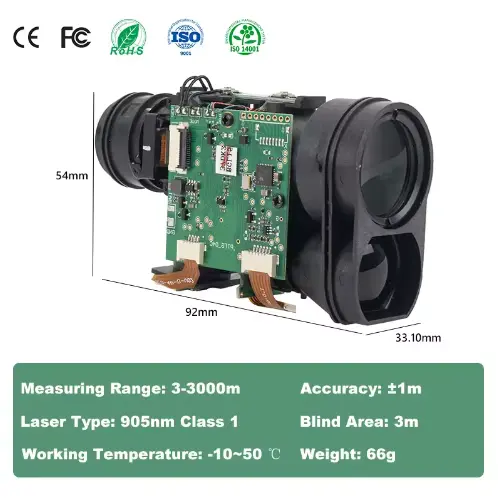
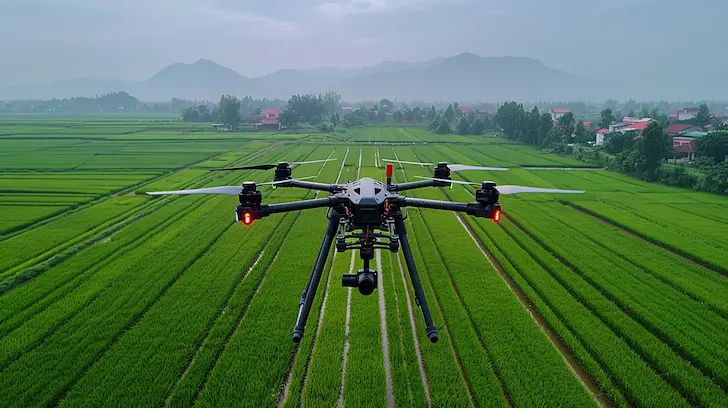
Mobile robots, logistics centers, outdoor measurement, infrastructure monitoring
Questions Engineers and Buyers Should Ask Before Purchasing
- How does performance change in direct sunlight?
- How sensitive is the sensor to target color and surface angle?
- What happens to accuracy at long distances?
- How much tuning is required after installation?
- What are the typical causes of field failures?
Clear answers to these questions often reveal more than specifications alone.
A Simple Decision Rule
- Choose a phase-based sensor when the environment is stable and predictable.
- Choose a pulse laser sensore di distanza when conditions are variable and reliability matters most.
If downtime, service calls, or redesigns are costly, the more robust option usually pays for itself.
Pensieri finali
The choice between phase-based vs pulse laser distance sensors is not about which technology is more advanced. It is about which one fits your operating conditions and risk tolerance.
Phase-based sensors offer excellent performance in controlled environments. Pulse laser distance sensors offer stronger resistance to real-world variability.
For many industrial and robotic systems, pulse-based technology reduces uncertainty and long-term maintenance effort, making it the safer choice for deployment.
FAQ
What is the main difference between phase-based and pulse laser distance sensors?
The main difference lies in how distance is measured.
Phase-based laser distance sensors calculate distance by measuring the spostamento di fase of a continuous laser signal, while pulse laser distance sensors measure the time it takes for a laser pulse to travel to the target and return. This difference directly affects range, environmental tolerance, and long-term stability.
Which is better: phase-based or pulse laser distance sensors?
Neither technology is universally better.
Phase-based sensors work well in controlled indoor environments and short distances, while pulse laser distance sensors perform better in outdoor, dusty, or variable conditions where stability and reliability are more important.
Why do phase-based laser distance sensors struggle in sunlight?
Phase-based sensors use continuous modulated signals, which are more sensitive to strong ambient light. Sunlight can introduce ottico noise and reduce signal quality, leading to unstable or inaccurate readings.
Are pulse laser distance sensors more reliable in real-world applications?
Yes, in most real-world environments.
Pulse laser distance sensors are generally more resistant to sunlight, dust, and varying target materials, which makes their performance more consistent after deployment.
Which laser distance sensor is better for mobile robots?
Are phase-based laser distance sensors more accurate than pulse sensors?
Phase-based sensors can offer higher resolution at short distances.
However, pulse sensors often deliver more stable accuracy across longer distances and changing environments, which is usually more valuable in real applications.
How does target material affect laser distance sensor performance?
Target color, reflectivity, and surface angle all affect performance.
Dark, matte, or angled surfaces tend to cause more issues for phase-based sensors, while pulse sensors generally handle a wider range of materials more consistently.
Which laser distance sensor requires less maintenance?
Pulse laser distance sensors typically require less tuning and adjustment after installation.
Phase-based sensors may need more frequent recalibration if environmental conditions change.
Are pulse laser distance sensors always more expensive?
Pulse sensors are usually more expensive upfront, but they often reduce long-term costs by minimizing downtime, troubleshooting, and sensor replacement.
How do I choose between phase-based and pulse laser distance sensors?
Start by evaluating your environment.
If lighting, dust, and target surfaces are stable and predictable, a phase-based sensor may be sufficient. If conditions are variable or reliability is critical, a pulse laser distance sensor is the safer choice.