Wyjaśnienie czujników odległości I2C: Najlepszy wybór dla Arduino i Raspberry Pi?
Pomiar odległości is essential in many modern electronics projects, from robot nawigacja oraz Omijanie przeszkód do automatyki przemysłowej i inteligentnych urządzeń.
Dla deweloperów pracujących z Arduino lub Raspberry Pi, wybór odpowiedniego interfejsu komunikacyjnego jest równie ważny jak wybór samego czujnika.
Wśród dostępnych interfejsów, Czujniki odległości I2C stały się jednym z najpopularniejszych wyborów, ponieważ oferują:
- proste okablowanie
- niezawodna komunikacja cyfrowa
- kompatybilność z wieloma mikrokontrolery
- Łatwa integracja z systemami wbudowanymi
W tym przewodniku wyjaśnimy, jak działają czujniki odległości I2C, porównamy je z innymi interfejsami czujników i zbadamy, dlaczego są one często najlepszą opcją dla projektów Arduino i Raspberry Pi.
Co to jest czujnik odległości I2C?
I2C czujnik odległości jest Pomiar bezdotykowy czujnik komunikujący się z mikrokontrolerem za pomocą protokołu I2C (Inter-Integrated Circuit).
Zamiast wyprowadzania analogowy sygnały napięciowe lub impulsowe, czujnik wysyła cyfrowe dane odległości przez magistralę I2C.
Typowe komponenty obejmują:
- emiter laserowy lub źródło podczerwieni
- odbiornik optyczny
- układ przetwarzania sygnału
- Interfejs komunikacyjny I2C
Czujniki te mierzą odległość do obiektu i przesyłają wartość bezpośrednio do kontrolera.
Typowe technologie stosowane w czujnikach odległości I2C obejmują:
Ponieważ dane są już zdigitalizowane, mikrokontroler może odczytać dokładne wartości odległości bez skomplikowanego przetwarzania analogowego.
Dlaczego czujniki I2C są idealne dla Arduino i Raspberry Pi?
W porównaniu z analogowymi lub UART czujniki, moduły I2C oferują kilka korzyści dla programistów wbudowanych.
1. Minimalne okablowanie
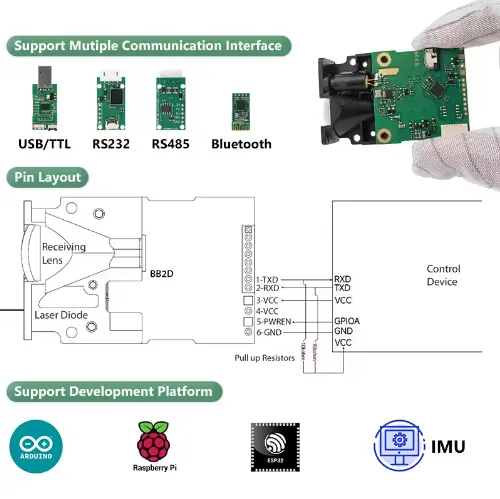
I2C wymaga tylko dwóch linii komunikacyjnych:
Wraz z zasilaniem i uziemieniem sprawia to, że okablowanie jest bardzo proste.
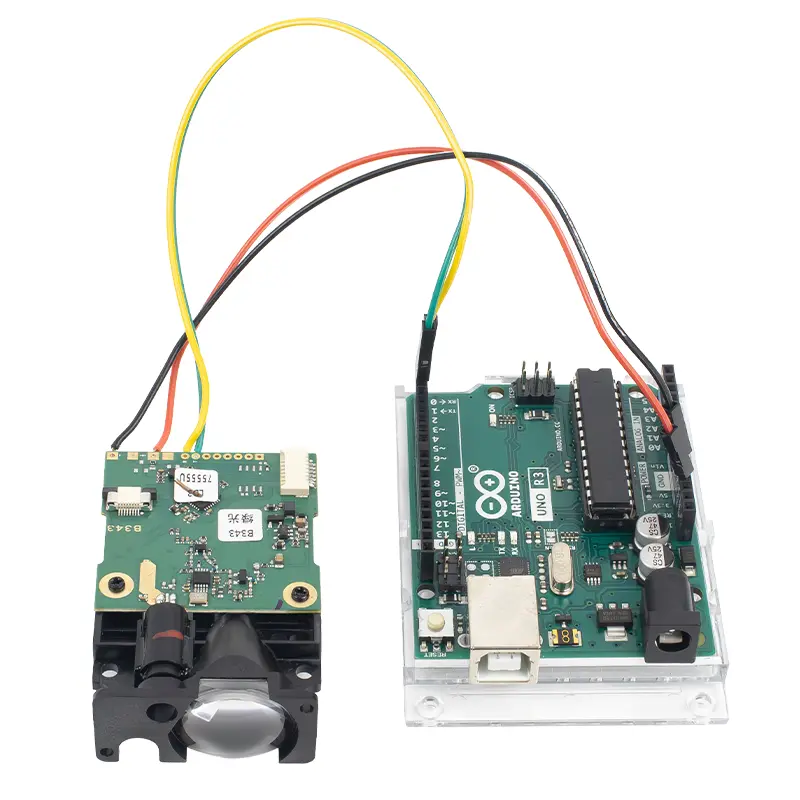
Typowe połączenie Arduino:
Czujnik SDA → Arduino SDA
SCL czujnika → SCL Arduino
VCC czujnika → 5 V lub 3,3 V
GND czujnika → GND
W przypadku Raspberry Pi połączenie jest podobne przy użyciu pinów I2C GPIO.
2. Wiele czujników na jednej magistrali
Jedną z największych zalet I2C jest adresowanie urządzeń.
Wiele czujników może współdzielić tę samą magistralę.
Przykładowy system:
- czujnik odległości
- czujnik temperatury
- akcelerometr
- Wyświetlacz OLED
Wszystko połączone za pomocą tylko dwóch przewodów komunikacyjnych.
Jest to niezwykle przydatne dla:
- robotyka
- Urządzenia IoT
- drony
- systemy wbudowane
3. Dokładność cyfrowa
W przeciwieństwie do analogowe czujniki odległości, Czujniki I2C generują przetworzone pomiary cyfrowe, co zmniejsza szumy i poprawia niezawodność.
Jest to szczególnie ważne w przypadku:
- automatyka przemysłowa
- robotyka precyzyjna
- aplikacje pomiarowe
Rodzaje czujników odległości I2C
W zależności od wymagań dotyczących zakresu i dokładności stosowane są różne technologie pomiarowe.
1. Czujniki czasu przelotu (ToF) I2C
Czujniki ToF mierzy czas, w jakim emitowane światło odbija się od obiektu.
Zalety:
- kompaktowy
- szybki pomiar
- dobra celność na krótkich dystansach
Typowe zastosowania:
- przeszkoda wykrywanie
- inteligentne urządzenia
- robotyka
2. Laserowe czujniki odległości
Moduły dalmierzy laserowych wykorzystują impulsowy laser i mierzą opóźnienie czasowe odbitego sygnału.
Zalety:
- Dłuższy zakres pomiarowy
- wyższa precyzja
- Nadaje się do użytku na zewnątrz
Typowe zastosowania:
- Pomiar wysokości drona
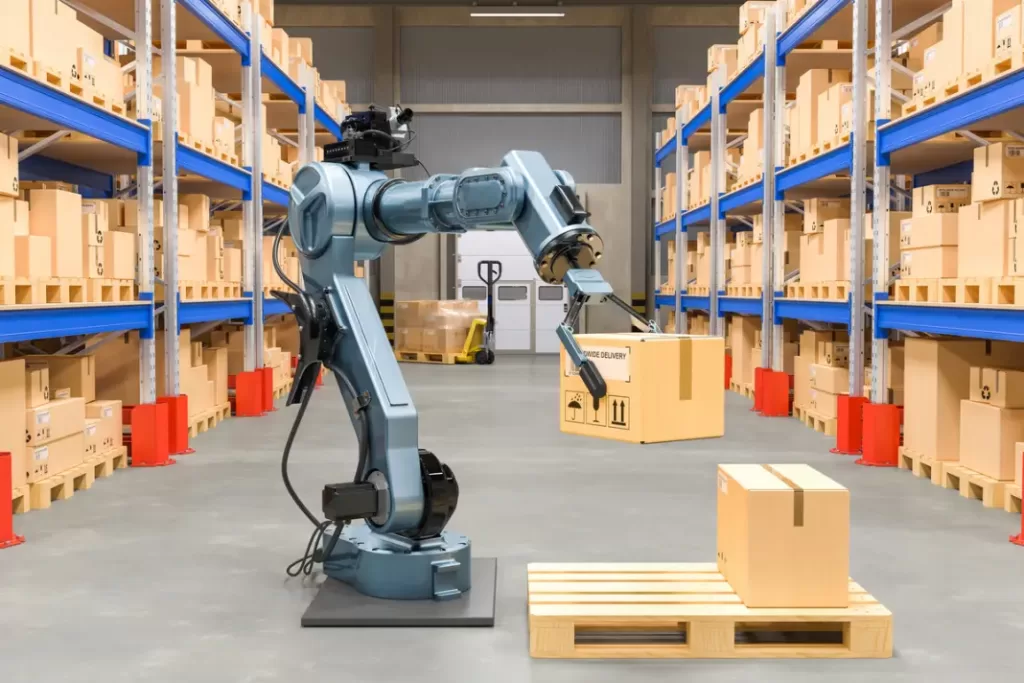
- automatyzacja magazynu
- pozycjonowanie przemysłowe
3. Przemysłowe czujniki optyczne
Czujniki przemysłowe łączą w sobie optykę laserową i cyfrowe interfejsy komunikacyjne, takie jak I2C lub RS485.
Są one przeznaczone dla:
- trudne warunki
- Wykrywanie dalekiego zasięgu
- wysoka stabilność
Przykładowy kod Arduino dla czujnika odległości I2C
Prosty przykład Arduino wykorzystujący bibliotekę Wire może wyglądać następująco:
#include #define SENSOR_ADDR 0x62void setup() {
  Wire.begin();
  Serial.begin(9600);
}void loop() {
  Wire.beginTransmission(SENSOR_ADDR);
  Wire.write(0x00);
  Wire.endTransmission(); Wire.requestFrom(SENSOR_ADDR, 2); if (Wire.available()) {
    int distance = Wire.read() << 8 | Wire.read();
    Serial.println(distance);
  } delay(100);
}
Ten kod odczytuje wartość odległości bezpośrednio z czujnika przez magistralę I2C.
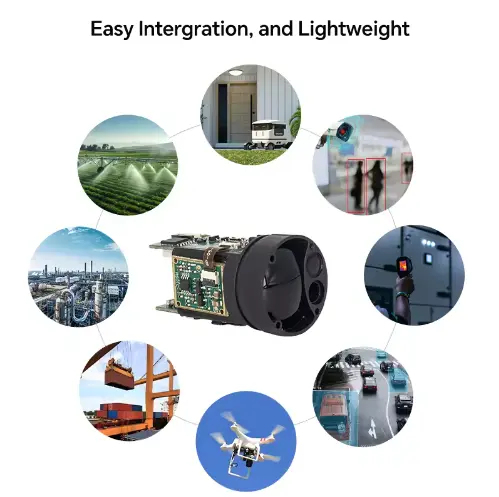
Zastosowania czujników odległości I2C
Czujniki odległości I2C są szeroko stosowane zarówno w Projekty DIY i systemy przemysłowe.
Robotyka
Unikanie przeszkód i nawigacja.
Inteligentne urządzenia
Interfejsy bezdotykowe i wykrywanie gestów.
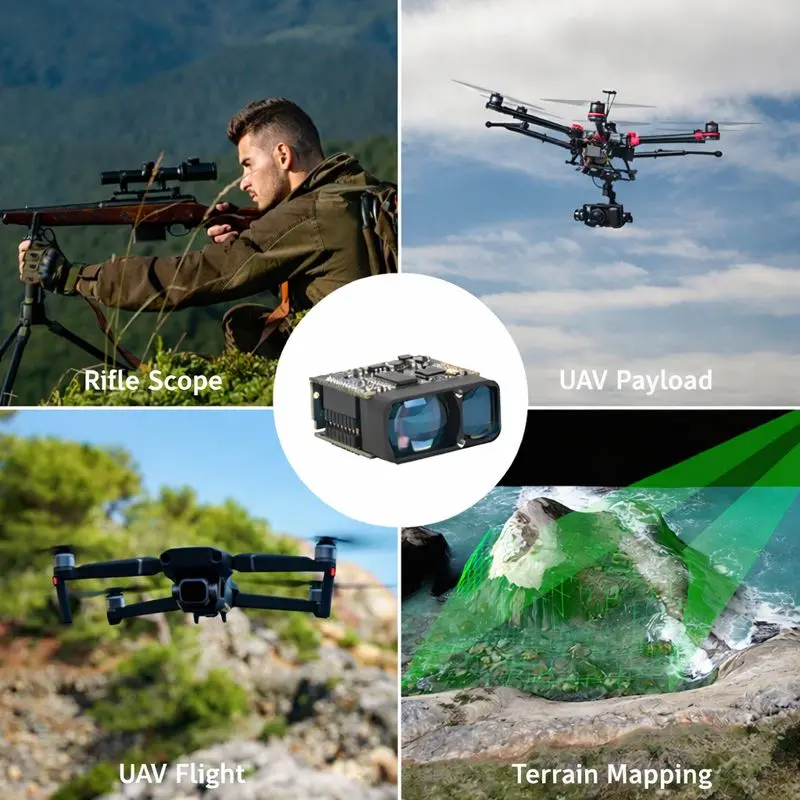
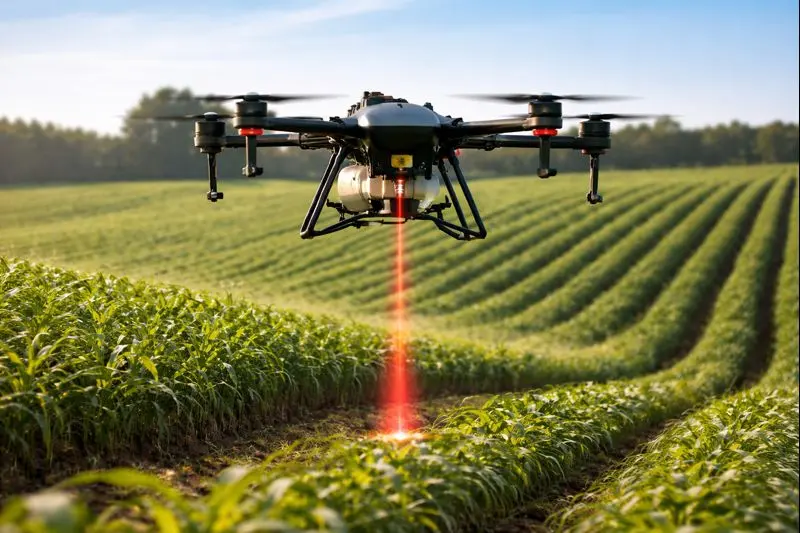
Drony i bezzałogowe statki powietrzne
Pomiar wysokości i wspomaganie lądowania.
Automatyka przemysłowa
Pozycjonowanie obiektów i monitorowanie odległości.
Inteligentne rolnictwo
Monitorowanie poziomu ziarna i automatyzacja przechowywania.
Wybór najlepszego czujnika odległości I2C
Kiedy wybór czujnika, Należy wziąć pod uwagę następujące czynniki:
| Czynnik | Dlaczego to ma znaczenie |
|---|
| Zakres pomiarowy | Aplikacje krótkiego i dalekiego zasięgu |
| Dokładność | Wymagana precyzja pomiaru |
| Kompatybilność interfejsu | Obsługa Arduino / Raspberry Pi |
| Częstotliwość próbkowania | Potrzeby w zakresie pomiarów w czasie rzeczywistym |
| Środowisko | Warunki wewnętrzne i zewnętrzne |
Na przykład:
- projekty robotyki może potrzebować tylko 2-4 m zasięgu
- automatyka przemysłowa może wymagać 10-100 m
Zalecane moduły laserowych czujników odległości
Do zastosowań wymagających dłuższych zakresów pomiarowych i wyższej dokładności, odległość lasera lepszym rozwiązaniem mogą być moduły z interfejsami cyfrowymi.
Na przykład kompaktowy laserowy czujnik odległości moduły mogą zapewnić:
- Dokładność na poziomie milimetra
- stabilny pomiar
- Łatwa integracja z systemami wbudowanymi
Więcej opcji można znaleźć tutaj:
➡ Moduły laserowych czujników odległości
Moduły te są szeroko stosowane w:
- robotyka
- UAV
- automatyka przemysłowa
- inteligentny logistyka
I2C vs UART vs analogowe czujniki odległości
| Interfejs | Plusy | Wady |
|---|
| I2C | Proste okablowanie, wiele urządzeń | ograniczona długość kabla |
| UART | stabilna komunikacja | tylko jedno urządzenie na port |
| Analogowy | proste wyjście | wrażliwy na hałas |
Dla Arduino i Raspberry Pi, I2C jest zwykle najwygodniejszym interfejsem.
Wnioski
Czujniki odległości I2C oferują potężne połączenie prostej integracji, niezawodnej komunikacji i dokładnych pomiarów cyfrowych.
Dla programistów pracujących z Arduino lub Raspberry Pi, zapewniają one efektywny sposób tworzenia projektów z ich udziałem:
- robotyka
- Systemy IoT
- inteligentne urządzenia
- sprzęt do automatyzacji
Wybierając odpowiednią technologię pomiarową i zakres czujników, inżynierowie mogą budować systemy, które są zarówno precyzyjne, jak i łatwe do wdrożenia.
FAQ
Co to jest czujnik odległości I2C?
Czujnik odległości I2C to bezdotykowe urządzenie pomiarowe, które komunikuje się z mikrokontrolerem za pośrednictwem protokołu cyfrowego I2C, umożliwiając przesyłanie dokładnych danych dotyczących odległości przy użyciu tylko dwóch przewodów komunikacyjnych.
Czy czujniki odległości I2C mogą współpracować z Raspberry Pi?
Tak. Większość czujników odległości I2C jest w pełni kompatybilna z Raspberry Pi, ponieważ Raspberry Pi obsługuje protokół komunikacyjny I2C za pośrednictwem interfejsu GPIO.
Czy czujniki odległości I2C są lepsze od czujników ultradźwiękowych?
W wielu zastosowaniach czujniki optyczne I2C zapewniają wyższą dokładność, szybszą reakcję i lepszą stabilność niż czujniki ultradźwiękowe, zwłaszcza w kompaktowej robotyce lub w środowiskach wewnętrznych.
Jaki jest typowy zasięg czujnika odległości I2C?