Prototype odległość lasera sensors are often the first step in pomiar odległości projects. They enable fast validation of concepts, algorithms, and system layouts. However, many engineering teams underestimate the gap between a working prototype and a production-ready solution.
This article explains what prototype laserowe czujniki odległości do well—and what limitations must be addressed before moving to industrial deployment.
What Is a Prototype Laser Distance Sensor?
A prototype laser czujnik odległości typically refers to:
They are optimized for flexibility and ease of use, not long-term stability.
Why Prototype Sensors Are Ideal in Early Development
Prototype sensors are effective for:
- Proof-of-concept testing
- Verifying distance measurement principles
- Developing signal processing algorithms
- Rapid iteration during early design stages
At this stage, accessibility matters more than robustness.
Common Limitations During Field Testing
Problems usually appear when prototypes leave the lab:
- Sensitivity to ambient sunlight
- Measurement drift with temperature
- Limited sampling stability
- Inconsistent results across units
- Lack of industrial interfaces
These issues become critical when:
- Continuous operation is required
- Outdoor environments are involved
- Safety or reliability is a concern
When to Transition Beyond Prototype Sensors
You should consider upgrading when:
- Field test data becomes inconsistent
- Environmental conditions affect accuracy
- Production scaling is planned
- Customer validation requires repeatability
This transition is discussed in detail in the broader guide “Od prototypu do przemysłowego laserowego czujnika odległości”, which explains how measurement requirements evolve across development stages.
Key Takeaway
Prototype laser distance sensors are essential for innovation—but they are not designed for industrial reliability. Recognizing their limits early prevents costly redesigns later.
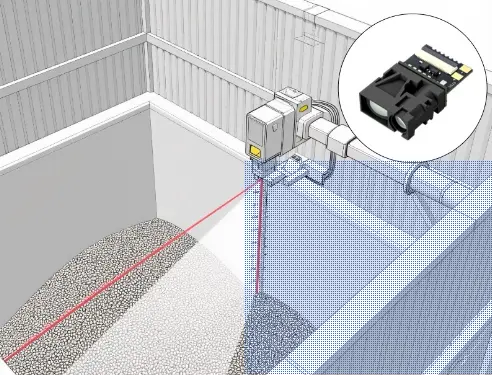
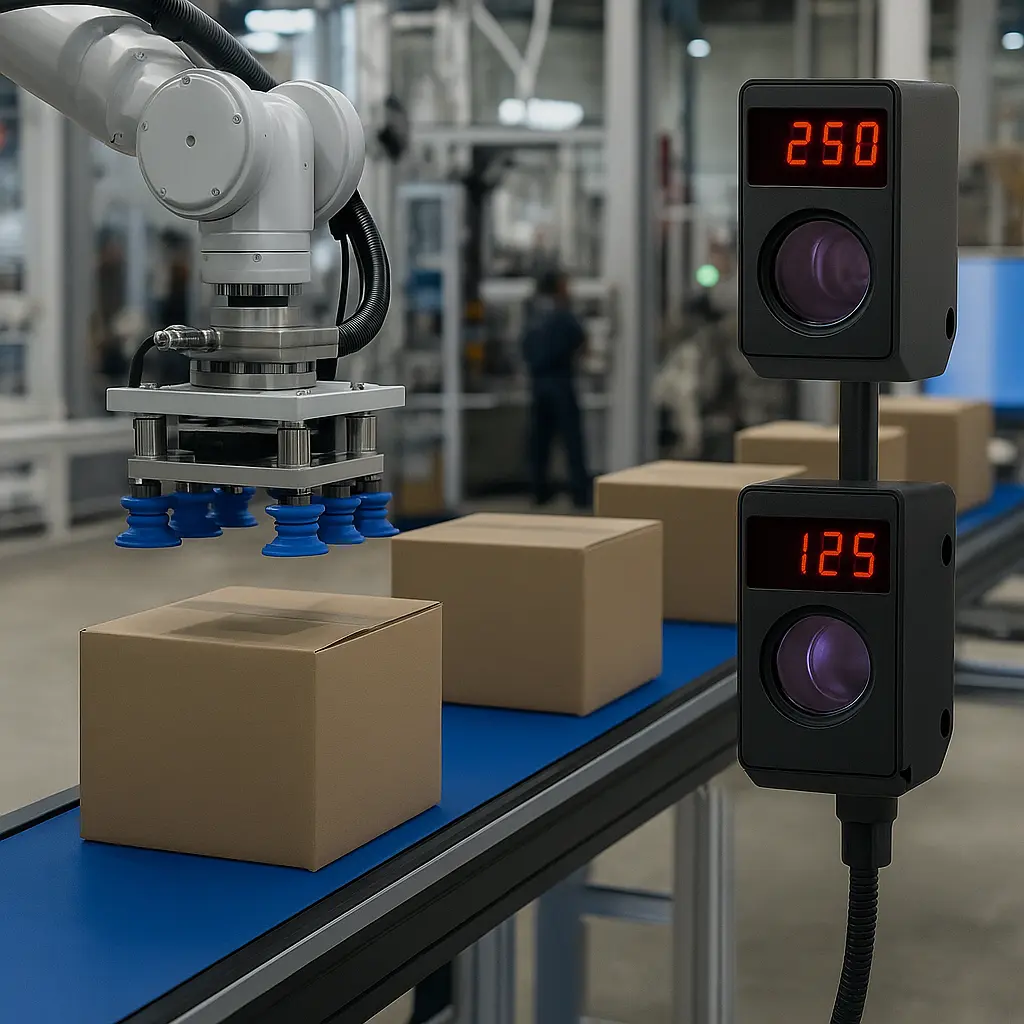
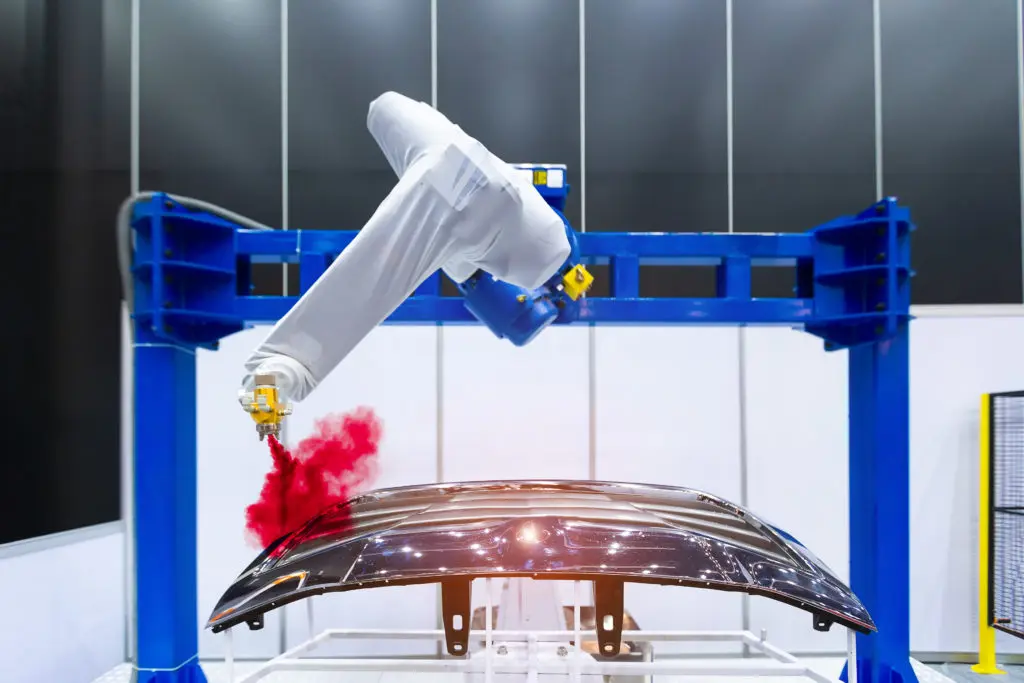

Engineers often rely on real-world testing to validate early designs. You can see examples of real-world laser distance sensor testing videos that demonstrate measurement behavior before moving to production.
FAQ
What is a prototype laser distance sensor typically used for?
Prototype laser distance sensors are mainly used for proof-of-concept testing, algorithm development, and early-stage system validation. They allow engineers to quickly verify measurement principles and system feasibility before committing to industrial hardware.
Are prototype laser distance sensors accurate enough for industrial applications?
Prototype laser distance sensors can be accurate in controlled laboratory conditions, but they generally lack the stability required for industrial applications.
How long can prototype laser distance sensors operate continuously?
Most prototype sensors are not designed for 24/7 operation. Continuous use may lead to signal drift, overheating, or unstable measurement results, especially outside laboratory conditions.
Can prototype laser distance sensors be used outdoors?
In most cases, prototype sensors struggle outdoors due to strong ambient sunlight and environmental interference. Outdoor use typically requires industrial-grade optical filtering and signal processing.
When should a prototype sensor be replaced with an industrial solution?
A transition is recommended when field tests show instability, when environmental factors affect performance, or when the project moves toward production and long-term deployment.