Laser range finding is a core technology behind modern medição de distâncias systems, widely used in industrial automation, robotics, topografia, drones, and smart sensing solutions. This article provides a comprehensive, technically authoritative explanation of laser telémetro principles, compares major ranging technologies, and shows how laser range finding is applied in modern sensor systems.
What Is Laser Range Finding?
Laser range finding is a non-contact distance measurement method that determines the distance between a sensor and a target by emitting a laser beam and analyzing the returned signal. By measuring either the time, phase, or frequency characteristics of the reflected light, laser range finding systems can calculate distance with high precision, even over long ranges.
Compared with ultrasonic or infrared distance measurement, laser-based range finding offers:
- Higher accuracy and resolution
- Longer measurement range
- Better directionality
- Strong adaptability to industrial and outdoor environments
Core Principles of Laser Range Finder
All laser range finding technologies rely on the same basic steps:
- Emit a laser pulse or modulated laser beam toward a target
- Receive the reflected signal
- Analyze the signal characteristics
- Convert ótico information into distance data
The key difference lies in how the distance is calculated, which leads to different system designs and performance characteristics.
Phase-Based vs Pulse-Based Laser Range Finder
Phase-Based Laser Rangefinder
Phase-based laser range finding measures the mudança de fase between a transmitted modulated laser signal and the received reflected signal. The distance is calculated based on the phase difference.
Caraterísticas principais:
Typical applications:
- Sistemas de posicionamento industrial
- Precision automation
- Robótica e AGV navegação
👉 Product : Phase laser distance sensor modules are commonly used in high-precision industrial measurement scenarios where millimeter-level accuracy is required.
Pulse-Based Laser Rangefiner
Pulse-based laser range finder calculates distance by measuring the time of flight (TOF) of a laser pulse traveling to the target and back.
Caraterísticas principais:
- Longo alcance de medição
- Strong adaptability to outdoor environments
- Suitable for fast-moving targets
Typical applications:
- UAV and drone altitude measurement
- Levantamento e cartografia
- Long-range industrial monitoring
👉 Product: Pulse laser rangefinder modules are widely used in long-range measurement systems requiring robust performance under challenging conditions.
Accuracy vs Range: Understanding the Trade-Offs
One of the most important design considerations in laser range finder systems is the trade-off between measurement accuracy and maximum range.
| Technology Type | Exatidão | Gama de medição | Caso de utilização típico |
|---|
| Phase-Based | Muito elevado | Short–Medium | Precision automation |
| Pulse-Based | Medium–High | Longo | Outdoor & UAV systems |
In practice, system designers must balance:
- Exatidão necessária
- Target reflectivity
- Environmental light conditions
- System cost and complexity
Typical Laser Range Finding Systems
A complete laser range finder system usually consists of:
- Laser emitter (VCSEL or laser diode)
- Optical transmitting and receiving lenses
- Photodetector (PIN or APD)
- Signal processing circuitry
- Embedded algorithm and interface
Moderno telémetro laser sensors integrate these components into compact modules, making them easy to embed into OEM systems.
How Laser Range Finding Is Used in Modern Sensors
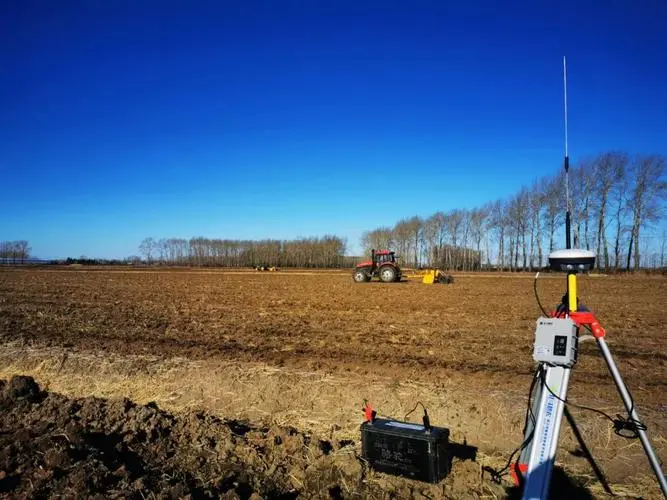
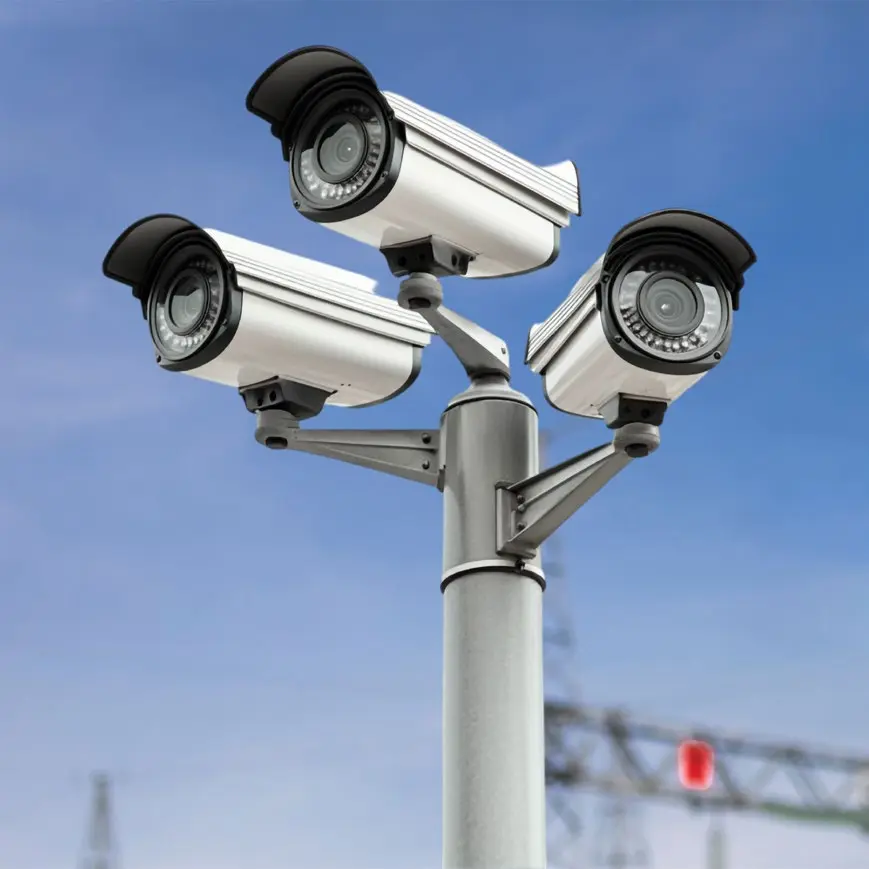
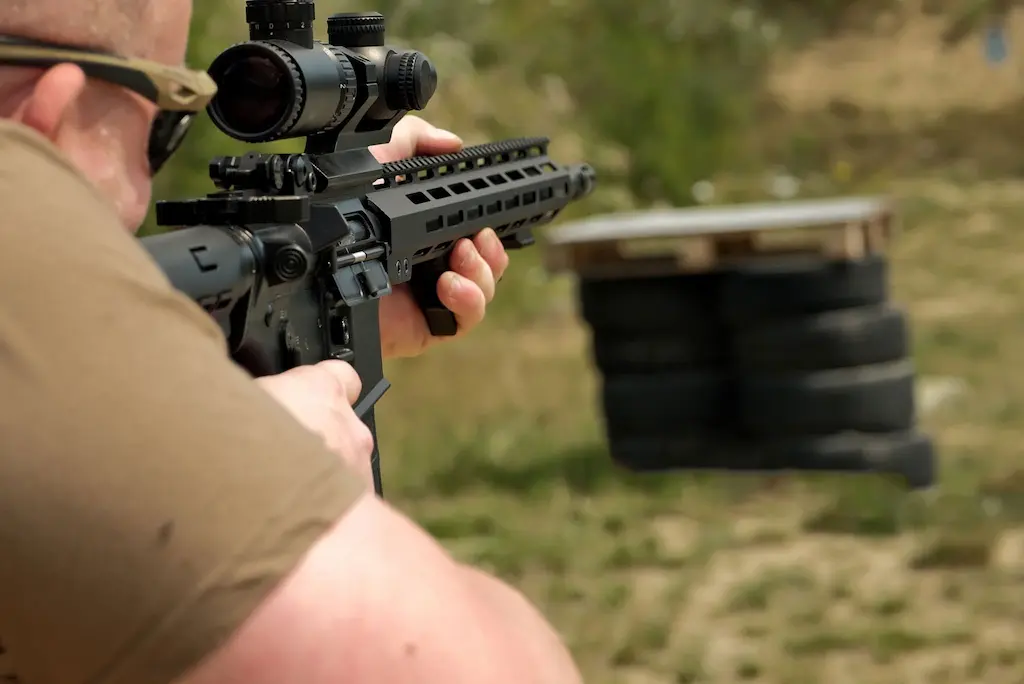
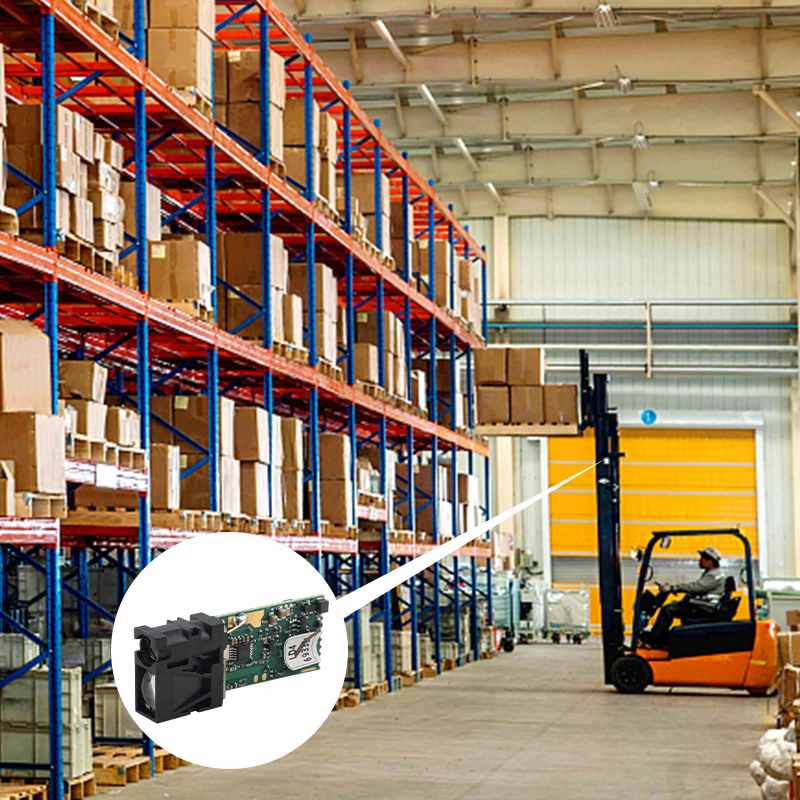
Laser range finder technology is at the heart of many modern sensing solutions:
By combining laser rangefinder with advanced signal processing and digital interfaces, modern sensors deliver reliable, real-time distance data for complex applications.
 Arduino Distância do laser Sensores

Choosing the Right Laser Range Finding Solution
When selecting a laser rangefinder sensor or module, key factors to consider include:
- Measurement range requirements
- Accuracy and resolution
- Target surface characteristics
- Environmental conditions
- Integration interface (UART, CAN, análogo output)
OEM-ready laser rangefinder modules simplify system integration while maintaining high performance and reliability.
FAQ: Laser Range Finding
-
What is laser range finding used for?
Laser range finding is used for non-contact distance measurement in applications such as industrial automation, robotics navigation, drone altitude control, surveying, and smart sensing systems. It provides fast, accurate, and reliable distance data in both indoor and outdoor environments.
-
What is the difference between phase-based and pulse-based laser range finder?
Phase-based laser range finding calculates distance by measuring the phase shift of a modulated laser signal, offering very high accuracy over short to medium ranges. Pulse-based laser range finding measures the time of flight (TOF) of a laser pulse, making it suitable for long-range and outdoor applications.
-
Which laser range finding technology is more accurate?
Phase-based laser range finder is generally more accurate than pulse-based methods, especially at short and medium distances. However, pulse-based systems are preferred when long measurement range is more important than ultra-high precision.
-
How accurate are laser range finding sensors?
The accuracy of laser rangefinder sensors depends on the technology used, target reflectivity, and environmental conditions. Phase-based sensores de distância por laser can achieve millimeter-level accuracy, while pulse-based laser rangefinders typically offer centimeter-level accuracy over long distances.
-
Can laser range finding work outdoors in strong sunlight?
Yes, laser rangefinder can work outdoors, but performance depends on wavelength selection, optical filtering, and signal processing. Pulse-based laser rangefinders are generally better suited for outdoor and high-ambient-light conditions.
-
What factors affect laser range finding performance?
Key factors include target reflectivity, measurement range, ambient light, atmospheric conditions, laser wavelength, and the quality of the receiver and signal processing algorithms.
-
How do I choose the right laser range finding sensor?
To choose the right laser rangefinder sensor, consider required range and accuracy, application environment, target characteristics, output interface, and integration requirements. OEM laser rangefinder modules are ideal for embedded system designs.
Laser range finding is a foundational technology for modern distance measurement systems. By understanding the principles, technologies, and trade-offs between phase-based and pulse-based approaches, engineers and system designers can choose the most suitable solution for their application.
As laser range finding continues to evolve, compact and high-performance módulos de sensores de distância por laser will play an increasingly important role across industrial, robotic, and aerial sensing applications.
https://meskernel.net/distance-sensor-module/