Sensores de Distância Analógicos vs ToF: Que tecnologia se adequa ao seu projeto?
Ao selecionar um sensor de distância um dos comparativos mais comuns que encontrará é o analógico vs. o módulo. Sensores de distância ToF. Estes dois tipos de sensores têm objectivos semelhantes - medir a distância - mas diferem em termos de tecnologia subjacente, precisão, integração e casos de utilização.
Neste guia, vamos explorar as diferenças entre o analógico e o ToF sensores de distância, as suas vantagens e limitações, e qual o tipo mais adequado para a sua aplicação.
1. O que são sensores de distância analógicos e ToF?
A compreensão dos sensores de distância analógicos vs ToF começa com a forma como funcionam.
Sensores de distância analógicos
Os sensores analógicos (como os sensores IR ou ultra-sónicos) emitem um sinal de tensão analógico contínuo que corresponde à distância detectada. Quanto mais longe estiver um objeto, mais baixa ou mais alta é a tensão, dependendo da conceção do sensor.
- Tecnologia: Reflexão infravermelha ou eco ultrassónico
- Saída: Tensão (por exemplo, 0-5V)
- Caso de utilização: Proximidade simples e económica deteção
Sensores de distância ToF (Time-of-Flight)
ToF sensores emitem um feixe de luz (normalmente laser) e medem o tempo que este demora a refletir-se. O resultado é um cálculo exato da distância, emitido como um sinal digital através de UART, I2C, ou outros protocolos.
- Tecnologia: Medição do tempo com base em laser
- Saída: Digital (resolução milimétrica ou centimétrica)
- Caso de utilização: Deteção de distâncias de alta precisão e em tempo real
2. Sensores de distância analógicos vs ToF: Tabela de comparação
Vamos comparar os sensores de distância analógicos com os ToF nas principais métricas técnicas:
| Caraterística | Sensores de distância analógicos | Sensores de distância ToF |
|---|
| Exatidão | Moderado (±5-10%) | Elevado (±1-3%) |
| Gama | 10-150 cm (varia) | 5 cm - 4000+ cm |
| Tipo de saída | Tensão analógica | Digital (UART/I2C) |
| Resistência ambiental | Afetado pela luz/ruído | Mais estável em condições de luz variáveis |
| Custo | Baixa | Moderado a elevado |
| Complexidade da configuração | Muito fácil | Requer configuração de protocolo |
| Melhor caso de utilização | Projectos básicos | Industrial/robótica/drones |
Como mostrado acima, Os sensores de distância analógicos e ToF diferem drasticamente em termos de desempenho e requisitos de integração.
3. Aplicações típicas
Quando utilizar sensores analógicos
- Eletrónica de entrada e educação STEM
- Alertas de proximidade básicos
- Projectos de baixo custo com exigências mínimas de precisão
Quando utilizar sensores ToF
- Robótica com desvio de obstáculos
- Sistemas de medição industrial
- Dispositivos inteligentes de consumo (por exemplo, smartphones, robots aspiradores)
A escolha entre sensores de distância analógicos e ToF depende em grande parte dos requisitos técnicos e do ambiente de funcionamento do seu projeto.
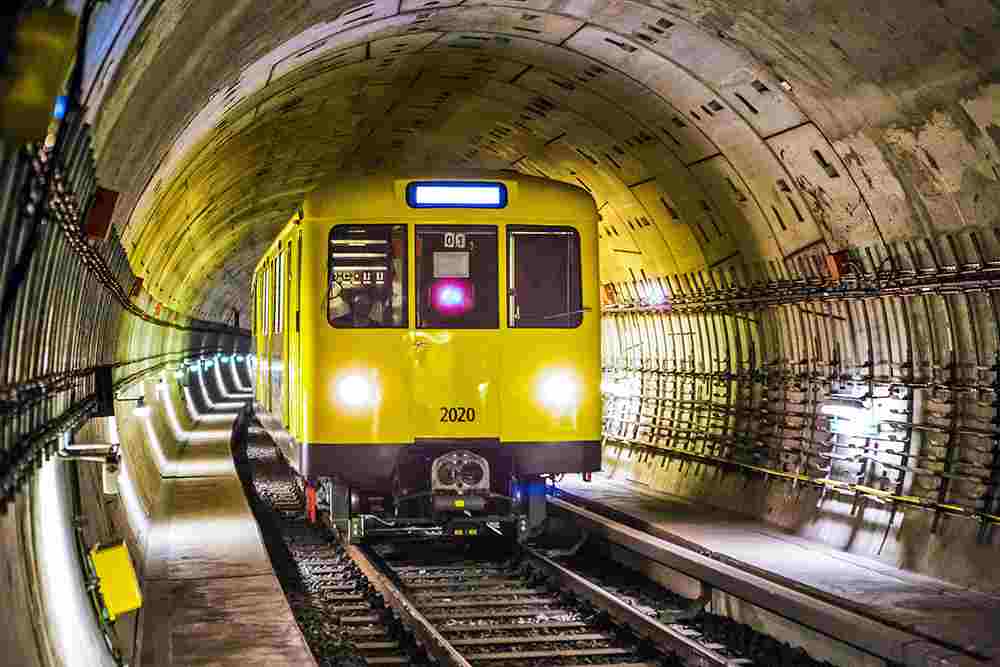 Tempo de voo sensores
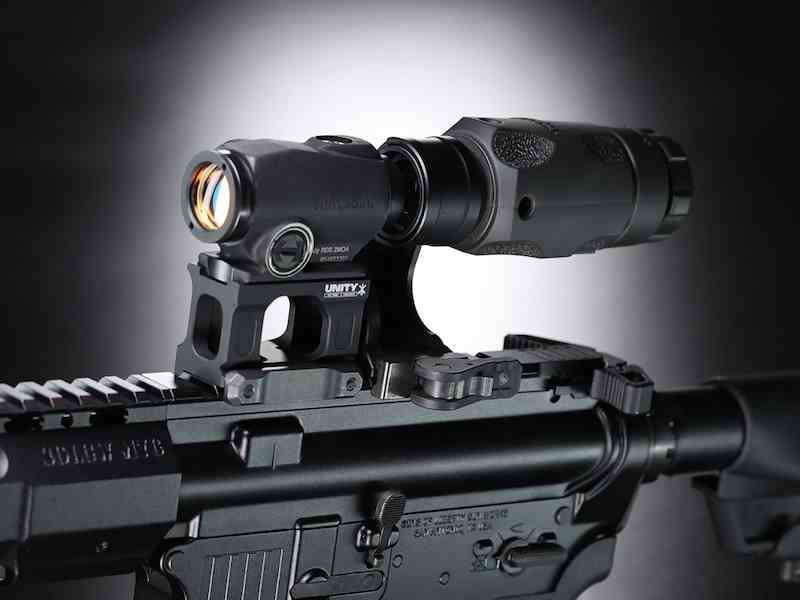 Telêmetro a laser para Caça
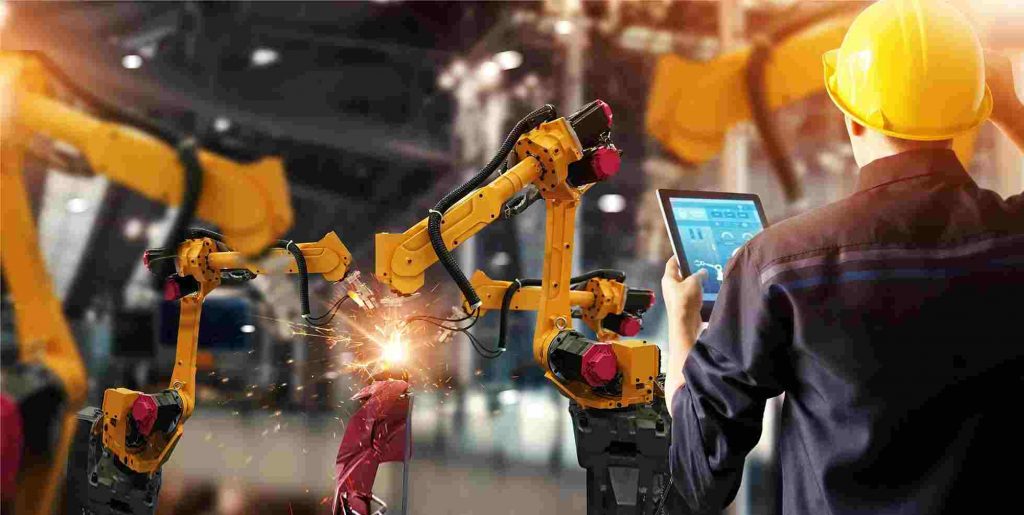 sensores de distância para robots
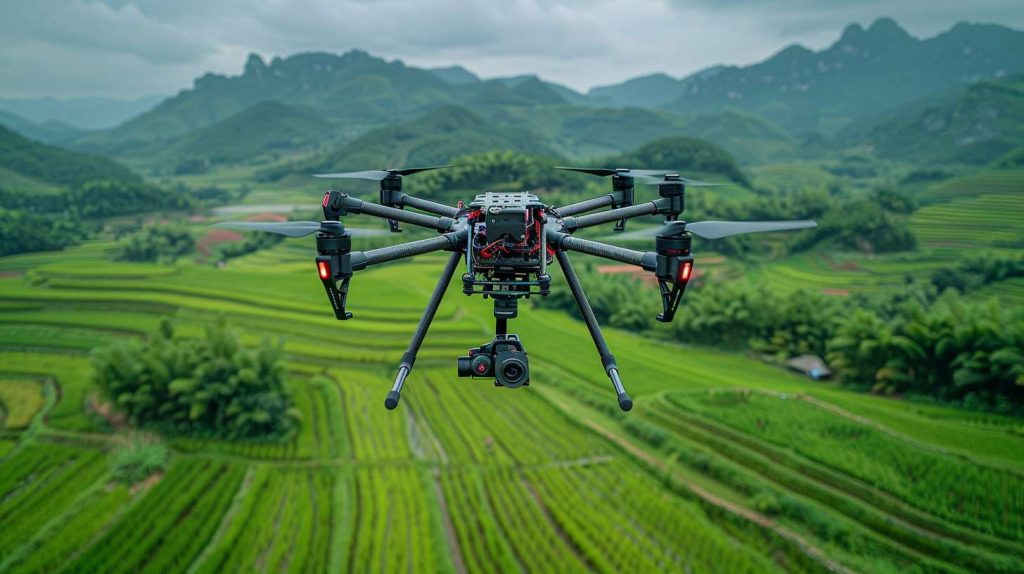
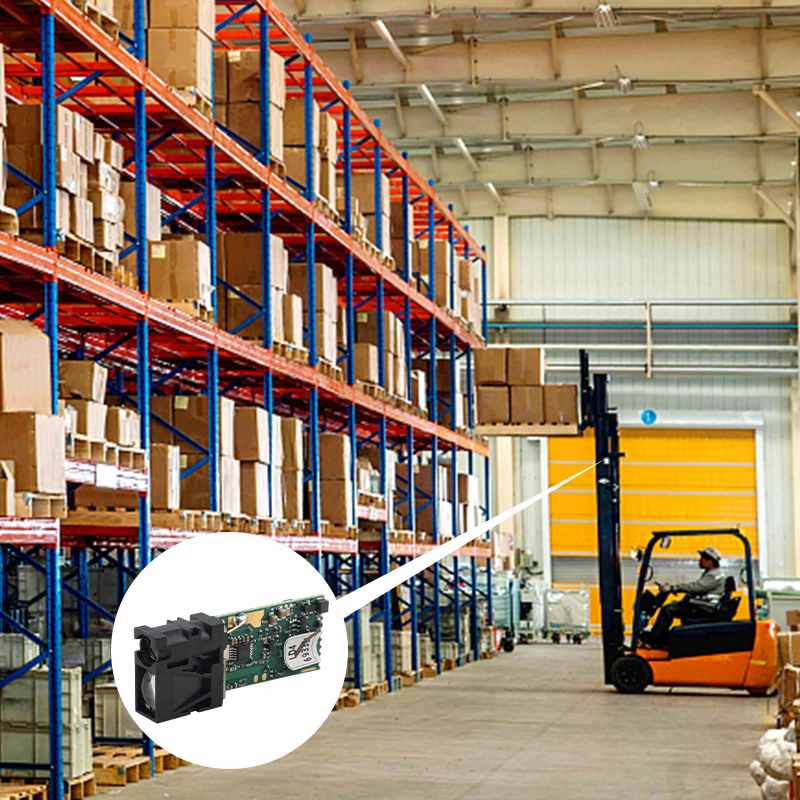 Arduino Distância do laser Sensores
4. Exemplos de integração: Arduino e Raspberry Pi
Tanto analógico como Sensores ToF funcionam bem com plataformas de desenvolvimento como o Arduino e o Raspberry Pi, embora a configuração seja diferente.
Exemplo de sensor analógico (Arduino)
int analogPin = A0;
void setup() {
  Serial.begin(9600);
}
void loop() {
  int val = analogRead(analogPin);
  tensão flutuante = val * (5.0 / 1023.0);
  Serial.println(tensão);
}
Exemplo de sensor ToF (VL53L0X com Raspberry Pi)
- Requer biblioteca:
python-vl53l0x
- Comunica através de I2C
Os exemplos da comunidade estão disponíveis nos fóruns do Raspberry Pi e no GitHub.
5. Considerações finais: Qual deve escolher?
A escolha entre sensores de distância analógicos e ToF é uma questão de precisão, custo e aplicação:
| Tipo de projeto | Sensor recomendado | Motivo |
|---|
| Robô de brinquedo | Analógico | Simples e económico |
| Evitar obstáculos com drones | ToF | Rápido e preciso |
| Automação da fábrica | ToF (RS485/CAN) | Transferência de dados fiável |
| Ferramenta de medição básica | Analógico | Necessidade de configuração mínima |
Ainda não tem a certeza? Saiba mais sobre protocolos de comunicação de sensores no nosso guia:
👉 Compreender os módulos de sensores de distância: Interfaces, protocolos e casos de utilização