In today’s fast-evolving world of измерение расстояния sensors, understanding the differences between ToF vs Phase Shift technologies is crucial for selecting the most suitable one for your application. Both offer high precision in distance measurement, but they excel in different contexts. In this article, we’ll explore the fundamentals of ToF and Phase Shift, compare their performances, and help you decide which technology is the best fit for your specific use case.
What is Time-of-Flight (ToF) Technology?
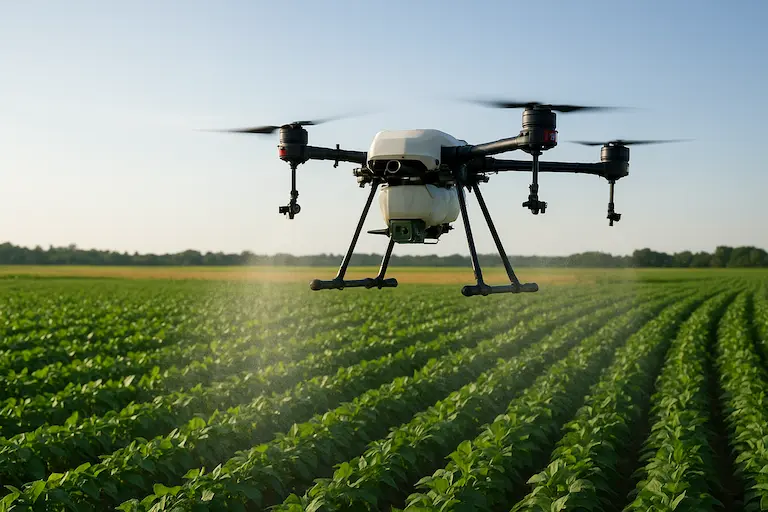
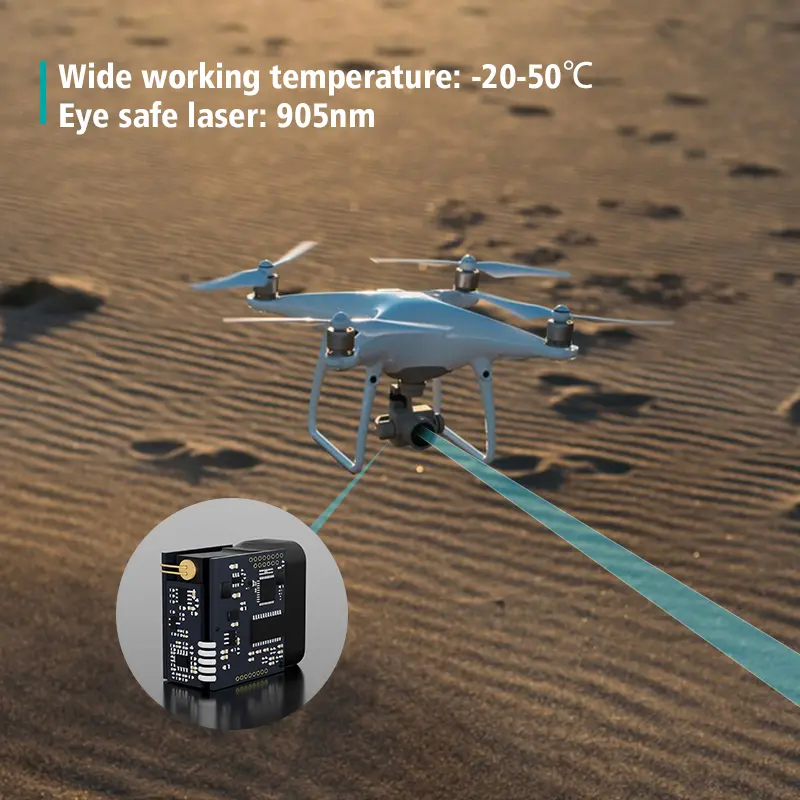
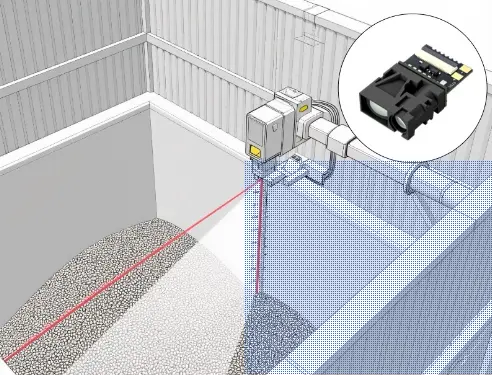
ToF vs Phase Shift: Точечные датчики measure the time it takes for a light signal to travel from the sensor to an object and back. This time measurement is then converted into a distance calculation. ToF technology is commonly used in applications where precise distance data is essential, such as autonomous vehicles, беспилотники, robotics, and industrial automation.
Key Features of ToF:
- Высокая точность: ToF sensors provide highly accurate distance readings over long ranges.
- Быстрое время отклика: Ideal for dynamic applications requiring rapid feedback.
- Длинная дистанция: ToF sensors можно operate at long distances, making them perfect for large-scale industrial and геодезическая съемка applications.
Applications of ToF Technology:
- Автономные транспортные средства: Accurate mapping and navigation in dynamic environments.
- Дроны: ToF sensors enable обход препятствий and precision landing.
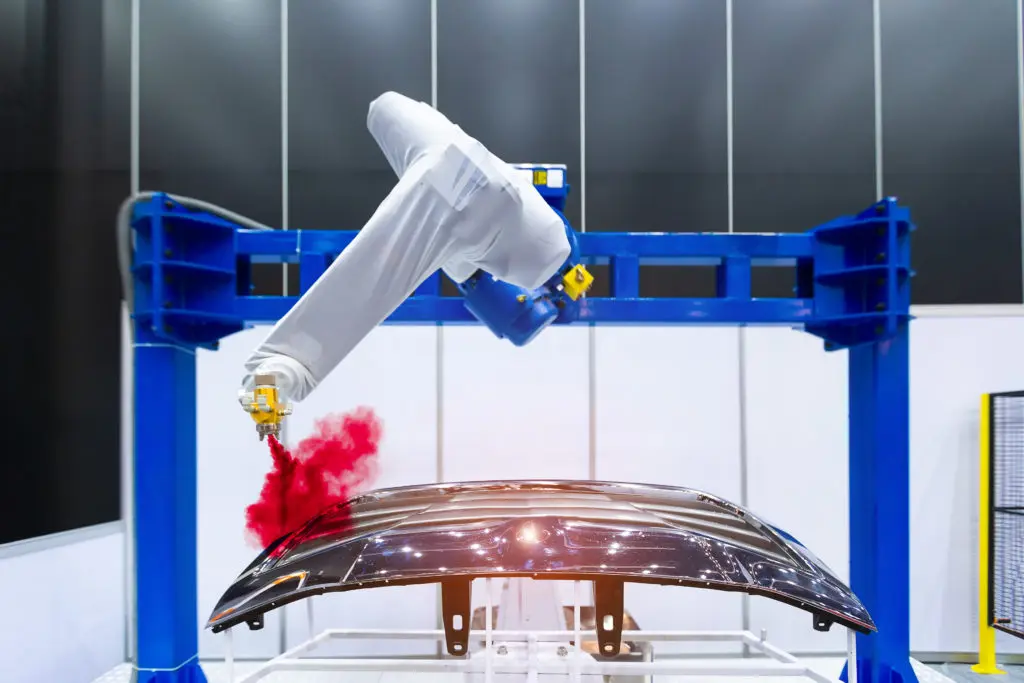
- Промышленная автоматизация: Measuring distances in assembly lines and robotics.
What is Phase Shift Technology?
In contrast to ToF vs Phase Shift, Phase Shift sensors measure the phase difference between the transmitted and received signal to calculate distance. By analyzing the shift in the signal’s phase, these sensors can determine how far an object is from the sensor, which makes them highly effective for short to medium-range applications.
Key Features of Phase Shift:
- Precise Measurements: Excellent for short to medium-range applications.
- Стабильная производительность: Works well in controlled environments, even under varying ambient light conditions.
- Компактный дизайн: Ideal for small, portable sensors, offering simplicity in design and integration.
Applications of Phase Shift Technology:
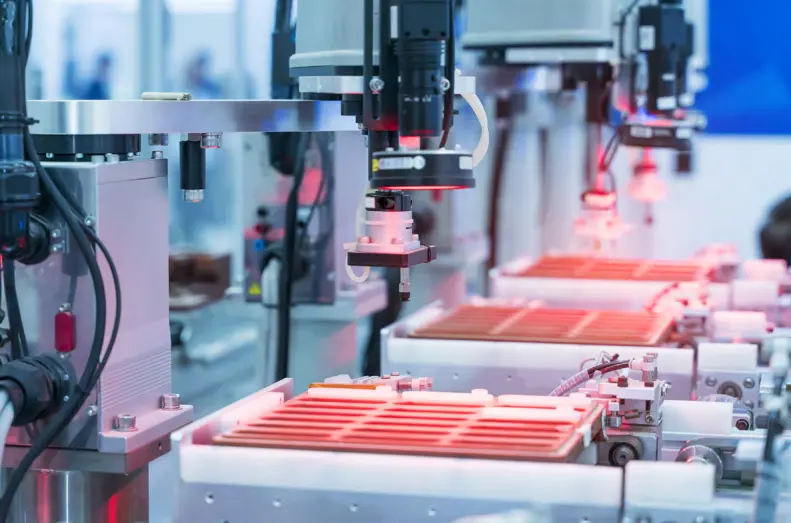
- Manufacturing: High-precision measurements in production lines.
- Бытовая электроника: Found in devices like smartphones and cameras for autofocus and gesture control.
- Medical Devices: Measurement of body parts and positioning.
ToF vs Phase Shift: A Detailed Comparison
| Характеристика | ToF (Время полета) | Фазовый сдвиг |
|---|
| Диапазон измерений | Long-range (up to 400m or more) | Short to medium-range (up to 200m) |
| Точность | High accuracy, ideal for precise measurements | Very accurate in controlled environments |
| Скорость | Fast response time, ideal for dynamic applications | Slightly slower response times |
| Environmental Adaptability | Works well in fluctuating lighting conditions, outdoors | Performs best in stable, controlled environments |
| Стоимость | Generally higher due to complexity | Cost-effective, simpler technology |
| Complexity | Requires advanced electronics and processing | Simpler design and easier integration |
Which Technology Fits Your Application: ToF vs Phase Shift?
Choose ToF Technology If:
- Your application requires long-range distance measurements for applications like surveying, robotics, or outdoor mapping.
- You need real-time distance data for dynamic systems such as autonomous vehicles, drones, or industrial automation.
- The environment involves varying light conditions or outdoor applications.
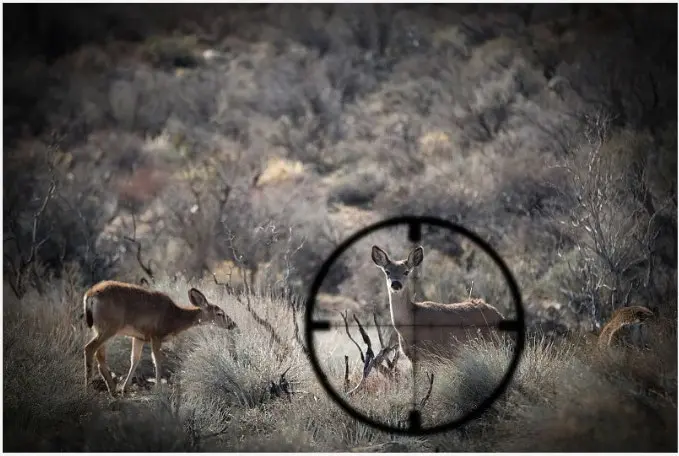 Охотничьи дальномеры
Choose Phase Shift Technology If:
- You need high-precision measurements in short to medium-range applications like consumer electronics, medical devices, or manufacturing.
- Cost-effective, compact sensors are required for space-sensitive environments.
- The application operates in controlled conditions such as laboratories or production facilities.
Conclusion: Understanding the Differences Between ToF and Phase Shift
When choosing between ToF vs Phase Shift technologies, it’s essential to consider your application’s specific needs. ToF technology excels in long-range measurements and dynamic environments, making it the ideal choice for autonomous systems and large-scale applications. On the other hand, Phase Shift technology is perfect for short-range, high-accuracy measurements in controlled spaces, offering a simpler, cost-effective solution.
На сайте Мескернел, we offer both ToF and Phase Shift sensor solutions designed to meet the unique needs of industries such as robotics, UAVs, industrial automation, and more. Whether you’re measuring long distances or require high precision in compact systems, we have the right technology for you.
Still unsure which technology to choose for your application? Свяжитесь с нами today for expert advice on selecting the right distance measurement technology for your needs. Our team of engineers is here to guide you through the selection process and provide tailored solutions.
FAQs: ToF vs Phase Shift Technologies
What is the difference between ToF and Phase Shift technologies?
The key difference between ToF (Time-of-Flight) and Phase Shift lies in how each technology measures distance. ToF sensors measure the time it takes for light to travel to the object and back, while Phase Shift sensors determine distance by analyzing the phase difference of a modulated signal.
ToF is ideal for long-range measurements and dynamic environments.
Фазовый сдвиг works best for short-range, high-accuracy applications in stable environments.
Which technology is better for long-range measurements, ToF or Phase Shift?
ToF (Time-of-Flight) technology is the better choice for long-range measurements. ToF sensors can accurately measure distances of up to 100 meters or more, making them suitable for large-scale applications such as autonomous vehicles, drones, and industrial surveying. In contrast, Фазовый сдвиг sensors are typically limited to shorter ranges (up to 10 meters).
Is ToF more accurate than Фазовый сдвиг for distance measurement?
Both technologies offer high accuracy, but the accuracy depends on the range and environment. ToF sensors excel in providing precise measurements over long distances in varying lighting conditions. However, for short-range applications where high precision in a controlled environment is needed, Фазовый сдвиг sensors are often the better choice due to their stable performance in stable conditions.
Which technology is more cost-effective: ToF или Фазовый сдвиг?
Фазовый сдвиг technology tends to be more cost-effective compared to ToF. This is due to the simpler design and fewer advanced electronics required for Phase Shift sensors. On the other hand, ToF sensors involve more complex processing systems, making them generally more expensive, especially for long-range applications.
Can I use ToF или Фазовый сдвиг technology in outdoor environments?
ToF technology is well-suited for outdoor applications. ToF sensors can function accurately in changing light conditions, making them ideal for applications such as drones, autonomous vehicles, and outdoor surveying. Фазовый сдвиг technology, however, is typically more effective in controlled environments such as indoor factories or laboratories, where ambient light does not fluctuate.
What are the main applications of ToF и Фазовый сдвиг technologies?
ToF is used in applications requiring long-range measurements, such as autonomous vehicles, drones, robotics, and industrial automation.
Фазовый сдвиг is ideal for short to medium-range applications like consumer electronics, medical devices, and manufacturing processes that require high-precision measurements.
How does the speed of measurement compare between ToF и Фазовый сдвиг sensors?
ToF sensors generally offer faster response times and are better suited for dynamic applications. This makes ToF ideal for environments where quick feedback is essential, such as autonomous vehicles and robotics. Фазовый сдвиг sensors are typically slower in comparison, but they are highly effective in stable, short-range applications.
Which technology is easier to integrate: ToF или Фазовый сдвиг?
Фазовый сдвиг sensors are typically easier to integrate due to their simpler design and lower cost. They are often used in small, compact sensors and are commonly found in consumer electronics and portable devices. In contrast, ToF sensors require more advanced processing and electronics, which can make integration more complex, particularly in long-range applications.
https://meskernel.net/how-does-tof-sensor-work/