Introduction: The Growing Role of Laser Sensors in Machine Safety
In today’s highly automated industries, Electro-Sensitive Protective Equipment (ESPE) plays a critical role in safeguarding personnel working around hazardous machines. Among the most advanced safety solutions, distancia láser sensors have become an increasingly popular component for area protection, intrusion detección, and machine perimeter monitoring.
But what makes these sensores láser para medición de la distancia a superior choice over traditional methods like infrared beams or light curtains?
Let’s explore the key reasons why more engineers are integrating medición láser de distancias sensors into ESPE systems.
Laser Distance Sensors vs Light Curtains & Infrared Beams
While light curtains and infrared beams have long been used in ESPE systems, they come with several limitations:
| Característica | Light Curtain / IR Beam | Láser Sensor de distancia |
|---|
| Rango de detección | Limited, often ≤10m | Up to 2000m (with long range sensor modules) |
| Precisión | Moderado | High accuracy distance measurement, ±1mm possible |
| Flexibility | Fixed sensing zones | Configurable scanning angles and distances |
| Blind Spots | More likely | Fewer blind spots with ToF laser range sensors |
| Salida de datos | Basic (on/off) | Rich data: analógico, digital, RS485, 4–20 mA, etc. |
Unlike traditional safety devices, laser distance detectors provide precise, non-contact distance measurement and real-time feedback, which makes them especially effective in complex and dynamic environments.
Speed and Accuracy: Key to Real-Time Protection
Thanks to Tiempo de vuelo (ToF) technology, sensores láser de distancia can detect objects or humans entering hazardous zones with millisecond-level response times. This fast response is critical in applications like:
- Automated stamping machines
- Robotic arms and conveyors
- Industrial cutting systems
Moreover, these óptico distance sensors deliver consistent results even in harsh lighting, dusty or reflective environments — making them ideal for factory floors.

 Telémetros de caza
Typical Use Cases for Laser-Based ESPE Systems
- Zone Protection and Access Control
Use laser distance scanners to create invisible protective barriers around high-risk zones. When any object breaches the perimeter, the system instantly triggers an alert or stops the machine.
- Proximity Detection for Mobile Equipment
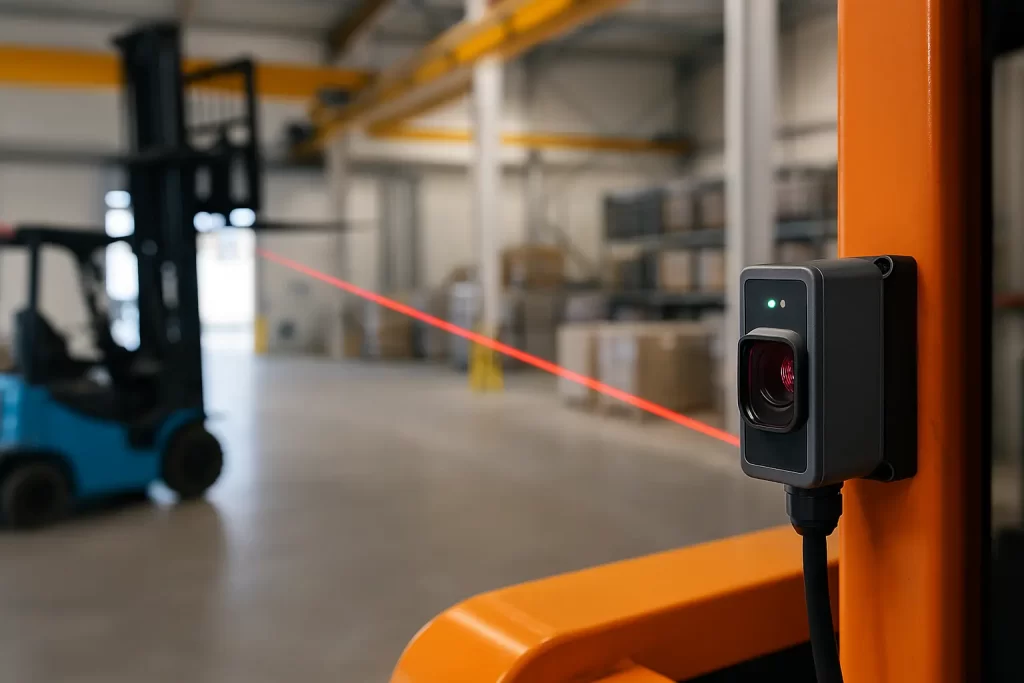
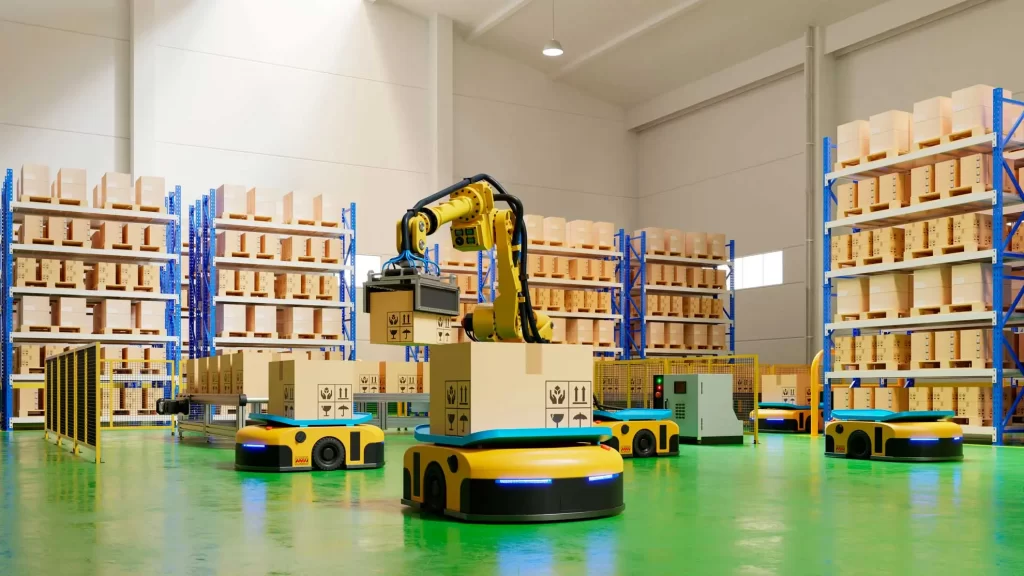
Forklifts and AGVs (Automated Guided Vehicles) equipped with laser measuring sensors can detect nearby obstacles and prevent collisions.
- Heavy Machinery Edge Protection
In areas where light curtains are too rigid or fragile, laser medidor de distancia sensors offer durable, long-range protection for equipment such as presses or CNC machines.
- Multi-Point Monitoring with a Single Device
Some laser distance measurement devices can scan across multiple zones, reducing the need for installing several light curtains.
Choosing the Right Laser Distance Sensor for ESPE
When selecting a laser sensor for ESPE systems, consider:
- Rango de medición: Short-range (0.1–10m) or long-range sensor modules (up to 2000m)
- Output interface: TTL, RS232, RS485, CAN, 4–20 mA, analog voltage
- Accuracy needs: Standard models for basic monitoring vs high-accuracy distance sensors for critical safety zones
- Laser Class: Always choose Class 1 laser products for human-safe operation
Final Thoughts: The Future of ESPE Lies in Laser Precision
From medición de distancias por láser sensors used in factory automation to ToF laser range sensors in smart logística, laser technology is redefining how we ensure safety in industrial settings. Their compact size, real-time response, and superior precision make them the preferred choice for modern ESPE systems.
✅ Looking for a reliable laser sensor for distance measurement?
Contact us now to get free technical consultation or request a custom module for your ESPE project.